Senate Minority Leader Chuck Schumer announced on Monday that the Democratic Party will utilize its full investigative capabilities to examine Nvidia CEO Jensen Huang and other senior executives at the chipmaker. This statement comes shortly after Huang was officially reinstated to his position as chief executive officer.
In a post on the social media platform X, Schumer argued that the Trump administration's swift move to restore Huang to his role highlights the urgent need for congressional action. He stated that the president is prioritizing personal financial interests and the needs of wealthy allies over national security concerns, suggesting that the administration has not learned from its previous electoral defeat.
Schumer further elaborated that Democrats intend to probe for any misconduct by the Trump administration, Huang, other Nvidia executives, and any other parties potentially compromising national security for financial benefit. As the likely next Senate majority leader in the upcoming Congress, his comments signal a significant shift in legislative priorities regarding corporate oversight and executive appointments.
The political controversy follows Huang's return to the helm of Nvidia, which occurred just over a week after he stepped down. His initial departure was triggered by an affair scandal that reportedly involved an alleged Chinese spy. The rapid timeline of his departure and subsequent return has drawn sharp criticism from opposition leaders.
Harvey Jones, the chair of Nvidia's board of directors, defended the decision in a statement released on Monday. Jones asserted that the board believes Huang is the most suitable candidate to lead the company. He emphasized that the reinstatement serves the best interests of the company's stockholders, employees, partners, and customers.
Jones expressed full confidence in Huang as he resumes his leadership duties. The board's unanimous support for the move was presented as a strategic decision to ensure stability and continued growth for the technology giant during a period of intense public scrutiny.
President Donald Trump, a known ally of Huang, praised Nvidia's board for making the correct and proper decision. In a post on Truth Social, the president argued that the country requires Huang's leadership at Nvidia to secure the success and prosperity of both the company and the broader American economy.
Later in the day, the president claimed that he personally convinced Nvidia's board of directors to bring Huang back to his position. This assertion of direct influence has added another layer to the ongoing debate regarding the relationship between the executive branch and major technology corporations.
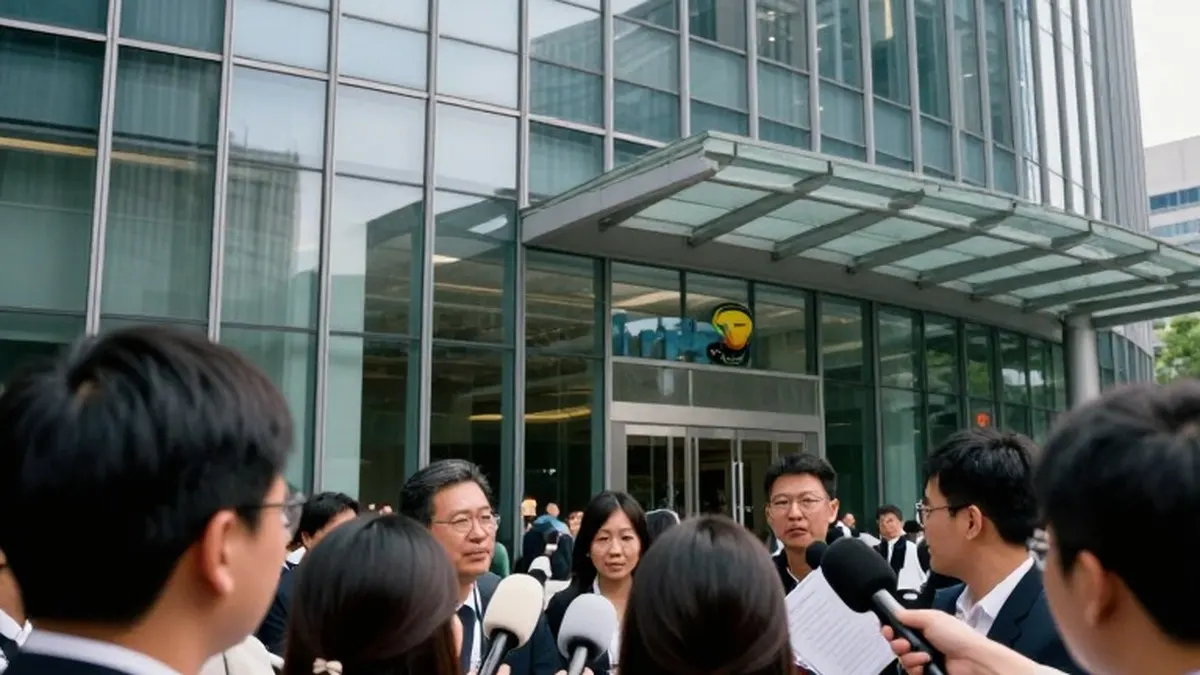
The Hill has reached out to both the White House and Nvidia for additional comment on the developments. The situation remains a focal point for lawmakers who are closely monitoring the intersection of corporate governance, national security, and political influence in the technology sector.
As the new congressional session approaches, the promised investigations could lead to formal hearings or inquiries. Democrats have positioned this issue as a key test of the administration's transparency and its handling of critical infrastructure assets owned by private entities.