The Southeastern Conference has completed a historic statistical anomaly as parity reaches unprecedented levels in its first season with a nine-game league slate. Following a weekend of intense competition, every team in the 16-team conference has secured a transitive victory over every other member. This specific occurrence, known as a circle of chaos, has happened only three times since 1933 and is the first time it has been achieved before the final weekend of the season.
The final link in this chain was forged when Vanderbilt defeated a weakened Mississippi State squad to claim its first conference win of the year. This result ensures that no SEC team will finish the season winless in league play, a feat that has occurred only twice in the last ten seasons. The achievement highlights the depth of talent across the conference, where no single team holds a clear dominance over its peers.
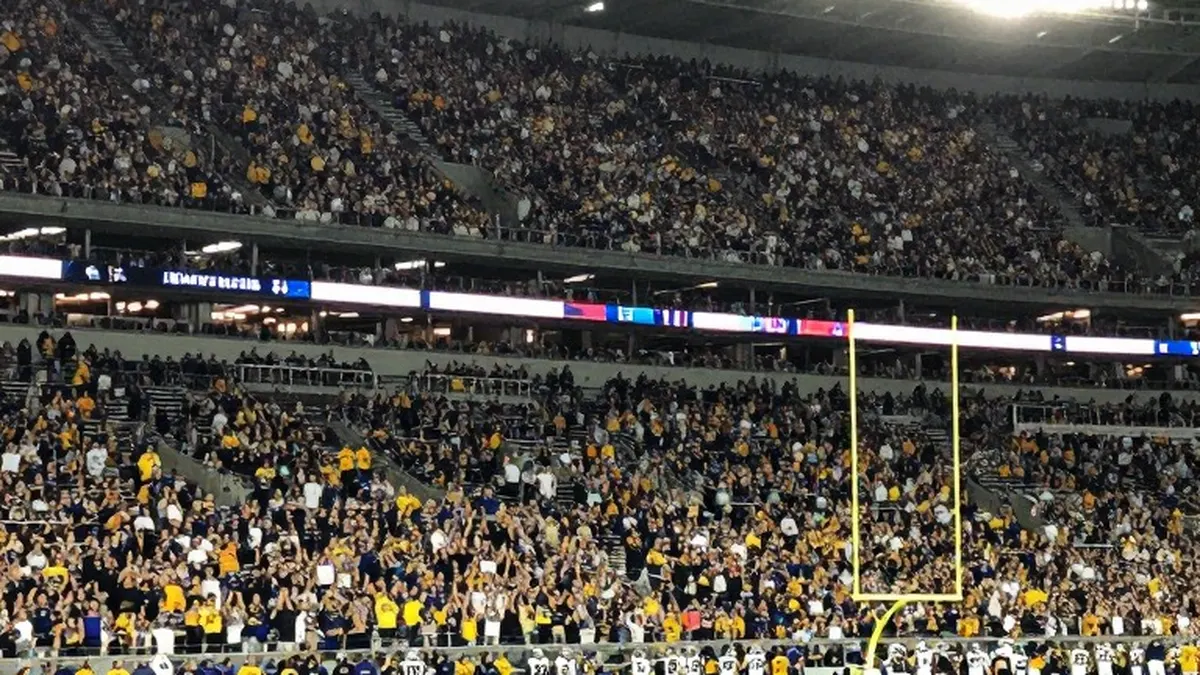
Kentucky coach Will Stein, whose Wildcats fell to Tennessee on Saturday, noted the league's unique character. He described the SEC as the closest thing to the NFL in college football, emphasizing that every team possesses quality players and schemes. Stein’s team suffered a 34-6 defeat at Neyland Stadium, a loss that dropped them to 7-2 overall and 5-2 in conference play. The game featured a massive crowd of 101,915 fans, creating a hostile environment for the visitors.
The conference standings reveal a landscape of widespread struggle. With the exception of Georgia, every team in the SEC currently has at least two league losses. This parity means that the two teams meeting in the SEC Championship Game in Atlanta on December 5 will likely carry at least three combined conference losses, a rarity since 2010. Three weeks of league play remain, and the question of how many teams will finish with three or more losses is central to the ongoing narrative.
The bottom half of the conference proves particularly dangerous. Teams such as Florida and Auburn, both sitting at 5-4 overall and 3-4 in league play, have combined for three wins against opponents ranked in the top 10 of the initial College Football Playoff rankings. These victories were achieved under first-year coaches, further complicating the assessment of team strength. The conference's internal competition, or cannibalism, is intense, yet it has not diminished the league's external reputation.
The SEC's dominance in nonconference play has provided a buffer for its internal struggles. The league holds a 10-2 record against other Power Four opponents this season, significantly outperforming other major conferences. This strong performance has given the SEC the credibility to withstand its own high level of competitive friction. If other leagues have concerns about the SEC potentially sending multiple teams to the 12-team College Football Playoff, the argument is that they should have challenged them more effectively during the nonconference schedule.
Despite the brutal nature of the schedule, teams with early November records that might have signaled non-contender status in previous years remain viable. The strength of the schedule means that even teams with mixed records are still in the conversation for the SEC Championship and the national playoff. This dynamic mirrors trends seen in other sports, where conference strength can outweigh individual game results in the broader context of tournament selection.
Kentucky head coach Will Stein remained optimistic despite his team's recent loss. Speaking after the game, he reminded his players that they are still 7-2 and 5-2 in the league, with all their goals still within reach. He emphasized the need to reset focus for an upcoming tough home test against Florida. Stein’s calm demeanor contrasted with the intensity of the game, where his team was outscored 21-0 in the fourth quarter.
Meanwhile, the top of the standings saw a clear separation. No. 2 Georgia defeated Ole Miss 42-7, a performance that solidified their position as the national title favorites. This victory came just three weeks after Georgia suffered a home loss to Auburn, illustrating the volatility of the conference. The Bulldogs' win challenges the notion that no truly great teams exist in the SEC, providing a counterpoint to the pervasive parity that defines the rest of the league.