Senate Republicans achieved a significant legislative victory on Thursday night by advancing a major bill aimed at overhauling the United States permitting system. The measure, known as the Bipartisan American Affordability and Jobs Act of 2026, passed with substantial bipartisan support after months of negotiation and revision.
The legislation seeks to accelerate the development of infrastructure and energy projects by streamlining environmental reviews and limiting legal challenges. It also aims to expand the electric grid and simplify the development process for various energy sources, including oil, gas, and renewable resources.
Shelley Moore Capito, a Republican from West Virginia and chair of the Senate Environment and Public Works Committee, described the bill as a crucial step toward improving efficiency. She noted that the package allows for faster project construction while maintaining strong environmental protections.
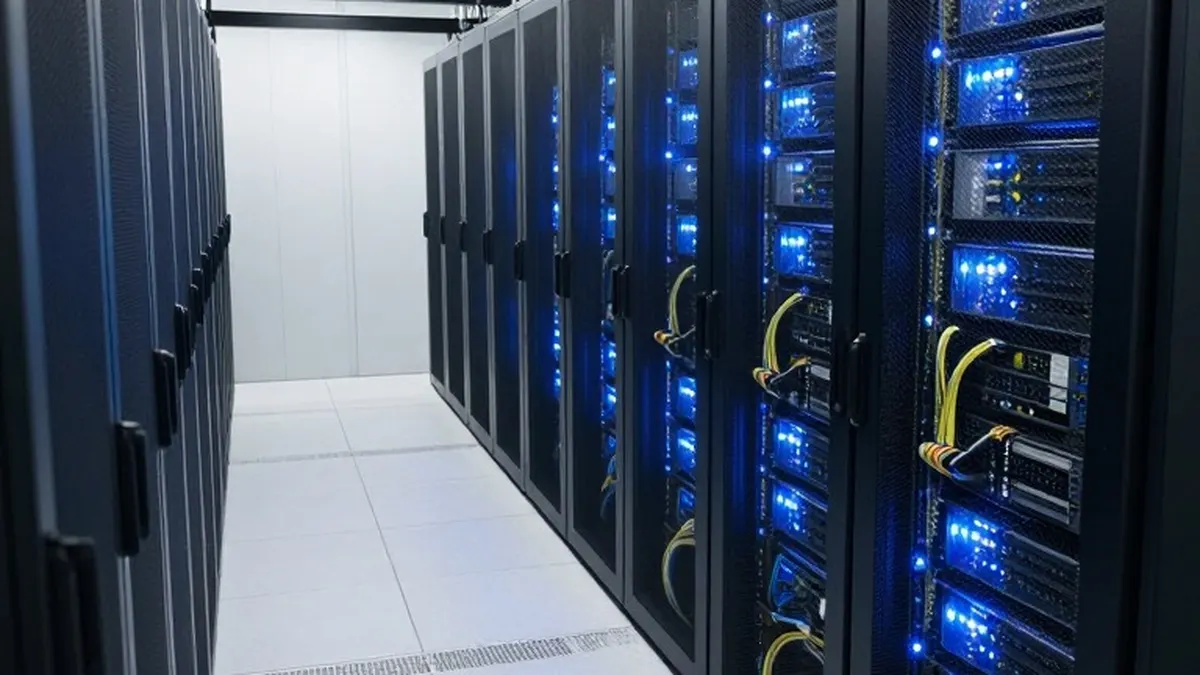
A central focus of the bill is the issue of data centers, a topic of significant concern for voters nationwide. The legislation includes provisions intended to shield ratepayers from increased electricity costs associated with the high power demands of these facilities.
Senator Martin Heinrich, a Democrat from New Mexico who served as the lead Democratic sponsor, advocated for stronger language to ensure that the costs of data center development are not passed on to general consumers. This effort follows previous attempts by Republicans to introduce similar safeguards, which Democrats criticized for lacking sufficient enforcement mechanisms.
Heinrich emphasized that the new rules would mandate that large power consumers, such as factories and data centers, bear the costs of their electricity usage. He stated that this approach would lead to responsible development, more jobs, and cheaper energy for American households.
Under the proposed rules, data centers with a power demand of at least 20 megawatts would be required to cover the costs of additional power needed for their operations. These facilities would also need to provide financial guarantees for the construction or upgrading of necessary infrastructure.
The bill further stipulates that if a data center leaves a region, it must pay for any unpaid infrastructure costs. It also allows states to impose higher rates on large load centers to help reduce bills for other customers and to attach specific conditions to power supply agreements.
Despite the Senate's progress, the bill's path through the House of Representatives remains uncertain. Senator Alan Armstrong, a Republican from Oklahoma who was appointed to the Senate earlier this year, expressed optimism about the support available in the lower chamber.
Armstrong, who has made permitting reform a primary policy focus, noted that much of the language in the bill originated from previous House work. However, he raised concerns about attendance in the House, stating that he hopes enough members will be present to secure the necessary votes for passage.