
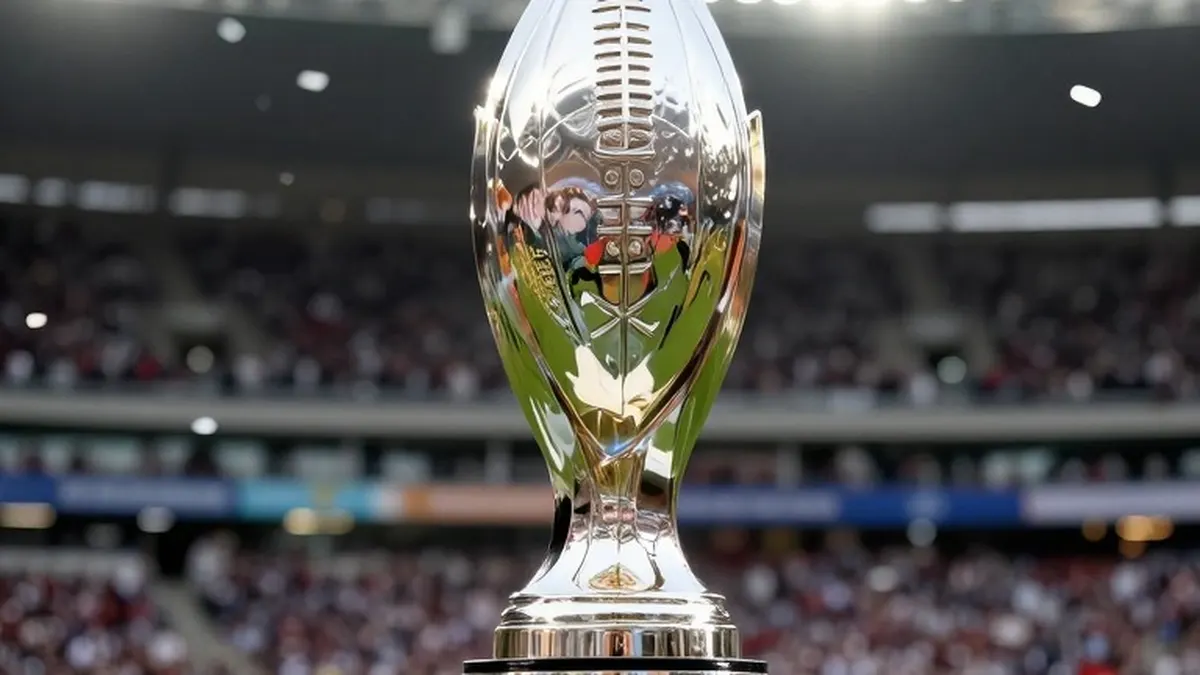
Senegal have been officially reinstated as the winners of the 2025 Africa Cup of Nations following a decisive ruling by the Court of Arbitration for Sport. The international sports court upheld the West African nation's appeal against a previous decision to strip them of the title, thereby ending a dispute that had persisted since the chaotic final held in January.
The title had been controversially awarded to Morocco by the Confederation of African Football just two months after the match concluded. CAF had declared that Senegal forfeited the game after their players walked off the pitch in protest against a penalty awarded to the Moroccan side. This administrative ruling had overturned the on-field result where Senegal had emerged as the 1-0 victors.
The CAS panel, which included French sports law expert Gerald Simon, Italian professor Luigi Fumagalli, and Ulrich Haas from the University of Zurich, reviewed the case and issued its verdict. According to CAS secretary general Matthieu Reeb, the panel found that the referee did not commit any error of law during the proceedings of the final.
The controversy began during the final match on January 18 in Rabat. Senegal players became enraged after a late penalty was granted to Morocco in the second half. The spot kick was awarded following a VAR review of a challenge by El Hadji Malick Diouf on Morocco forward Brahim Diaz. The Senegalese team had already protested an earlier disallowed goal for Ibrahim Sarr in stoppage time, which was ruled out for a foul.
Led by coach Pape Thiaw, the Senegalese players and coaching staff left the field before Diaz could take the penalty. Many observers believed the game might end there, but the team returned to the pitch after a delay of approximately 14 to 15 minutes. Upon resumption, Diaz missed the penalty kick, and the match proceeded to extra time.
In the additional time, Pape Gueye scored a stunning strike to settle the game 1-0 in favor of the Teranga Lions. This victory marked Senegal's second time as champions of Africa. However, the celebration in January was short-lived for the federation, as they soon found themselves in a legal battle to retain the trophy.
Senegal's football governing body described their legal action as a crusade against CAF's ruling. They argued that the decision undermined the fundamental principle that refereeing decisions are final and could reshape the world of football. Juan de Dios Crespo Perez, the lawyer representing Senegal, had previously criticized the initial CAF decision as crude, absurd, and irrational, stating it could not be considered a true sporting justice ruling.
The CAS ruling effectively reverses the 3-0 win officially recorded for Morocco by CAF. This outcome confirms that the on-field result stands, validating the goals scored and the events that occurred after the players returned to the pitch. The decision brings closure to a saga that saw the tournament's most significant match become the subject of intense legal and technical scrutiny.
For Senegal, the reinstatement restores the status quo of their victory, while Morocco must accept the loss of the title despite the administrative win they secured earlier in the year. The case highlights the complex intersection of on-field actions and off-field governance in modern international football.
The final decision by the highest court for sports-related disputes ensures that Senegal will be recognized as the 2025 AFCON champions in official records. This resolution allows both nations to move forward, with the legal ambiguity of the final match finally resolved in favor of the team that scored the winning goal in extra time.





