Senegal’s National Assembly rejected a revised budget bill on Tuesday, a move that has left the country’s new financial rescue package with the International Monetary Fund in a precarious position. The vote was taken by a parliament dominated by the opposition, which has long opposed the specific fiscal measures proposed by the government.
The legislative body voted to reject the key budget text, which was viewed as essential for restoring public finances. This rejection occurs as the West African nation works to finalize a bailout agreement with the IMF, a process that remains conditional on meeting certain economic criteria.
In September, Senegal announced that it had reached an agreement for a debt programme with the IMF worth $2.2 billion. The primary goal of this program is to stabilize the country’s public finances. However, the IMF has not yet formally announced the approval of its executive board, meaning the deal is not yet fully secured.
The Pastef party, which holds an overwhelming majority in the National Assembly, had previously signaled its intent to block the 2026 revised budget. The party’s rejection is part of a broader strategy to challenge the current administration’s economic policies and political direction.
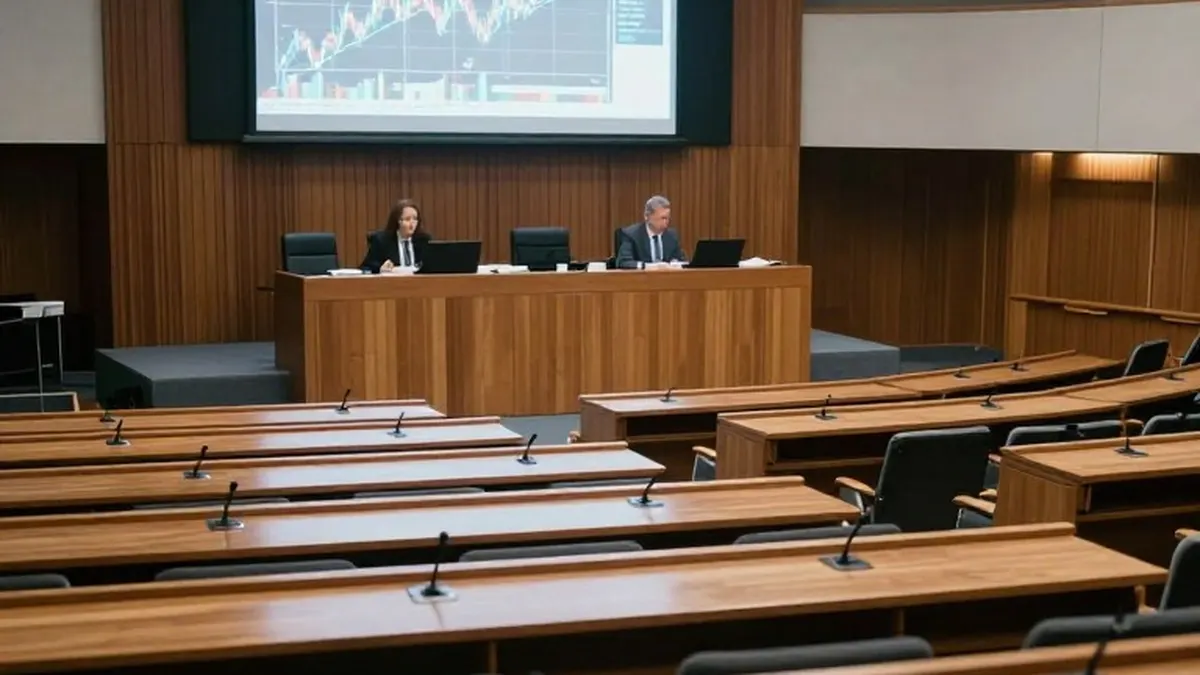
Following a morning debate, El Malick Ndiaye, the presiding lawmaker for the session, officially declared the bill rejected. The final tally showed 109 lawmakers voting against the measure, 20 voting in favor, and three abstaining. This decision follows a series of procedural hurdles, as parliament had already sent the bill back to committee one week prior.
The finance committee, which is controlled by the Pastef majority, had previously rejected the bill on two separate occasions. This consistent opposition from the committee paved the way for the final rejection on the floor of the National Assembly on Tuesday.
Ousmane Sonko, the charismatic leader of Pastef and the current speaker of the National Assembly, is at the center of this political standoff. Sonko, a former presidential candidate, is engaged in a significant political feud with President Bassirou Diomaye Faye. His party’s actions in the legislature are seen as a direct challenge to the president’s agenda.
The Ministry of the Economy responded to the rejection in a statement released on Saturday. The ministry noted that the decision came at a difficult time, characterized by severely limited room for maneuver, challenges in accessing financial markets, and ongoing negotiations with the IMF. These factors make the budget rejection a critical event for the nation’s economic stability.
A parliamentary document shared with news agencies outlined the specific pressures driving the revised budget. The bill aimed to account for a sharp increase in hydrocarbon prices, which was partly driven by tensions in the Middle East. It also addressed a decline in projected tax revenue resulting from a recent government recovery plan, as well as rising costs for servicing the national debt.
Finance Minister Cheikh Diba was present during the debate in the National Assembly. The session began at 10:00 am local time, which is also GMT. The outcome of this vote may influence the pace and terms of Senegal’s upcoming financial arrangements with international lenders.