Serbia’s criminal police directorate chief, Marko Kricak, was arrested on Sunday, November 1, on suspicion of abuse of office, alongside Bosko Sekulovic, the police commander responsible for fighting organised crime. The arrests came a week after legislative elections, but prosecutors denied that the action was connected to the result.
Belgrade’s chief prosecutor, Nenad Stefanovic, said Kricak, 42, and Sekulovic were suspected of abusing their positions and failing to perform their duties. He said their conduct had seriously harmed the rights of Veselin Milic, the former head of Belgrade’s police. The allegations emerged during an investigation into the killing of a suspected underworld figure at a restaurant in the capital in May.
Milic was arrested several days after that killing for failing to report the crime and helping the perpetrator. While in custody, he initiated legal proceedings against Kricak and Sekulovic, alleging that they had supplied prosecutors with evidence that was incomplete and false.
Kricak is regarded as a loyalist of defeated President Aleksandar Vucic. Student groups had accused him of brutality during the police response to demonstrations that contributed to the fall of Vucic’s governing right-wing party. In the week before the arrests, students called for Kricak and several other police and intelligence chiefs to be removed as part of broad reforms. The prosecutor’s office offered no connection between those demands and his arrest.
The Student List, a movement backed by students, secured a historic victory in the October 25 snap elections, bringing the Serbian Progressive Party’s 14 years in power to an end. Vucic had called the vote following almost two years of protests. Speaking to journalists, Stefanovic said the arrests were unrelated to the legislative election result.
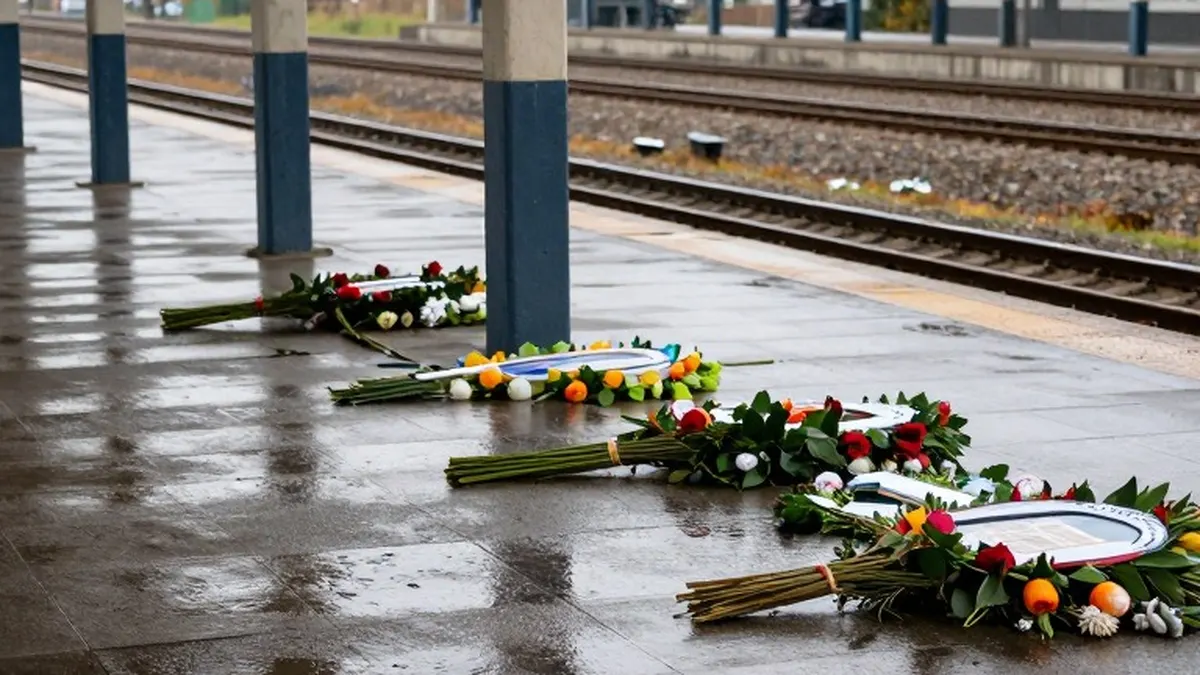
The arrests coincided with the second anniversary of the Novi Sad railway station disaster. Thousands assembled in the city on Sunday to remember the 16 people killed when a concrete canopy fell at the newly renovated station. Those gathered held 16 minutes of silence, one for each person who died, while students carried wreaths through the rain in a silent march.
Dijana Hrka, whose son Stefan died aged 27, told AFP that returning to the site was difficult. “I believe justice will be served,” she said. In a statement, students argued that describing the collapse as a tragedy risked concealing the question of responsibility by presenting it as an accident.
The collapse triggered Serbia’s largest protests since former President Slobodan Milosevic fell from power in 2000. Prime Minister Milos Vucevic resigned in January 2025. Vucic left the presidency in September to head his party’s electoral list, pardoning students and activists who had faced prosecution over the demonstrations.