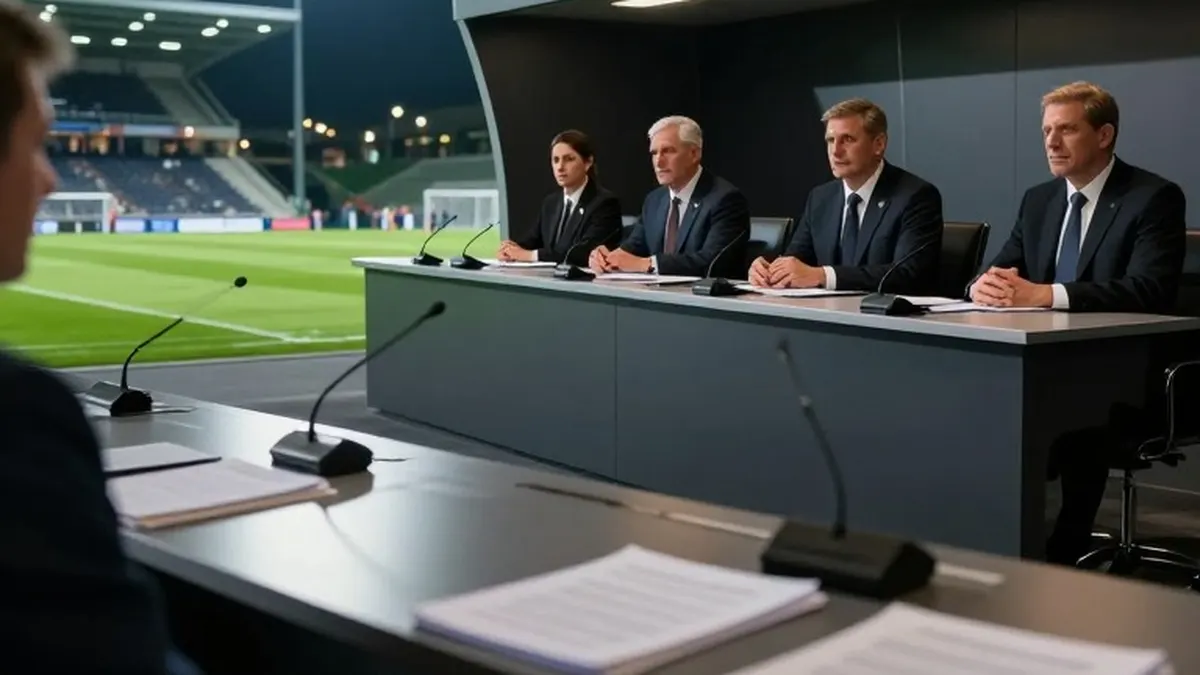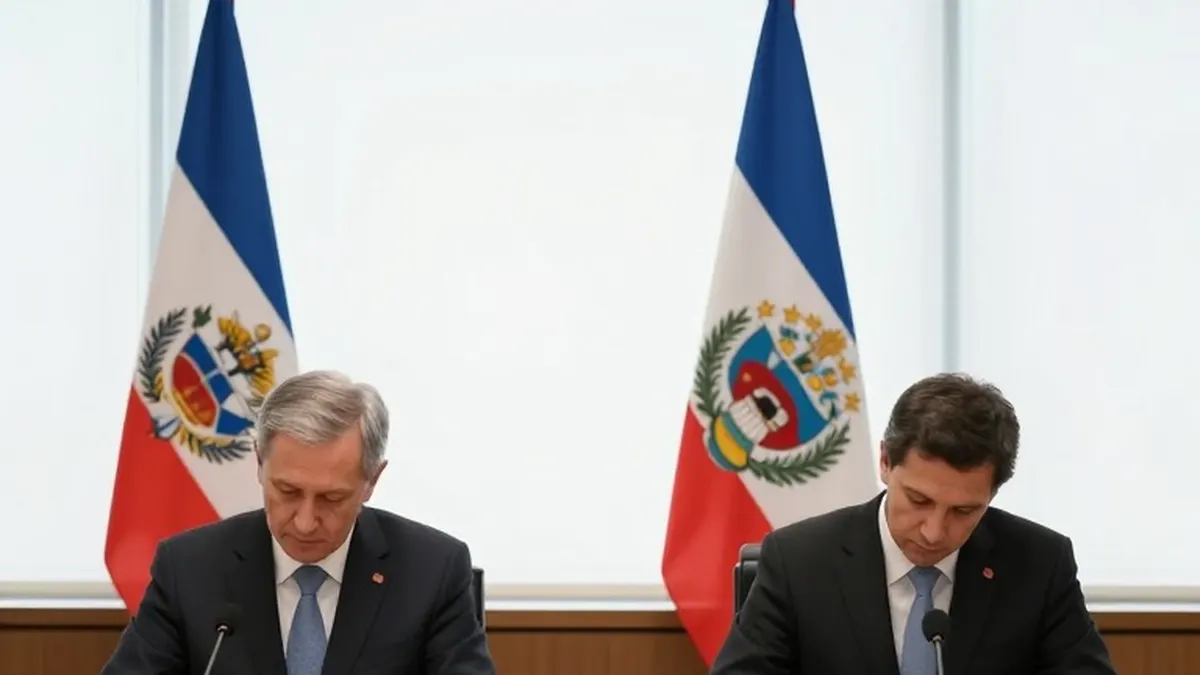
The Solomon Islands has formally signed a new security treaty with Australia, a move that follows reports that the Pacific nation has ended its controversial security pact with China. At a press conference held in Canberra on Wednesday, Australian Prime Minister Anthony Albanese and Solomon Islands Prime Minister Matthew Wale described the agreement as historic. They stated that the new framework would establish Australia as the preferred security partner for the Solomon Islands.
The previous security and policing agreement was signed with Beijing in 2022 under the leadership of Manasseh Sogavare, who is now the Opposition Leader. That deal raised concerns among regional observers and Western powers, including the United States, that it provided China with a critical military and strategic foothold in the Pacific. On Tuesday, Australian media reported that Honiara had informed Beijing that the pact, which is understood to expire in April 2027, would not be renewed.
Prime Minister Wale told reporters on Wednesday that ongoing discussions with China were taking place, but he noted that a non-disclosure agreement limited what he could say about the specific details of the terminated pact. He characterized the new treaty with Australia as a reset for the region, stating that the years of uncertainty and doubt surrounding the Solomon Islands' position were now over. Wale remarked that those days were done and gone.
Prime Minister Albanese emphasized that the treaty strengthens the security partnership between the two countries. He described supporting Pacific neighbors as an investment in Australia's own security and prosperity. Albanese assured that this support would be provided in a manner that fully respects the sovereignty of the Solomon Islands and its right to make independent decisions.
China's foreign ministry, through spokesman Guo Jiukan, did not confirm or deny the termination of the pact on Tuesday. He stated that cooperation between China and Pacific island nations, including the Solomon Islands, does not involve geopolitical rivalry or bloc confrontation. Although the original 2022 pact was never publicly released, leaked excerpts indicated that it granted China extensive involvement in security and policing, including the deployment of its own officers and the establishment of a quasi-military base.
Analysts have weighed in on the strategic implications of these changes. Dr Connor Graham, a research fellow at the Lowy Institute, called the original China pact a massive coup for Beijing, noting that its unprecedented scale alarmed the West and the Pacific. He described the new Australian treaty as an enormous win for Canberra, effectively closing the loop on a series of security deals signed in response to the Solomons-China pact. Graham told the BBC that the earlier agreement had put fear in the hearts of diplomats in Washington and Canberra.
William Yang, a senior analyst at the International Crisis Group, noted that the end of China's flagship Pacific deal reaffirms the region's longstanding consensus-based decision-making model in the security space. Under the new treaty, the Solomon Islands commits to consulting with Australia on critical infrastructure. It also agrees that any security cooperation will be conducted with members of the Pacific Islands Forum, a body in which China holds dialogue partner status but not full membership.
The agreement includes specific commitments regarding infrastructure. Honiara pledges that its sensitive infrastructure will remain free from militarization, foreign interference, or unauthorized access. The nation will also not permit its territory to be used for any foreign military or security base. In return, the Solomon Islands will receive support for its free education system and sports programs, improved visa arrangements, and assistance in expanding affordable and renewable energy infrastructure.
Earlier this week, the Australian Broadcasting Corporation reported that the package promised more than A$980 million in additional funding, citing leaked text messages. While the BBC has not independently verified these messages, the financial commitment highlights the scale of the new partnership. Prime Minister Wale visited Australia accompanied by two dozen members of parliament. Both leaders stated that the large delegation demonstrated strong parliamentary support for the treaty, particularly after years of political instability largely driven by disagreements over the country's relationship with China.