A run of mass shootings in three major South African cities has left 38 people dead over the past week, adding to concern about violence in a country already known for high crime.
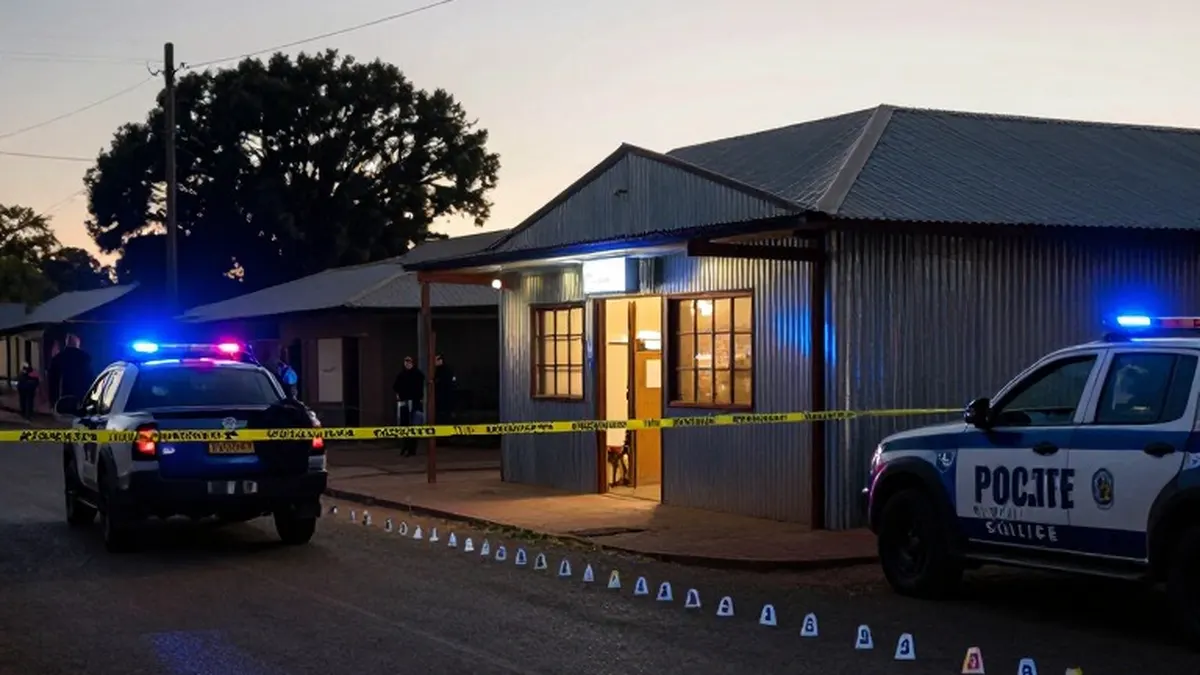
The most recent attacks took place on Saturday night. Police said at least 10 people were killed at a shisanyama, a local restaurant that sells barbecued meat, near Cape Town. Eleven others were wounded.
On the same night near Johannesburg, a group of men armed with AK-47s stormed a township tavern and killed 17 people. According to a police statement, the attackers "allegedly searched some patrons and took their cellphones before fleeing the scene in two unidentified motor vehicles." Two vehicles were also set on fire. Police have not given a motive for either attack.
Earlier in the week, multiple gunmen attacked a house party in the coastal city of Durban on Tuesday, killing 11 people, among them a pregnant woman. Police have not established a motive there either, though several people at the house were already known to authorities through investigations into criminal activity.
Illegal firearms are widespread in South Africa, and mass shootings are usually tied to gangs and organized crime. Some involve activities around illegal gold miners known as "zama-zamas." In June, gunmen stormed an informal settlement in Johannesburg, where residents live in tin shacks without running water or electricity, and killed 12 people. That attack was blamed on turf wars between zama-zamas.
NPR reporters at the scene of that shooting saw pools of blood beneath a snooker table in a makeshift bar cordoned off with police tape. Angela Mopayi, 54, described hiding from the gunfire. "I hid under my bed," she said. "I couldn't breathe, I couldn't do anything, I thought I was dying."
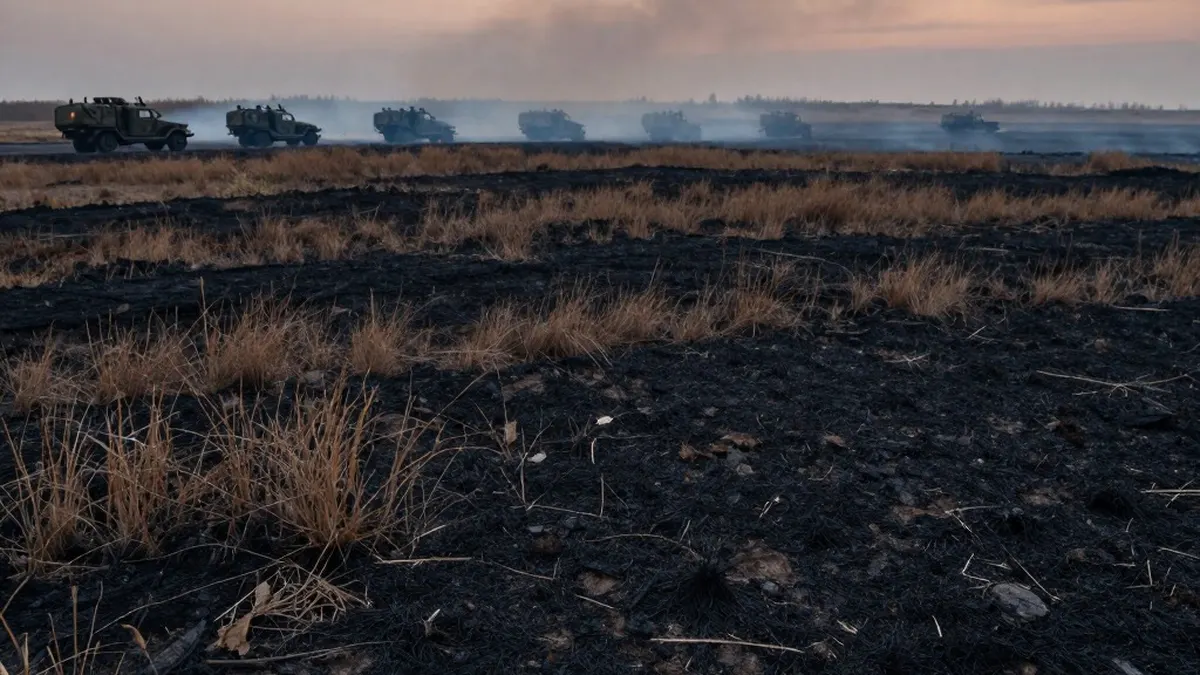
South Africa has one of the highest murder rates in the world, averaging 60 killings a day, yet the growing number of mass shootings has become a national crisis in its own right. President Cyril Ramaphosa has called organized crime "the most immediate threat to our democracy, our society and our economic development," and has sent the army into some of the hardest-hit areas.
President Trump has also spoken often about crime in South Africa since returning to office, focusing on the killings of white people on farms. Such murders do occur, but official statistics show that most crime victims are poor Black people, and many are women.
This month, South Africans have protested a series of brutal killings of women in Johannesburg. On Saturday, a tenth woman's body was found, despite police promises to step up action against gender-based violence. With local elections set for November, crime is expected to be a central issue for voters.