South Korea announced on Thursday that it will deploy maritime patrol aircraft and an explosive ordnance disposal team to waters near the Strait of Hormuz. The move is designed to help keep the critical waterway open for commercial traffic while ensuring the safety of energy supplies. The decision comes from the nation's defence ministry, which emphasized that the deployment is intended to protect economic interests rather than join the ongoing conflict between the United States and Iran.
The conflict, which began on February 28, has significantly disrupted shipping through the Strait of Hormuz. This narrow passage is a vital conduit for global energy, typically carrying approximately one fifth of the world's oil. By expanding its operational presence, Seoul aims to mitigate the impact of the war on international trade routes without committing ground forces or engaging in direct combat.
The government plans to extend the operational area of its Cheonghae anti-piracy naval unit. This unit is currently stationed in the Gulf of Aden off the coast of Somalia, where it protects commercial vessels. A defence ministry spokesperson confirmed that the Cheonghae unit will now also operate in the waters adjacent to the Strait of Hormuz. This extension will require approval from the South Korean parliament, as the unit's current authorization is set to expire at the end of this year.
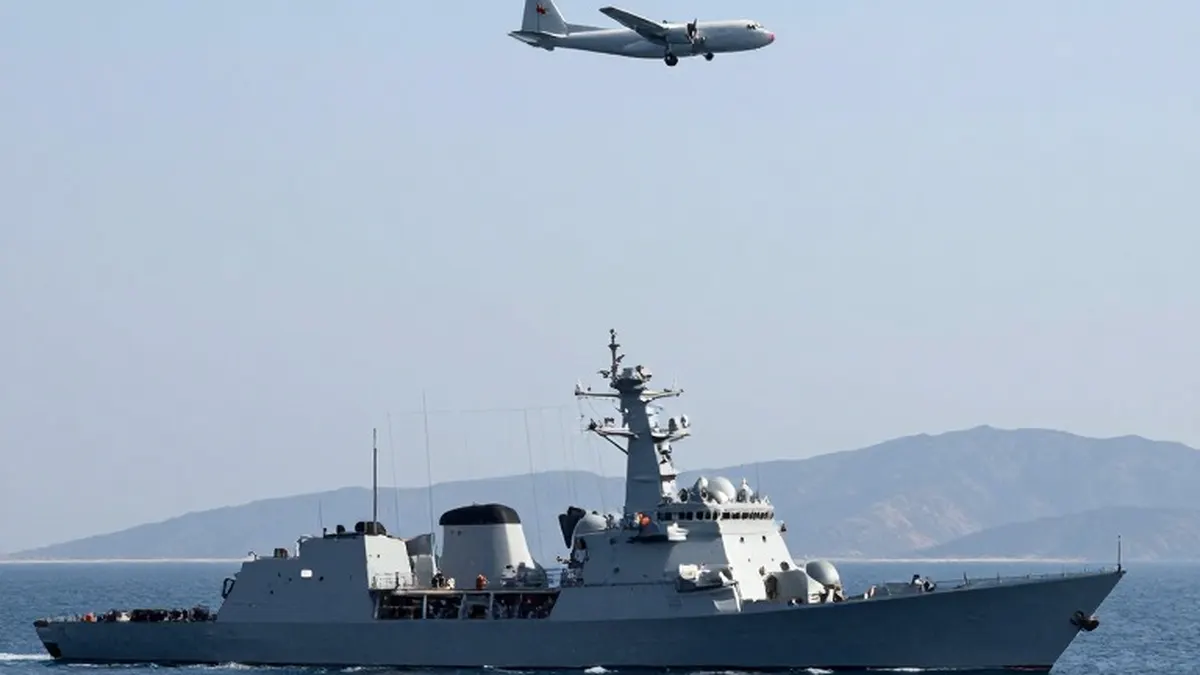
According to reports from the Yonhap News Agency, the deployment will involve a diverse range of military assets. The package includes a destroyer and a P-8 maritime patrol aircraft. Additionally, the mission will feature an explosive ordnance disposal team, unmanned surface vessels, and unmanned underwater vehicles. Remotely operated vehicles for underwater exploration will also be part of the contingent to ensure thorough monitoring of the sea floor and waterways.
A defence ministry official, speaking to reporters on condition of anonymity, stated that the primary goal is to protect South Korean citizens and safeguard the country's economic interests. The official clarified that the reinforcement is strictly for non-combat purposes. The Cheonghae unit will operate independently of allied forces, maintaining a distinct operational posture that avoids entanglement with other military coalitions in the region.
To further demonstrate its commitment to a limited role, the ministry outlined specific restrictions on its operations. The official noted that activities will remain confined to the open waters south of Oman. The maritime patrol aircraft are prohibited from targeting or monitoring Iranian territory, its territorial waters, or the interior of the Strait of Hormuz. These boundaries are intended to prevent any perception of military aggression toward Tehran.
President Lee Jae Myung has previously reinforced this diplomatic stance. In September, he reiterated that South Korea would avoid deploying troops in a manner that could lead to military intervention. He stated that the country has upheld the principle of non-involvement and non-intervention in the war until now and would continue to do so going forward. This consistent messaging aims to reassure both domestic and international partners of South Korea's cautious approach.
The deployment has not gone unnoticed by the parties involved in the conflict. Tehran has warned South Korea against such a move after Seoul indicated it was weighing a contribution to the security of the waterway. The Iranian capital views the expansion of foreign naval presence with scrutiny, given the strategic importance of the strait. South Korea's careful delineation of its mission parameters reflects an effort to balance security needs with diplomatic sensitivities in a volatile region.
As the war between the United States and Iran continues, the security of the Strait of Hormuz remains a top priority for global energy markets. South Korea's decision to send advanced surveillance and disposal assets signals a proactive step in securing trade lanes. The mission underscores the growing complexity of naval operations in the region, where protecting commercial assets requires sophisticated technology and precise coordination without triggering broader military engagements.
The upcoming parliamentary approval process will be the next key step for the South Korean government. Once authorized, the Cheonghae unit will begin its extended operations, adding a new layer of security to one of the world's most important maritime chokepoints. The outcome of this mission will likely influence future international strategies for managing shipping risks in the Middle East during periods of geopolitical tension.