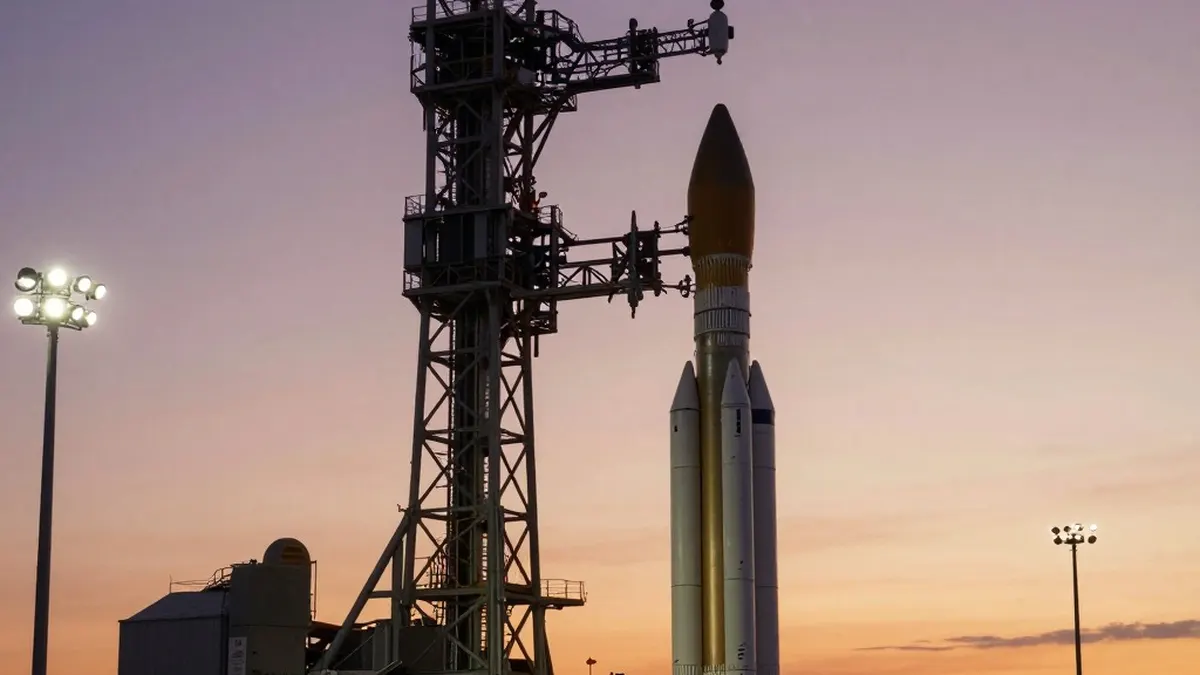
SpaceX has set November as the launch window for the 15th test flight of its Starship rocket, and the company is planning its most ambitious objective yet for the program: catching the Ship upper stage for the first time.
Chief executive Elon Musk gave the timing during SpaceX's earnings call on October 20. He said the flight would attempt something never done before, which could make it the most groundbreaking mission in Starship's history.
The central goal is a dual catch, in which both the Ship and the Super Heavy booster are caught by the arms, known as chopsticks, on the launch tower. SpaceX has already caught a Super Heavy booster in the past, but it has never reused a Ship after launch. The company shared an animation of the planned Ship catch around the time of the call.
Musk described the aim in sweeping terms. He said it would be "the first time that an orbital launch vehicle has been fully recovered" and called it a "profound technology milestone."
He also put the chances of a successful first Ship catch at "more likely than not". Even so, SpaceX is prepared to try again if the first attempt falls short, he indicated, with more flights planned to follow.
Musk said Starship is expected to fly a "steady stream" of missions, and that the pace would pick up considerably in 2027. SpaceX intends to target weekly flights in the first half of that year and twice-weekly flights by the end of it.
Flight 15 follows Flight 14, which launched in late September and was Starship's first orbital mission. That flight deployed 26 Starlink V3 satellites and brought both stages down in controlled ocean splashdowns. It also revealed more about the challenges the program may face as it moves ahead.
With the orbital debut behind it and a catch attempt on the schedule, the Starship program is advancing on several fronts at once. The November flight will test whether SpaceX can recover the entire vehicle rather than only the booster.