Spain's transport minister, Oscar Puente, has said he will step down after two fatal train crashes occurred in the country within less than a year.
Puente said he had taken the decision "in the very first minutes" after the latest crash on 28 October, which killed 69 people. He explained that he had continued in the job in order to address the consequences of the disaster and to work on preventing future accidents. He has not specified when his resignation will take effect.
"A transport minister in a country like Spain cannot continue in office with two accidents of this severity in less than a year, however different they may be and whether or not he bears direct responsibility for them," Puente said. "It is a matter of political dignity, consistency and empathy with the victims."
Prime Minister Pedro Sanchez responded in a post on X, writing: "Oscar Puente has stood up, offered solutions and then stepped aside. Out of dignity. Of his own accord. Out of respect for the victims and the progressive cause. Politicians like him bring honour to our country and show us that we are not all the same."
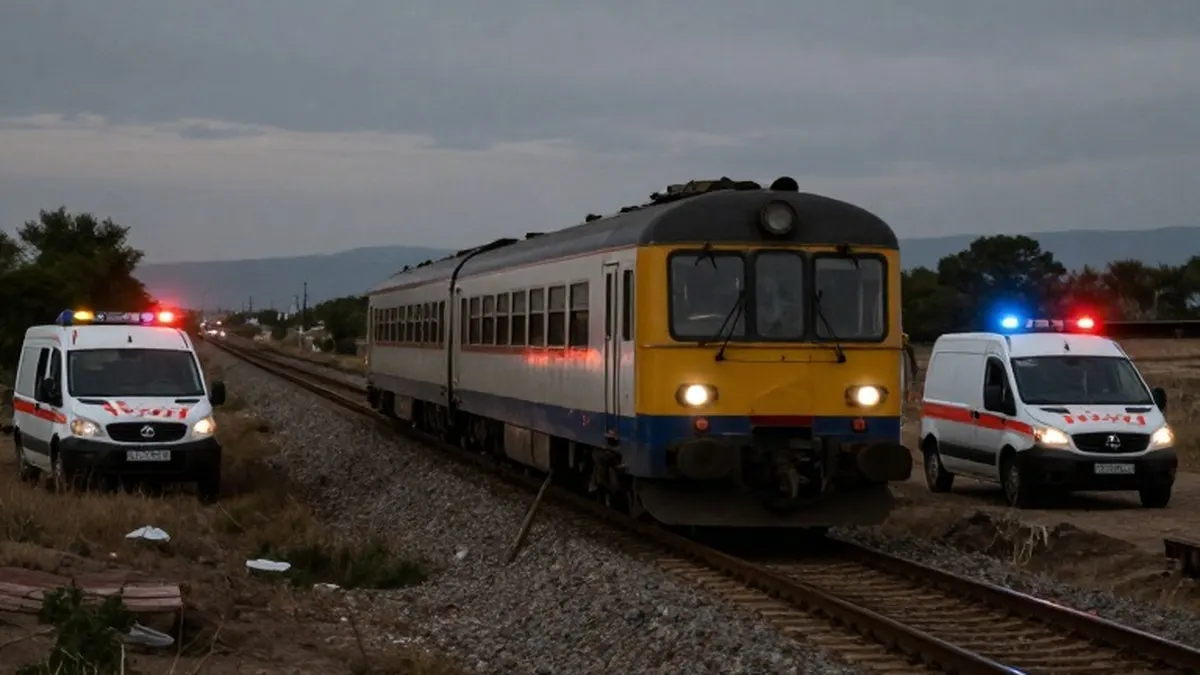
The October collision happened near the town of Urda in central Spain. Several trains had been stopped automatically because of a signalling system failure. The central control centre in Madrid then took over operations, and a train run by state-owned operator Renfe was allowed to proceed even though another stationary train was on the tracks ahead.
Following the crash, rail unions demanded Puente's immediate dismissal, and lawmakers criticised him for attributing blame to a break in protocol by control centre operators.
It was the second major incident on the Madrid to Seville line this year. In January, 46 people were killed when a train derailed and struck another travelling in the opposite direction.
Separately, on Tuesday afternoon three railcars collided with a locomotive in Martorell, near Barcelona, leaving a train driver injured.
Spain's railway unions have also announced a strike for 17 November over railway safety.