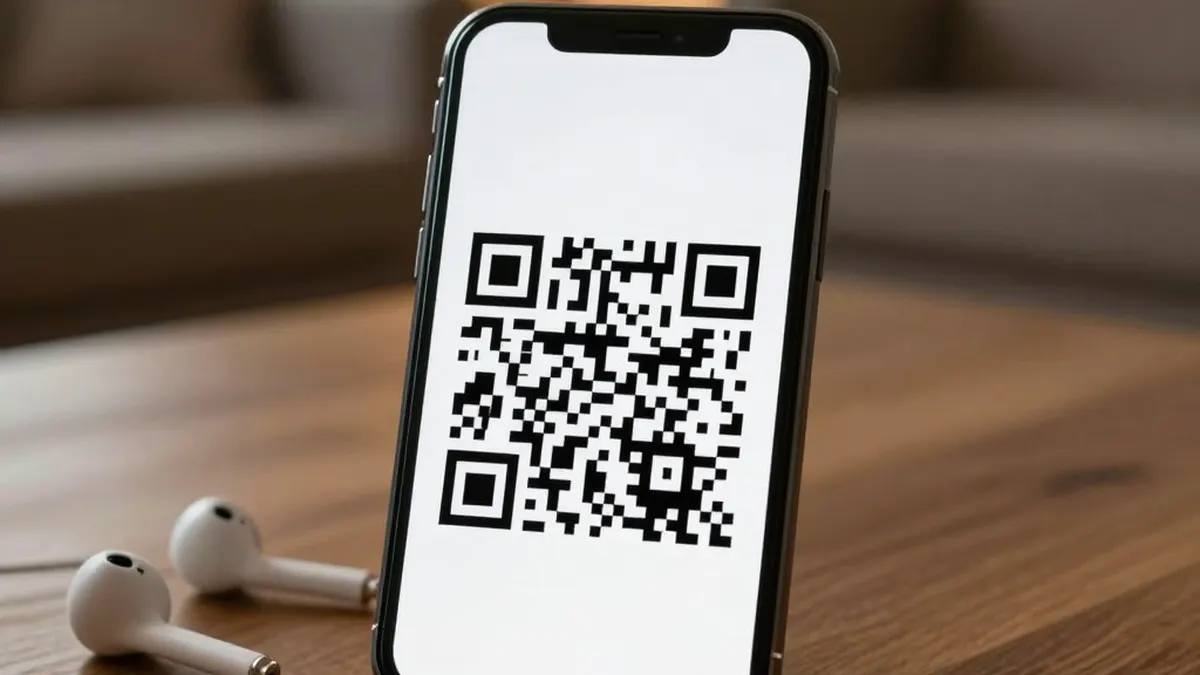
Spotify has begun asking certain Premium Family subscribers to show they live at the same address as the person who manages the plan. The company is using a QR code verification system to do so, according to a report from Engadget.
Details appear on a Spotify support page. The service says it may send a member a notification asking them to scan a code to confirm they live with the plan's manager. Once the request arrives, the member has seven days to finish the scan.
Those who miss the deadline may be locked out of the plan. They would also be barred from joining another Family or Duo plan for a full year. The alternative is to sign up for an individual Premium plan, which costs $13 a month. A Family plan, which covers up to six accounts, costs $22 a month.
The move fits a broader pattern among streaming companies, which have long been aware that subscribers share accounts and have taken steps in recent years to limit the practice. Those steps include launching family plans, with even Strava now offering one, and charging extra fees to people who do not live with the primary account holder.
Spotify has also tried to head off simple workarounds. Users might be tempted to send a screenshot of the code to a family member living elsewhere, but Reddit users claimed the codes refresh every few seconds. Some of those users suggested they had still been able to complete scans remotely by using video calls on additional devices.
Not every subscriber has welcomed the change. Spotify, however, says it is simply enforcing rules that already exist. Co-CEO Alex Norström addressed the matter on an earnings call on Thursday.
"This is not as much a crackdown as it is actually a routine improvement of our verification methods for our Family Plan," Norström said, as noted by 9to5Google. He pointed out that the Family Plan has been around for close to 12 or 13 years and makes up "a pretty significant proportion of our subscriber base."
Because of that, Norström said, it is important to keep improving verification over time. He acknowledged that there are "certainly ways, over time, to find holes around it," and said the company will respond to those as they emerge.
He added that the effort has no end date. "This is not an implementation that is going to complete," Norström said. "This is just ongoing routine."