Streaming services are aggressively adopting short form video formats as they attempt to compete with major social media platforms for consumer attention. At its first employee town hall following the acquisition of Warner Bros. Discovery in October, Skydance CEO David Ellison described the competition as intense, noting that the company is vying for viewer time against the world's largest technology firms. Ellison previously identified a feed of short vertical videos as a critical element for the future of Paramount Plus.
Despite this strategic focus, the effectiveness of these new features remains unproven. During an earnings call on Monday, Ellison acknowledged that even when combining all broadcast, cable, and streaming properties from Paramount and Warner Bros. Discovery, the group still trails YouTube in US television watch time according to Nielsen data. While Ellison reported that Paramount Plus engagement had increased by more than 20 percent since Skydance's acquisition of Paramount last year, he did not provide specific performance metrics for the clips feed.
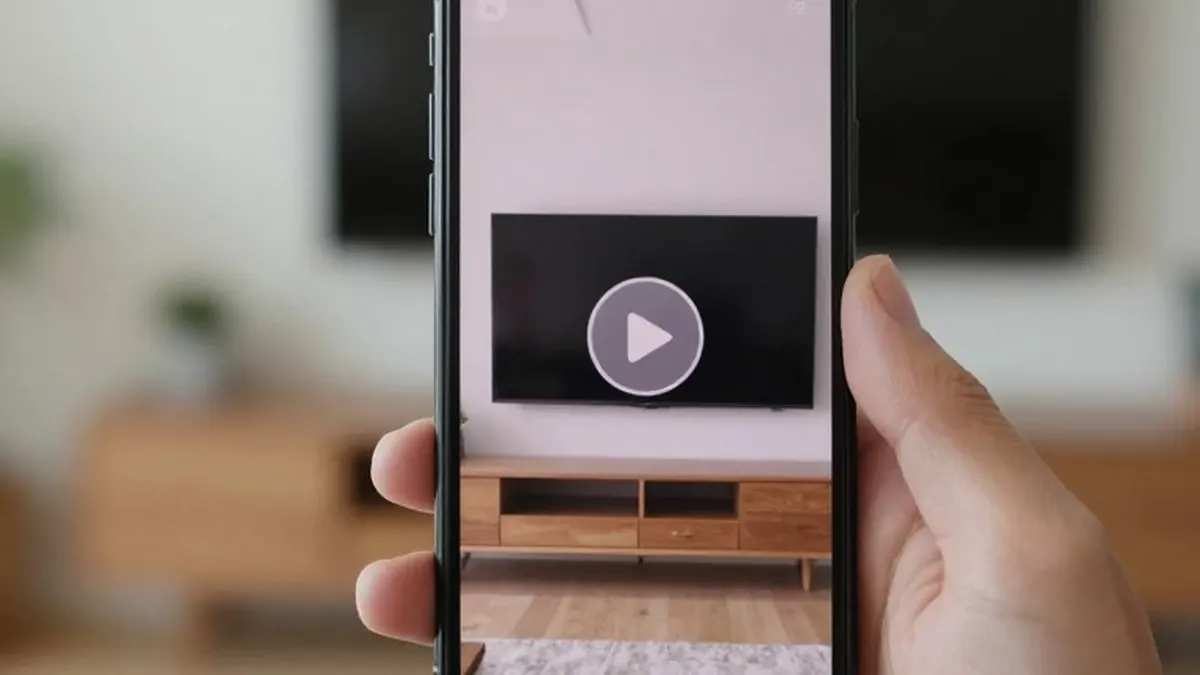
Over the past year, Disney Plus, Paramount Plus, Netflix, and HBO Max have all introduced swipeable feeds of short videos within their mobile applications. The strategy is designed to help subscribers discover new shows through key scenes and to encourage app usage during brief moments of free time. The underlying goal is to make the subscription feel more valuable, yet streamers have shared limited information regarding whether these feeds are successfully driving retention.
YouTube currently holds a dominant position in video consumption. Nielsen data shows that the platform accounted for a record 15.8 percent of viewing on US TV sets in August. Ross Benes, a senior analyst at eMarketer, notes that YouTube also leads in mobile video viewing time, competing directly with TikTok and Instagram. The firm estimates that US adults spend slightly more than an hour and a half per day watching video on mobile devices, a figure that includes simultaneous viewing on phones and connected TVs.
Disney Plus has seen significant engagement with its Verts feed, which launched in March. By October, approximately 43 percent of mobile users had interacted with the feature, which allows viewers to swipe through scenes and jump directly into titles. Disney has not disclosed whether Verts leads to increased viewing or longer subscriptions. In a direct move to compete with social video, Disney announced a US pilot with TikTok in August to bring creator made clips into Verts. CEO Josh D'Amaro described the partnership as a way to make the app stickier, benefiting the broader ecosystem. An internal roadmap targets early 2027 for the addition of more creator content, including sports and news clips.
Paramount is also expanding beyond its internal catalog. After adding a clips feed to Paramount Plus in April, the company explored user generated video for a potential free tier by September. Ellison stated on a May earnings call that viewers were moving from clips to news, sports, and entertainment, though he did not specify the frequency of this behavior.
HBO Max began testing a Shorts feature with select US iPhone users in July, allowing users to jump from a clip to a full title. Skydance's third quarter results excluded HBO Max because the quarter ended six days before the Warner Bros. Discovery deal closed. The company provided no usage figures for either feed during its November call.
Netflix has taken a more cautious public stance. Jefferies estimates that average monthly viewing per member dropped from 66 hours in the first half of 2023 to 49 hours in the first half of 2026. Co CEO Ted Sarandos downplayed the role of short form video during an October earnings call, noting that the core entertainment business still accounts for roughly 95 percent of spending. Netflix plans to introduce themed Clips feeds in 2027 but has not confirmed whether the feature drives increased viewing.
Monetizing these feeds presents distinct challenges. Benes points out that mobile ads generally fetch less revenue than TV ads, and short clips offer less room for ad breaks than full episodes. He views the feeds as a way to keep users scrolling on their phones while the TV is on. Ultimately, streamers may be borrowing TikTok's effective browsing methods to support a business model that still relies on viewers settling in for long form content.