Thousands of Minnesotans are preparing for what union organizers and faith leaders have named A Day of Truth and Freedom, set for Friday. The action is designed as an economic blackout to protest the arrival of large numbers of ICE agents in the state. Participants are being asked to stay away from work and school and to avoid spending money.
General strikes tied to labor disputes have happened in the United States before, but a widespread action centered on a social issue is far less common. Some businesses have joined in, including many of the roughly 2,000 that operate along Lake Street in Minneapolis.
Theresa Swaney, director of operations at the Lake Street Council, spoke with MPR News host Nina Moini about what to expect on the corridor. She said opinions among business owners vary, which she attributed to the range of businesses on the street, from small shops run by a single owner to large corporations. Still, she said, she sees a good deal of solidarity.
According to Swaney, many businesses that are able to stay open now plan to close Friday to stand with immigrant-owned businesses that have been shut for more than a month. They hope a small loss of revenue now could lead to a greater good later. Others plan to close only in the afternoon, opening in the morning and reopening after the evening march.
Swaney said businesses along the corridor have found different ways to help. Some are donating their sales or running buy one, get one programs. Others plan to stay open to support protesters. In her view, everyone is trying to find their own role in this moment.
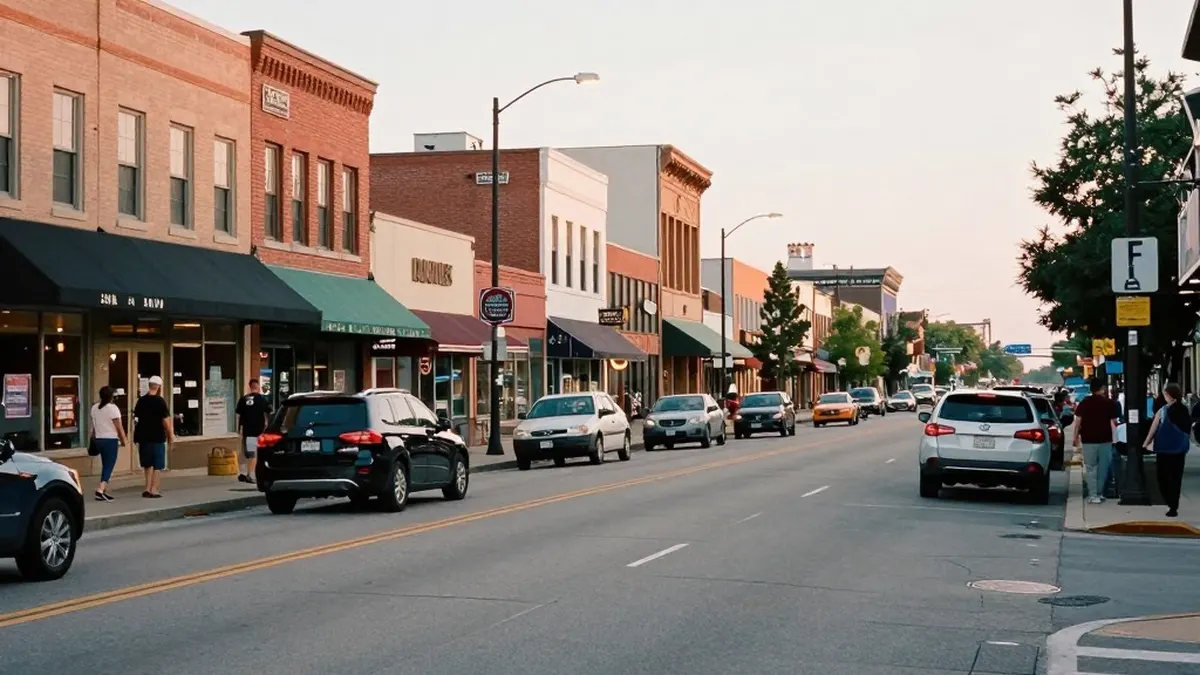
Lake Street is a 6-mile commercial corridor in South Minneapolis, home to Somali and East African restaurants, Latino grocery stores and bakeries. Swaney called it the cultural heart of the Twin Cities. She acknowledged that the area has struggled since the unrest of 2020, but said there was some optimism last year, when the council worked on public art, murals, business support and events.
That progress, she said, has been undone by the federal operation, which she described as setting the area back years. Many businesses cannot pay rent because they are closed entirely, their employees are at home, and fear of the operation is widespread. She urged people across the metro area to visit the businesses that remain open.
The council is also working with other business organizations on the corridor to push for state funding when the legislature convenes in February.
As for Friday, Swaney expects Lake Street to look much as it has for the past month. She predicted most businesses will be closed or temporarily closed, with many messages of support for the community and calls for the violence and aggression to stop and for ICE to leave Minnesota.