A federal judge in Detroit has ordered that Weiheng Zeng, a Chinese citizen and undergraduate student at the University of Waterloo in Ontario, remain in detention while awaiting trial. Magistrate Judge Kimberly Altman denied the motion filed by Zeng's legal team, who had requested that he be released to Canada as his case progresses.
Zeng was indicted earlier this month on a single count of making false statements to a government agency. Although he is not explicitly charged with the act of taking photographs of planes, prosecutors allege that he engaged in surveillance activities and subsequently misled U.S. officials about his intentions and actions.
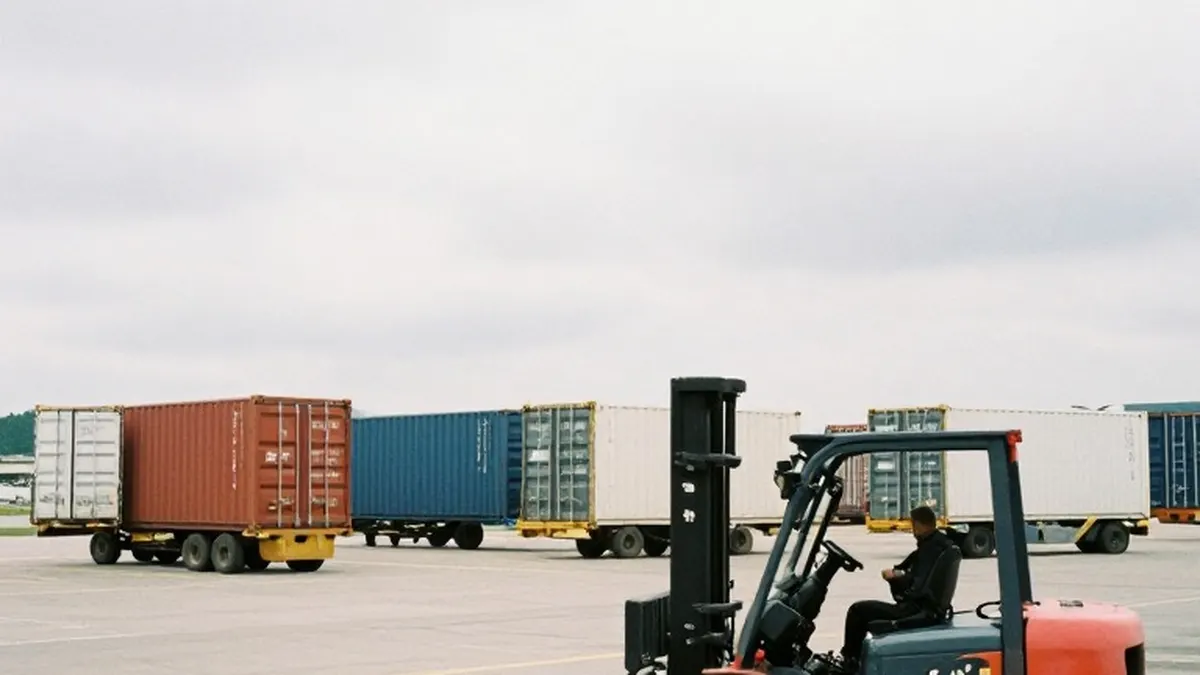
According to a criminal complaint filed in the Eastern District of Michigan, Zeng entered a FedEx property at Chicago's O'Hare International Airport in April. Surveillance footage indicates that he climbed onto a parked forklift to gain a higher vantage point for photography and attempted to open locked trailers and shipping containers.
Following the April incident, Zeng left the United States. He attempted to reenter the country on August 23 via the Ambassador Bridge, which connects Canada and Michigan. Customs and Border Protection agents flagged him for additional screening due to the previous event, leading to three separate interviews.
During his third interview with customs officials, Zeng stated that a Chinese contact had assigned him specific planes and tail numbers to photograph. He claimed he would receive between $20 and $30 for each image. Zeng explained that he communicated with this contact using SIM cards mailed to him, which he destroyed after use, along with deleting the conversations and photos.
Zeng told officers that the contact had found him on an aviation spotter website and that he believed the individual was connected to the Chinese Communist Party. The contact allegedly informed him that the photographs were intended for research purposes.
After being interviewed by the FBI, Zeng provided further details. He stated that the contact was interested in rare aircraft and that he suspected the person worked for the Chinese government because the language used became increasingly organized and managed as requests increased. He identified some of the photographed planes as United Airlines aircraft at O'Hare.
Investigators noted that Zeng only admitted to a three-month messaging history with the contact after further FBI questioning. He said he wanted to help because he found it cool and wanted the opportunity to work with someone similar to FBI agents. The contact had also asked him to travel to Orlando, Las Vegas, and Los Angeles to photograph specific locations near airports, tasks which Zeng said he denied.
Zeng's attorneys argued during Tuesday's hearing that his family would pay any bond amount imposed by the court. They even suggested the family could purchase an apartment in the United States to serve as a bonding location. Zeng pleaded not guilty earlier this month.
The defense did not immediately respond to requests for comment regarding the detention order. The case highlights ongoing scrutiny of foreign nationals gathering intelligence on American infrastructure and logistics networks.