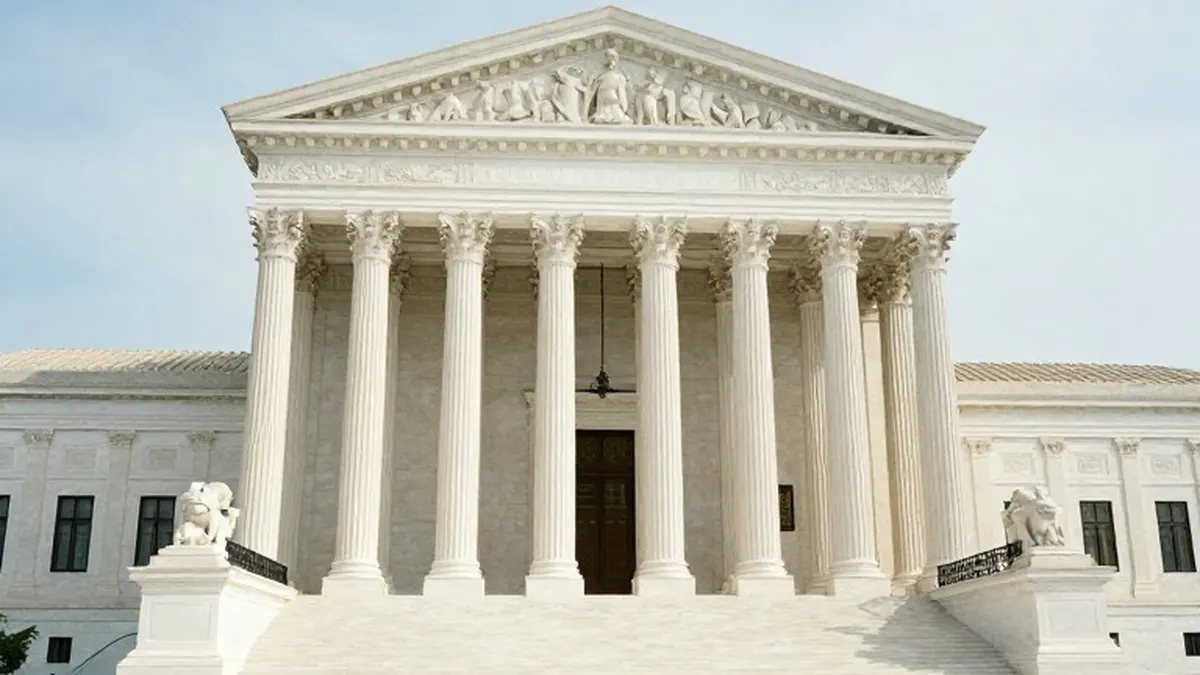
The Supreme Court announced on Friday that it will hear a significant legal challenge regarding President Trump's directive to suspend access to the asylum system and other legal protections for migrants illegally crossing the southern border. This decision marks the latest in a series of immigration cases from the president's second term that the justices are scheduled to address in the coming months.
In addition to the asylum case, the Court is also considering the legality of holding certain migrants in the United States illegally without providing them access to a bond hearing. Legal experts expect that decisions in these matters will be issued by the end of June or in early July, providing clarity on the administration's broad immigration powers.
President Trump has positioned a strict crackdown on immigration as a central pillar of his second term. This period has been characterized by enhanced enforcement operations in major U.S. cities and mass deportations of individuals in the country illegally. Under this administration, unlawful crossings at the U.S.-Mexico border have reached historic lows, while immigration detentions have increased.
On his first day back in the White House, the president issued a proclamation declaring an invasion at the southern border. This executive action suspended the entry of migrants crossing between ports of entry and barred them from seeking asylum or other legal protections that would typically allow them to remain in the United States. The Department of Homeland Security subsequently issued guidance to implement this directive, and immigration authorities have relied on the policy to summarily remove migrants without allowing them to apply for asylum.
The legal battle began in February 2025 when three nonprofit groups and 13 individuals filed a class-action lawsuit challenging both the presidential proclamation and the administration's implementing guidance. After several months of litigation, a federal judge in Washington set aside the asylum restrictions, ruling them unlawful.
Judge Randolph Moss determined that neither the Constitution nor federal immigration law granted the Trump administration the authority to replace rules and procedures enacted by Congress. He further noted that immigration law does not give the president the unilateral power to limit the rights of noncitizens in the U.S. to apply for asylum or other protections. Consequently, Moss certified a class of all people covered by the proclamation and blocked the administration from enforcing the directive against them.
The Trump administration appealed the lower court's decision. In April, a divided three-judge panel at the appellate level ruled that the proclamation and guidance exceeded the president's authority. The two judges in the majority found that the president lacks the power to suspend migrants' right to apply for asylum or to deport them under the administration's new summary removal proceedings.
Despite the appellate ruling, the Trump administration continued to enforce the policy suspending asylum access while legal proceedings moved forward. The D.C. Circuit Court of Appeals halted its ruling against the Department of Homeland Security pending the Supreme Court's review, setting the stage for the final determination on the scope of executive power in immigration enforcement.