Megaspeed, a major purchaser of Nvidia hardware in south-east Asia, has confirmed that Alice Huang stepped down from her executive position in August of the previous year. The announcement follows significant media attention linking Huang to Jensen Huang, the former chief executive of the AI chip maker. Jensen Huang recently resigned from his leadership role at Nvidia after reports emerged that he had maintained romantic relationships with Alice Huang and another internal employee.
The departure has intensified scrutiny on the supply chain for advanced artificial intelligence chips. Megaspeed is identified as the largest buyer of Nvidia chips in the region. Consequently, the scandal surrounding the former Nvidia boss has raised concerns regarding whether high-end processors reached China despite strict export restrictions imposed by the United States.
In a statement released on Sunday, the Singapore-based firm disclosed that it had initiated an internal investigation into its own business practices. The company noted that it was aware of recent reports containing assertions about its operations, supply chain, and global activities. However, Megaspeed emphasized that many of these claims are not backed by verifiable evidence.
The firm stated that it conducts its business in a legitimate and lawful manner. To address the ongoing questions, Megaspeed has retained external legal counsel to lead a thorough review of its internal processes and compliance measures.
Tensions within the US government have also surfaced regarding the oversight of chip exports. On Friday, Treasury Secretary Scott Bessent placed blame on the Department of Commerce for failing to properly monitor the export of high-end chips. Speaking to CNBC, Bessent indicated that several agencies had supported adding Megaspeed to the US entity list for months. He noted that the Department of Commerce holds the authority to make such decisions and suggested that questions about their internal process should be directed to them.
The entity list serves as a tool to restrict trade between the US and specific overseas firms and individuals. In response to the growing controversy, Commerce Secretary Howard Lutnick has been summoned to testify before the Senate Banking Committee next month. His testimony will focus on his department's role in permitting Nvidia to export its advanced chips.
Additional congressional committees have requested that Lutnick and his department retain all records related to Nvidia and its former chief executive. These measures aim to ensure transparency in the review of the export approval process.
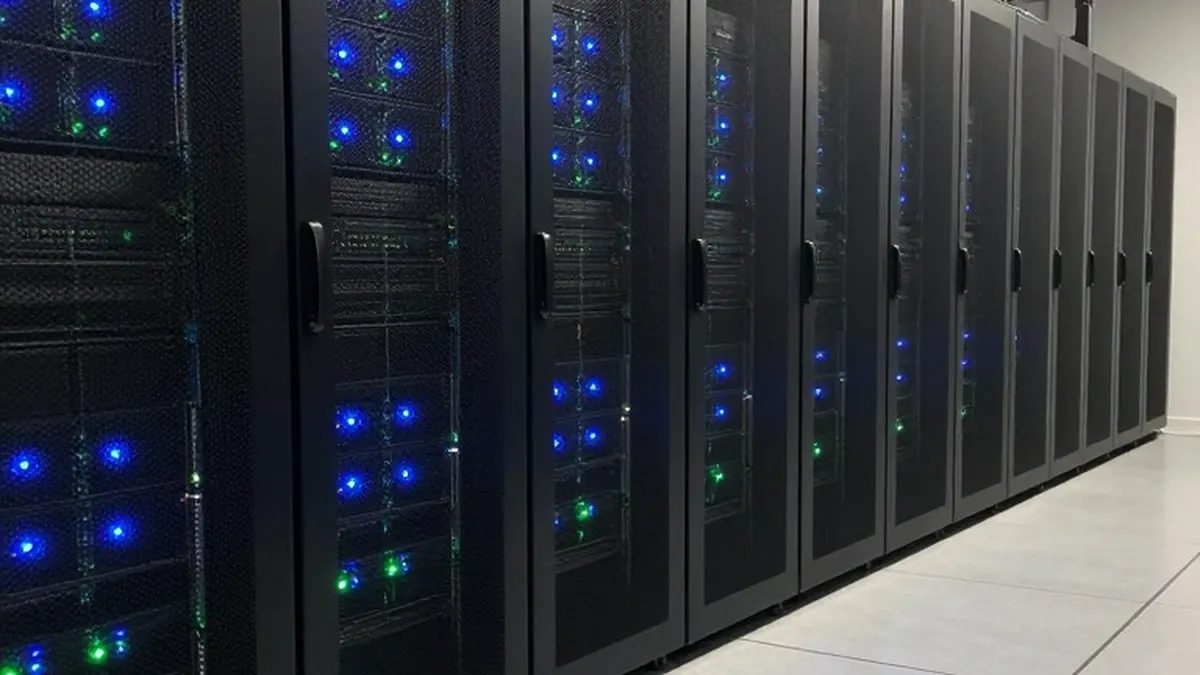
Megaspeed faces specific suspicions that it provided backdoor access to Nvidia chips for Chinese companies. This access is believed to have been facilitated through the company's data centres located in Malaysia, Indonesia, and Thailand. Nvidia is currently prohibited from selling its most advanced chips directly to China, making the role of intermediaries a critical point of focus.
While Singapore does not ban the transfer of advanced AI chips to foreign companies, such transfers can violate US export controls if not handled correctly. The Singaporean government has stated that while it does not enforce unilateral export controls imposed by other nations, it expects all companies under its jurisdiction to respect these regulations.
Megaspeed reaffirmed its commitment to compliance, stating that it designs and maintains global operational and supply chain frameworks to adhere to all applicable laws. This includes compliance with US export control requirements and local rules in every market where it operates. Meanwhile, China has denied that Alice Huang is a spy. Beijing has also warned the United States against using the scandal as a pretext for imposing a technological blockade on AI technology.