Federal authorities unsealed an indictment on Thursday that charges more than a dozen individuals with orchestrating a large scale theft operation targeting freight trains. The alleged group is accused of stealing over $22 million worth of consumer goods, including footwear from major brands and power tools, from cargo moving through the busiest ports in the United States.
The criminal scheme reportedly targeted more than three dozen trains that transported imported goods into the country via the ports of Los Angeles and Long Beach. The stolen merchandise included Nike sneakers, Crocs footwear, and various other consumer products destined for stores and customers nationwide.
In recent years, freight trains have become a prominent target for organized theft rings, particularly at major ports that handle hundreds of millions of dollars in daily shipments. These relatively low tech robberies have drawn significant attention from large retailers, including Amazon, as they seek to secure their supply chains against such losses.
According to the indictment, the suspects would disable trains at planned locations by busting the brakes. Once the trains were stopped, the crew would offload the valuable cargo onto trucks. The stolen goods were then sold to an unnamed company that resold the merchandise for a profit.
First Assistant United States Attorney Bill Essayli described the scale of the theft as staggering. He stated that the office intends to prosecute any future efforts to steal the merchandise, signaling a continued focus on combating this type of organized crime.
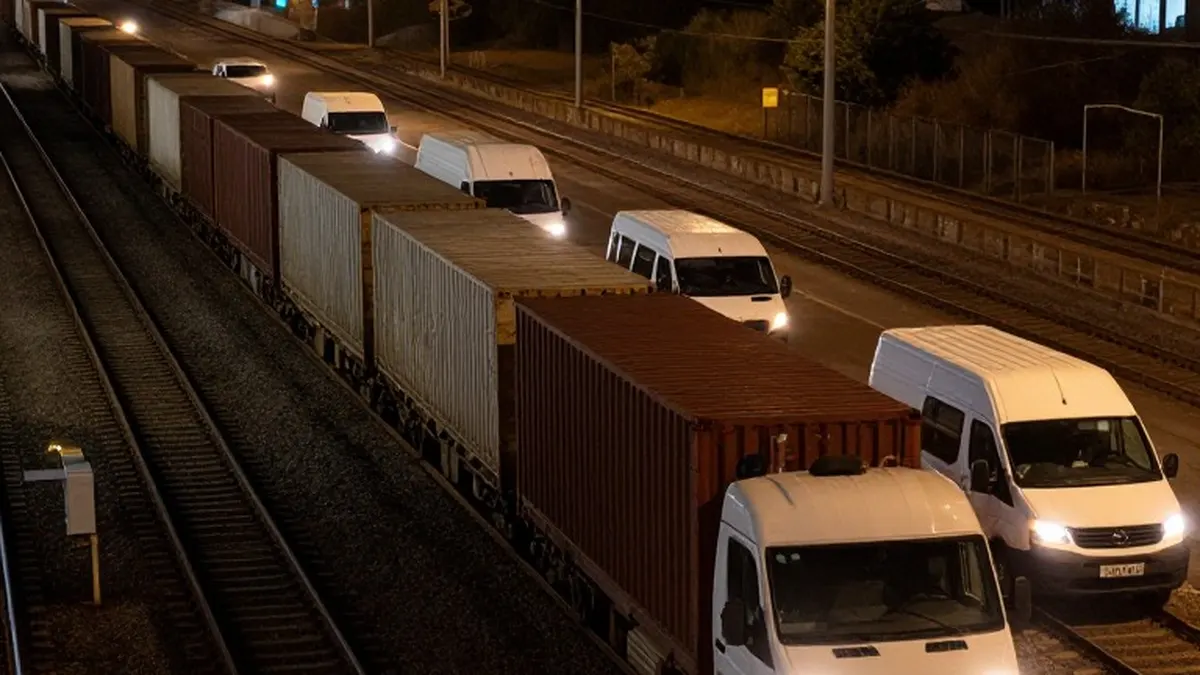
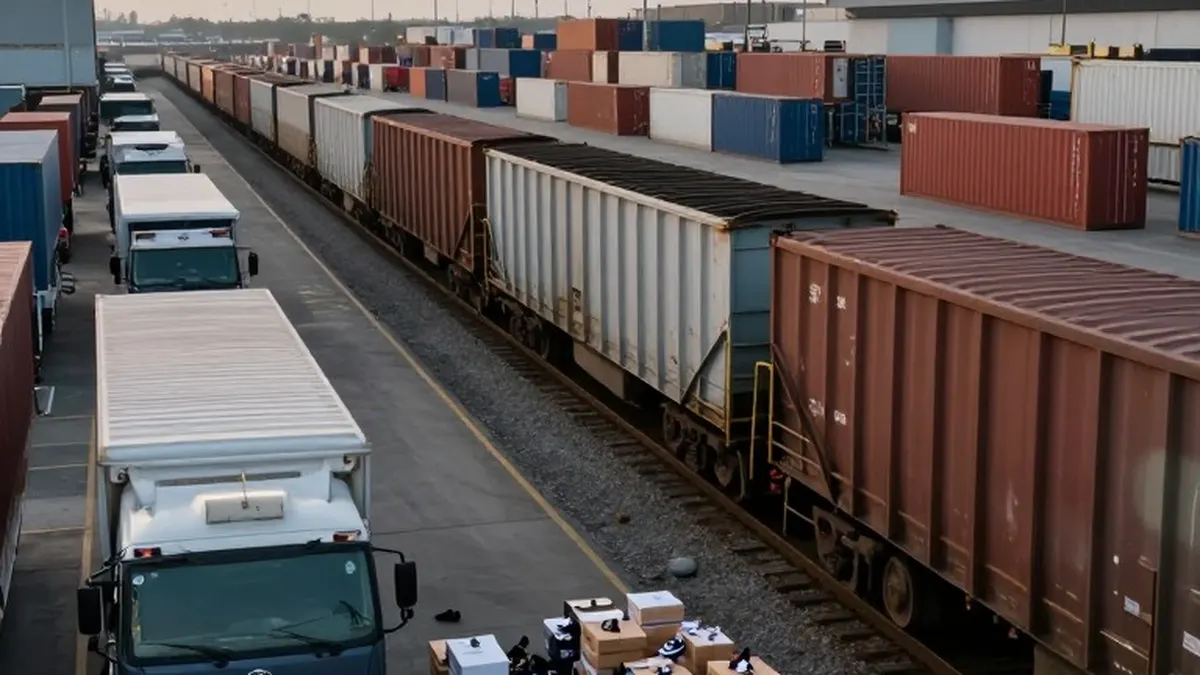
Evidence presented in the case includes numerous photos and videos shared by the men in group chats. These images show the suspects entering train cars, posing with large amounts of cash, and displaying the stolen items. The group also shared AI generated photos of themselves captioned “Los Trenes,” which translates to the trains in Spanish.
The AI images depicted the men throwing boxes of shoes off trains into nearby vehicles while police helicopters hovered overhead. These glamorized photos appear to have been used to celebrate their successes within the group.
Thirteen men were indicted for conspiracy and theft of interstate railroad cargo. Additionally, two of the suspects faced extra charges for violence against railroad carriers. If convicted, the men could face prison sentences ranging from five to 20 years in federal prison.
The case highlights the growing threat posed by organized groups targeting the logistics infrastructure that supports major retail operations. The indictment marks a significant step in holding the alleged ringleaders accountable for the massive financial losses suffered by the industry.
As the legal process moves forward, the outcome may influence how retailers and port authorities secure their freight in the future. The charges underscore the brazen nature of the operation, which relied on coordination and physical force to extract high value goods from moving or stationary trains.