Ten years after the Paris Agreement took effect, the world has made progress in expanding clean energy and strengthening climate policies, but remains far from delivering the emissions cuts its goals require. Global emissions are 9 percent higher than in 2016, while rising temperatures have brought the agreement’s most ambitious warming limit increasingly close.
Adopted by 196 parties at the United Nations climate summit in Paris on December 12, 2015, the legally binding treaty entered into force on November 4, 2016. It seeks to keep warming well below 2 degrees Celsius above preindustrial levels, while pursuing a limit of 1.5C. Its membership now comprises 193 countries and the European Union, a total of 194 parties.
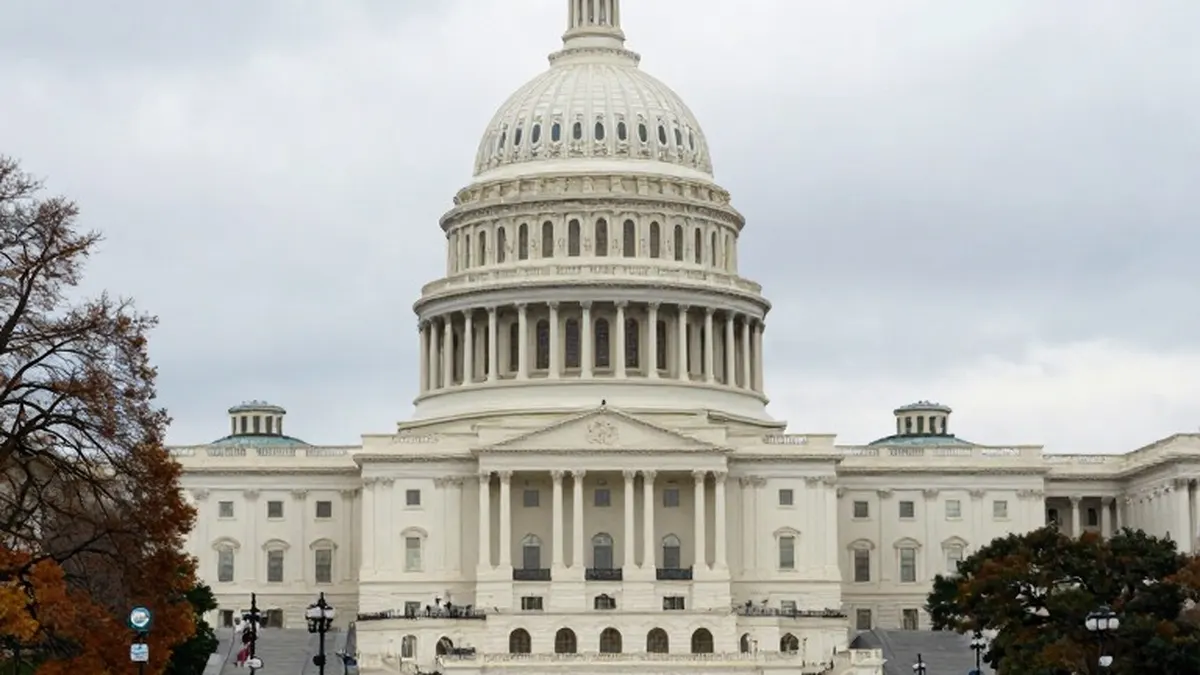
The United States, the second-largest greenhouse gas emitter after China, has twice joined and withdrawn from the pact. President Donald Trump ordered both departures, with the first taking effect in November 2020. President Joe Biden brought the country back in February 2021. The second withdrawal took effect in January 2026, a year after Trump ordered it.
Under the agreement, governments draw up their own plans for reducing emissions and adapting to climate change, known as nationally determined contributions. They submit increasingly ambitious plans every five years, while a Global Stocktake reviews collective progress on the same schedule. The treaty also addresses reporting, finance and assistance for developing countries. Although legally binding, it does not compel governments to achieve their targets, depending instead on transparency and international pressure.
The temperature record illustrates the widening challenge. In 2024, global warming exceeded 1.5C over a full calendar year for the first time. The years 2023 through 2025 were the hottest recorded and formed the first three-year period averaging above that threshold. Long-term warming is approximately 1.4C, with scientists expecting it to pass 1.5C around the decade’s end. In October, the UN Environment Programme said keeping warming within 1.5C without an overshoot was no longer possible.
Projections have nevertheless improved since 2015, when policies pointed towards roughly 3.6C of warming by 2100. Climate Action Tracker now puts that outlook at about 2.6C following stronger policies and clean energy growth. However, progress has stalled since 2021. Investment in clean energy is almost twice that in fossil fuels, yet emissions reductions remain too slow.
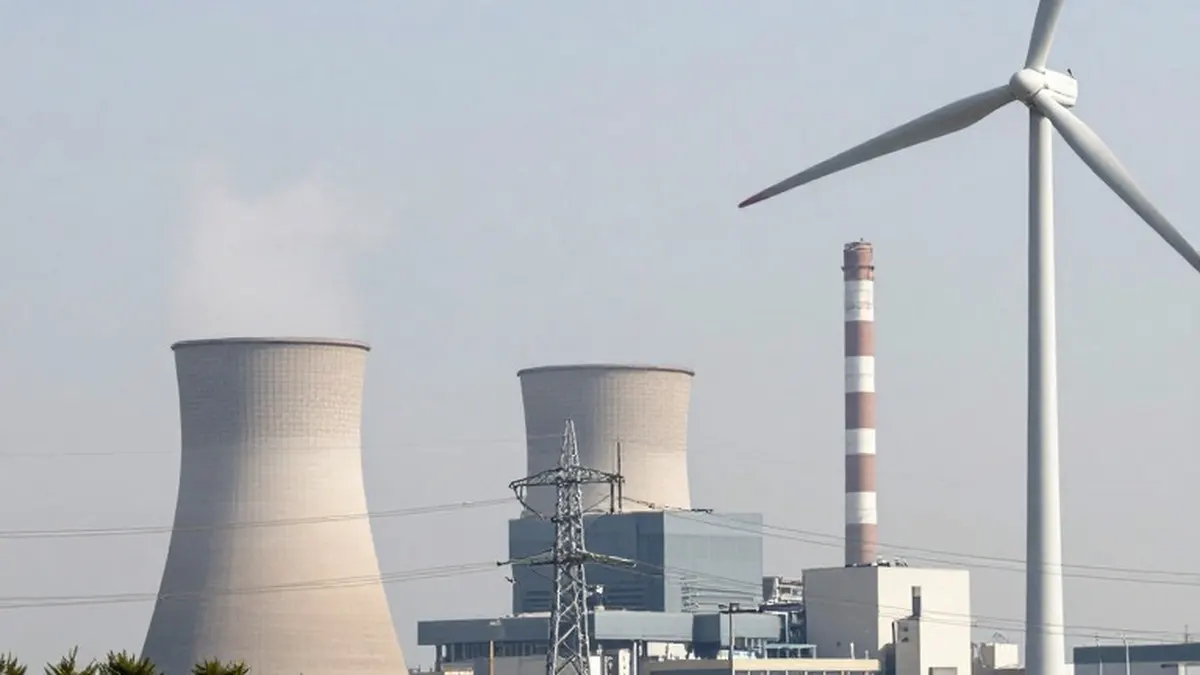
China, the US and India together account for more than half of annual global emissions, although the US remains the largest historical carbon emitter. Emissions have continued rising in China, India and Indonesia as coal use grows to meet electricity demand. Indonesia has replaced Canada among the top 10 emitters. Germany, Japan and the US have reduced emissions largely by shifting from coal to renewables and gas, but increases elsewhere have outweighed those reductions.