France is preparing for a significant shift in its electoral media landscape as it approaches the presidential election scheduled for next spring. The country has maintained a strong tradition of campaign regulations since 1965, the year universal suffrage was first used for presidential voting. A central pillar of these rules is the concept of equal time, which ensures that all candidates receive balanced coverage. However, the definition of this balance is being reevaluated in the digital age.
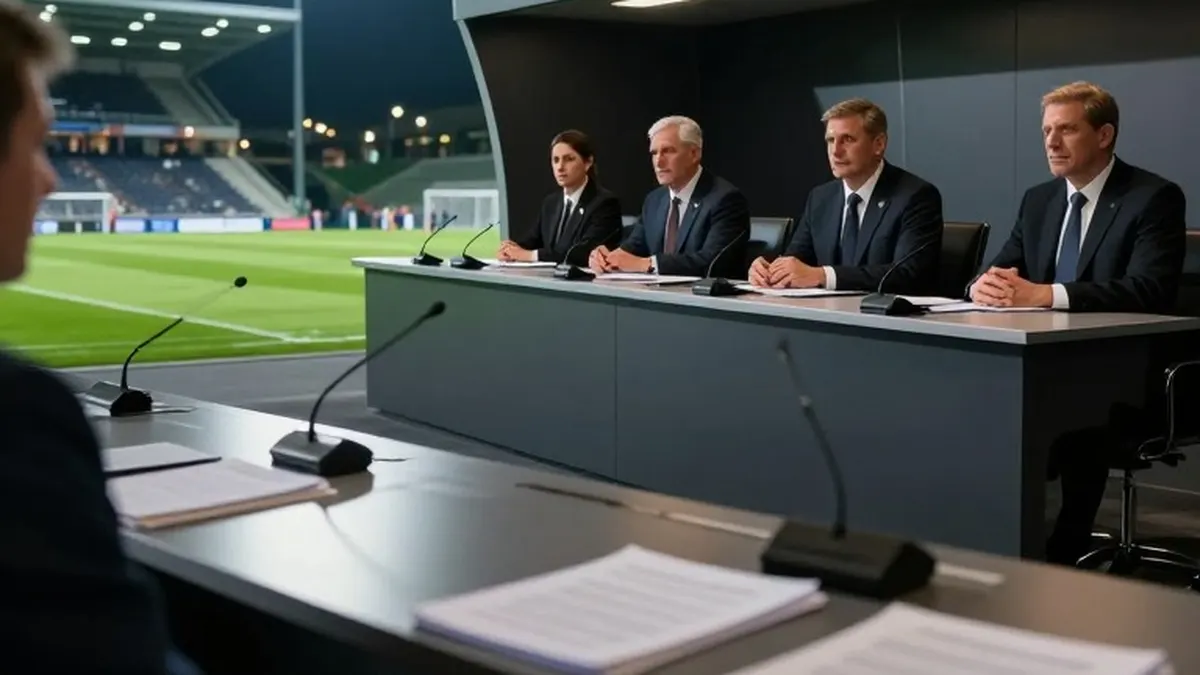
Last week, the French media regulator Arcom announced a new requirement for the upcoming campaign period. Major online content creators, including popular YouTubers, podcasters, and influencers, will now be subject to the same balanced airtime rules that apply to traditional television and radio networks. This decision marks a notable expansion of regulatory oversight into the realm of digital media.
The announcement has sparked debate within media circles and among the general public. France 24, a major news outlet, is already reviewing its own practices, including stopwatches and guest lists, to ensure compliance with the new standards. The core question remains whether creators who produce content for online audiences should be held to the same strict standards as established broadcast media.
The new rules have also intensified discussions regarding political coverage and media ownership. A recent petition signed by more than one million people called for the closure of CNews, a far-right cable channel. The signatories argue that the network, which is owned by billionaire media mogul Vincent Bolloré, operates on free-to-air terrestrial digital television. They claim it was promised to be a channel dedicated to news and information, but instead functions as a platform for identity politics.
Critics of the current media environment describe the situation as a safeguard for democracy, while others view it as a form of censorship. The debate highlights the tension between protecting the integrity of the electoral process and preserving the freedom of content creators to shape their programming.
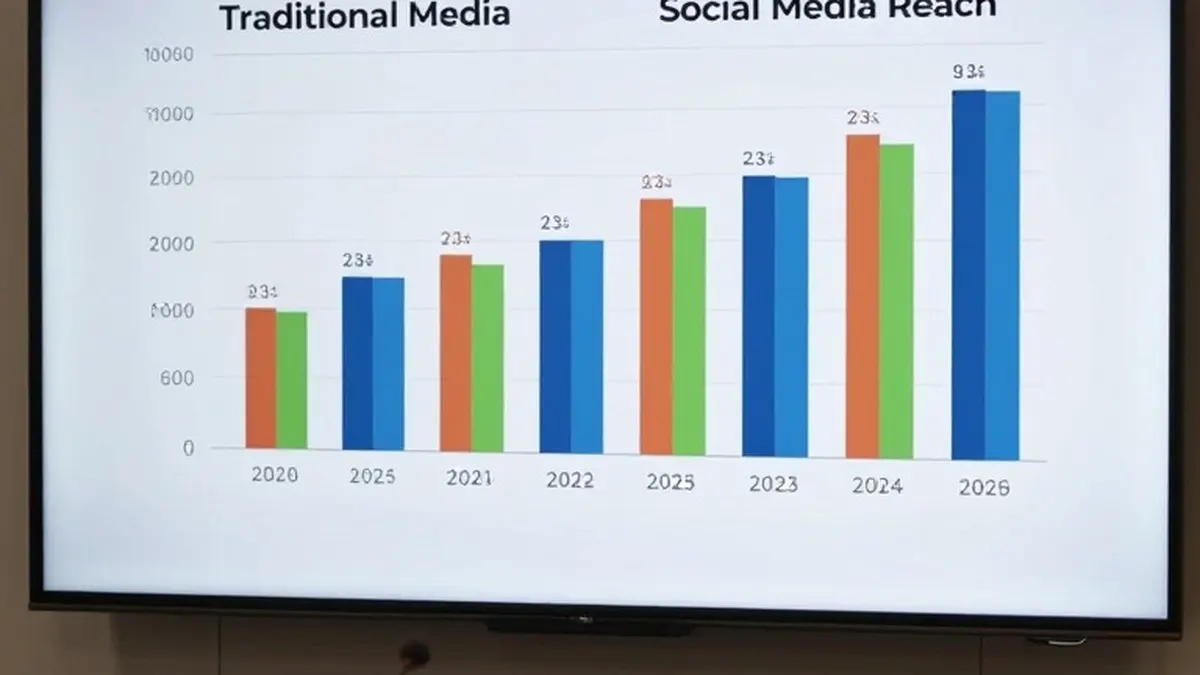
Broader questions are being raised about the influence of online lives on voter behavior. Currently, the two candidates who dominate social media platforms are also the frontrunners in the race. These candidates are Marine Le Pen of the far-right and Jean-Luc Melenchon of the far-left. Their strong online presence coincides with their status as leaders of parties with robust ground organizations.
Both Le Pen and Melenchon lead parties that have effective militant bases. These supporters actively engage in traditional campaigning methods, such as distributing posters and pamphlets in public spaces. This combination of digital dominance and physical presence gives them a significant advantage in the current political climate.
For mainstream candidates who feel their moment in the spotlight is fading, the new rules raise important strategic questions. It is unclear whether the primary challenge lies in the media landscape or in the message being delivered. The introduction of these regulations forces all contenders to reconsider how they present their platforms to a diverse and increasingly digital electorate.
The regulatory changes are part of a broader effort to adapt democratic processes to modern communication channels. As the election season approaches, the focus will remain on how these new rules are implemented and whether they effectively promote a fairer playing field for all candidates.
The announcement was reported by the France 24 team, including producers François Picard, Rebecca Gnignati, Juliette Laffont, Ilayda Habip, and Charles Wente, who analyzed the implications of the new guidelines for both media professionals and voters.