As The Gambia prepares for its presidential election on December 5, citizens are weighing whether the next leader can resolve persistent economic and social challenges. Nearly ten years after the departure of former ruler Yahya Jammeh, issues such as high unemployment, rising living costs, and inconsistent public services continue to test the country's democratic transition. Voters are increasingly focused on whether the incoming administration can deliver the tangible changes they have been promised for a decade.
Business owners feel the impact of infrastructure gaps directly. Sosseh Jagne, who expanded her catering business into a restaurant in early 2025, reports that frequent power outages have severely disrupted operations. She noted that electricity cuts sometimes lasted 19 hours between August and October, leading to spoiled inventory and lost revenue. Jagne estimates that spoiled food cost her more than 40,000 Gambian dalasis, forcing her to discontinue sales of homemade iced juices due to refrigeration issues.
Unemployment remains a critical concern, particularly among the youth. The 2025 Gambia Labour Force Survey indicates that overall unemployment rose to 8.3 percent, up from 7.6 percent in 2022 and 2023. The situation is more acute for those aged 15 to 35, where unemployment stands at 11.5 percent. Additionally, 41.3 percent of young people in this demographic are neither employed nor in education or training. Graduates like Maram Mendy describe a frustrating cycle where employers demand experience that is difficult to obtain without a job.
The lack of local opportunities has driven many to consider irregular migration to Europe, a route often referred to as the backway. The human cost of this trend is significant. According to a report by UN Special Rapporteur Morris Tidball-Binz following a visit in October 2026, independent sources indicated that 1,603 Gambians died attempting irregular migration in 2024, with 893 deaths recorded in 2025. Most of these fatalities occurred at sea. The International Organization for Migration has also documented at least 408 Gambians missing along migration routes since 2014.
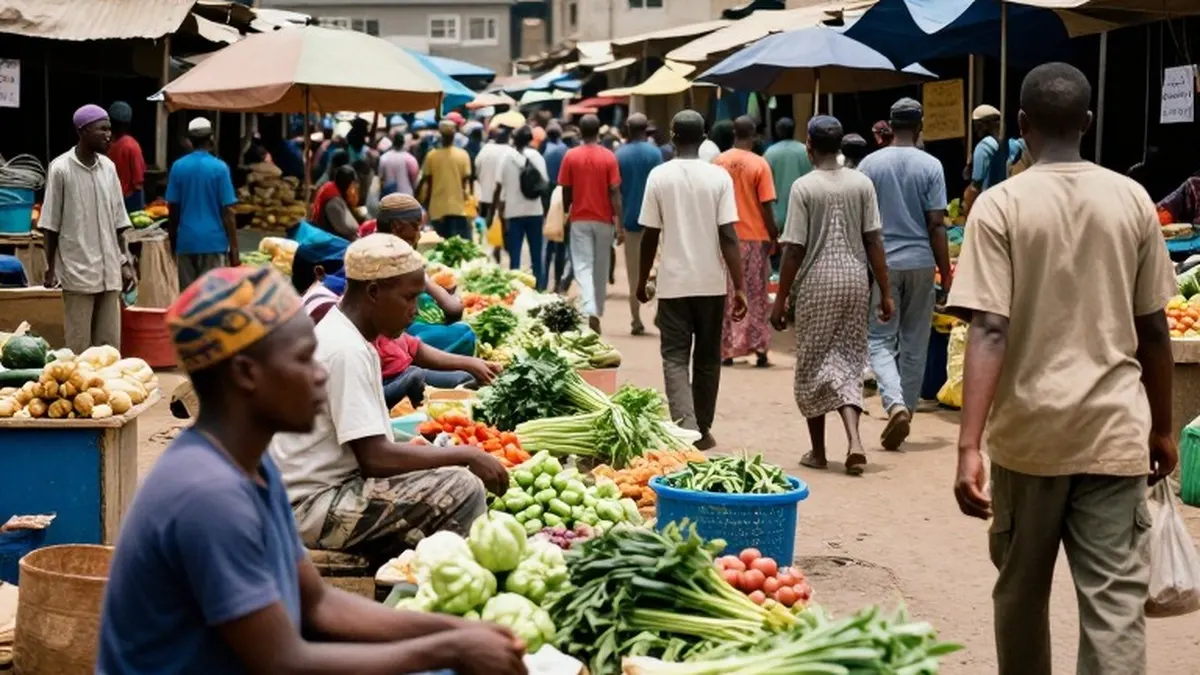
Economic hardship is widespread, with the Gambia Bureau of Statistics reporting that 53.4 percent of the population lived below the national poverty line in 2020. The disparity between rural and urban areas is stark, with rural poverty rates reaching approximately 76 percent compared to 34 percent in cities. Market vendors like Fatoumatta Jawara cite rising prices as a major barrier to supporting their families, while others express fatigue with political promises that seem to fade after election day.
Security concerns also loom over the election, particularly in communities bordering Senegal’s Casamance region. Instability in this neighboring area has raised fears regarding the safety of border towns and the livelihoods that depend on cross-border movement. These local issues add to the national debate on how the next government will manage security and economic integration.
For families affected by abuses under Jammeh, the issue of justice remains unresolved. Sainabou Camara Lowe, a survivor of the 2000 student demonstrations, says that while she received reparations, the amount has not eased her family's long-term hardships. Kebba Jome, coordinator of the Gambia Centre for Victims of Human Rights Violations, notes that fewer than 25 percent of the 263 recommendations made by the Truth, Reconciliation and Reparations Commission have been fully implemented. A special tribunal to prosecute alleged crimes from the Jammeh era is expected to begin hearings in early 2027.
Political reform remains a central theme of the campaign. The 2020 Draft Constitution, which proposed a two-term limit for presidents, failed to pass in the National Assembly due to disagreements over whether President Adama Barrow’s first term should count. Barrow, seeking a third term, has pledged to revisit constitutional reform if re-elected. His main challenger, Ousainou Darboe of the United Democratic Party, promises to reintroduce the 2020 draft within his first 100 days and has committed to serving a single five-year term.
The election features eight candidates, including former Vice President Isatou Touray, who is campaigning to become the country's first female president. She has pledged to deliver a new constitution and improve living conditions. Other contenders include independent candidate Almameh Gibba, who has stated he would facilitate Jammeh's return if elected, and Talib Ahmed Bensouda. Political scientist Essa Njie suggests that while economic conditions and party loyalty will influence voting, ethnic and religious lines will also play a role.
Ultimately, the December 5 vote represents a test of The Gambia's democratic journey. Voters are seeking reliable electricity, job opportunities, and accountability for past abuses. Whoever wins will inherit the responsibility of governing a nation where the gap between campaign promises and daily reality remains a defining feature of political life.