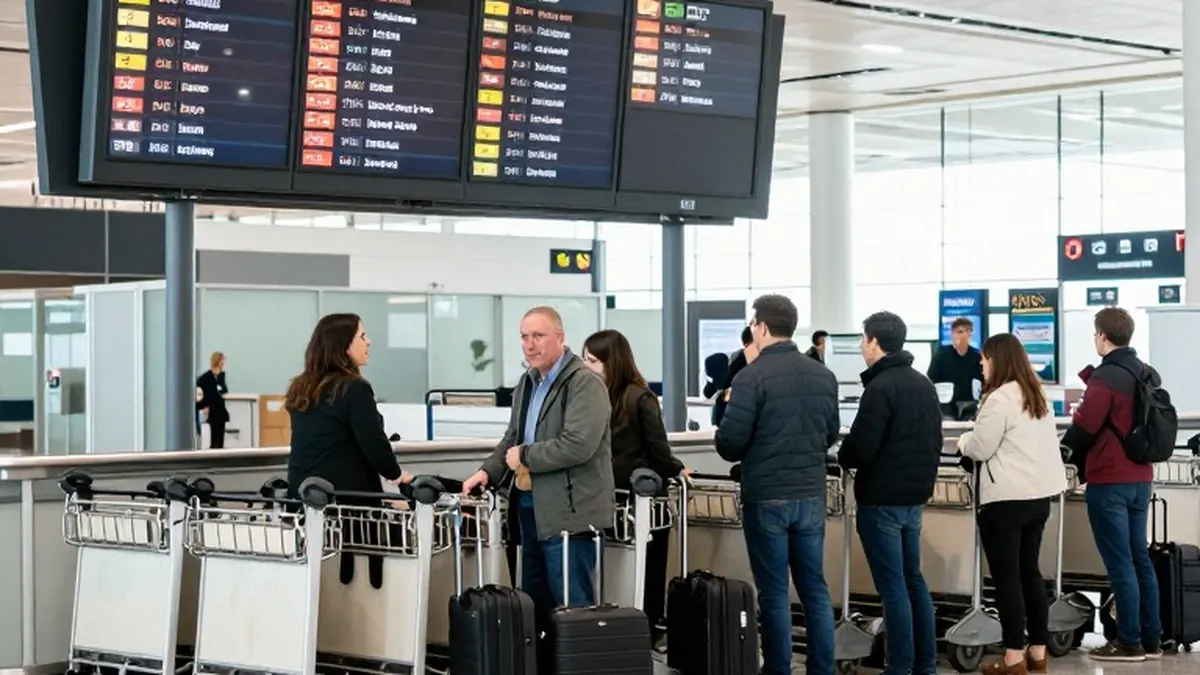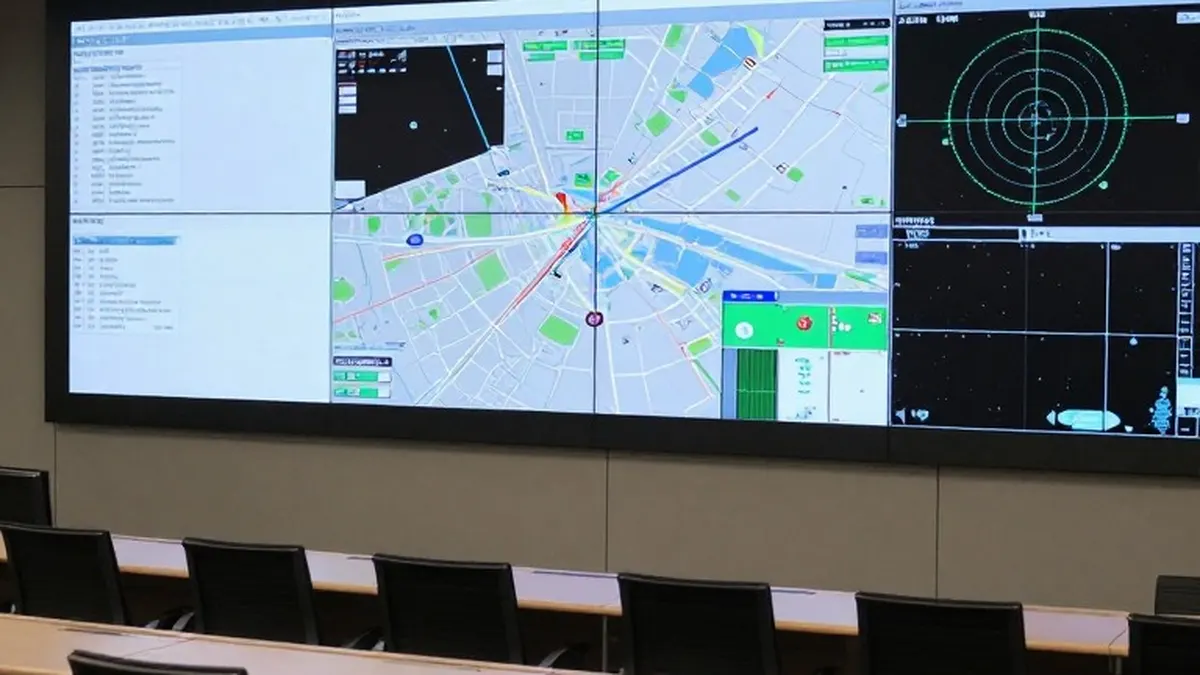
Gulf Cooperation Council defence ministers approved the creation of a forward command in Kuwait on November 10. This new unit will operate under the GCC Unified Military Command and is expected to receive allocated forces. The move signals a significant step toward collective responsibility for the region's security, even as diplomatic efforts continue.
The decision follows recent remarks by US President Donald Trump, who stated on November 9 that Iran is militarily effectively over. Although he indicated that the US blockade would persist and left the door open for further military action, his comments did not announce a formal end to the war. Analysts argue that while diplomatic openings are valuable, they do not resolve the underlying security challenges facing the Gulf.
Recent events, including Iranian attacks and Israel's strike on Qatar in September 2025, highlight the breadth of regional threats. A security strategy focused on a single adversary is insufficient given risks from militias, cyberattacks, and maritime disruptions. The erosion of international restraints on the use of force further complicates the management of these diverse challenges.
Experts suggest that a layered and networked security architecture is the most credible response. This approach recognizes that different partnerships serve different functions. National capabilities and GCC cooperation form the foundation, while relationships with the United States and other partners address specific needs. For instance, the air and missile defence coordination cell opened at Al Udeid in January aims to improve regional threat sharing and contingency planning.
New agreements are adding to this framework. The Mecca Joint Defence Agreement, signed in August by Saudi Arabia, Türkiye, and Pakistan, establishes a collective defence commitment. Additionally, the Badr memorandum, signed in October by Qatar, Turkiye, Pakistan, and Indonesia, focuses on cooperation in defence manufacturing, research, and technical training. These arrangements are designed to fill gaps that no single partnership can address alone.
The goal is to connect these layers so that capabilities developed in one area strengthen others. Qatar serves as a key example of this networked approach. Although it is not a signatory to the Mecca agreement, it connects to all three Mecca members through its participation in the Badr memorandum and its GCC membership. This web of connections allows for the sharing of information, equipment, and expertise, provided that governments agree to facilitate such transfers.
This regional strategy aligns with the interests of wider international partners, including European states, Japan, South Korea, Singapore, Indonesia, and Pakistan. These nations share a desire to resist a world where force overrides sovereignty and trade is subject to political coercion. Both energy exporters and importers require open shipping routes, making stability a common priority despite differences in political systems or relationships with Washington.
Diplomatic foundations for this cooperation already exist. The EU and GCC have jointly defended freedom of navigation through the Strait of Hormuz, while ASEAN and GCC ministers have reaffirmed the importance of sovereignty and civilian infrastructure protection. These groups are positioned to shape the emerging international order by leveraging their combined economic and diplomatic resources.
Implementation requires consistency and clear operational protocols. Gulf governments and partners must agree on how to share warnings, which capabilities are available, and who has authority to request assistance. Joint exercises should test these connections under pressure. Furthermore, protecting essential systems such as energy facilities, ports, and communications networks is a priority. A partnership that can quickly restore essential services contributes directly to security, even without a formal mutual defence clause.
Diplomacy must remain a distinct layer of this architecture. Channels with Iran and mechanisms to manage escalation are necessary alongside stronger defences. While the architecture aims for relative peace and security rather than a permanent end to all rivalries, it seeks to reduce the frequency and consequences of violence. The objective is a region with more partners acting together and fewer crises capable of dragging everyone into war.