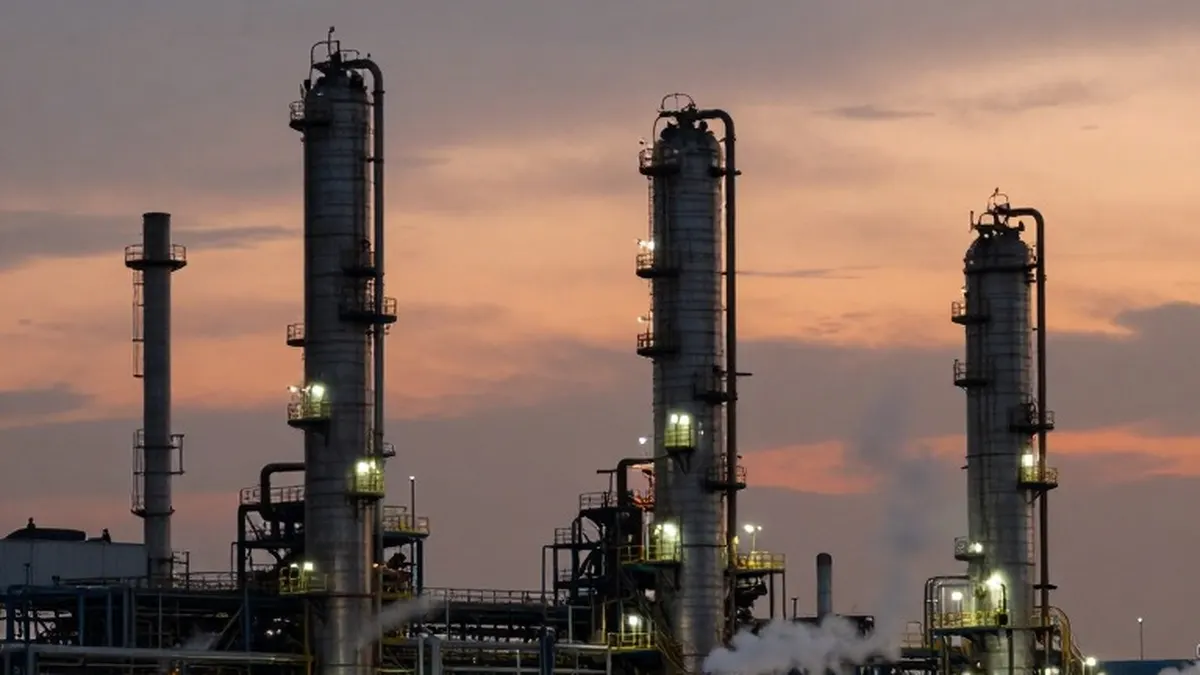
A recent surge in military operations has significantly impacted Russia's fuel infrastructure, potentially knocking out half of the nation's petrol production. Over the past two weeks, a series of coordinated strikes has affected most of the country's major refineries, threatening to trigger a new fuel crisis. This situation mirrors previous shortages where long queues formed at petrol stations and drivers faced strict limits on the amount of fuel they could purchase.
Sergei Vakulenko, a senior research fellow at the Carnegie Russia Eurasia Centre in Berlin, estimates that the campaign may have paralyzed facilities responsible for approximately 55% of all petrol in Russia. The offensive began in late October and has continued with increasing intensity. Vakulenko notes that the strategic reserves accumulated during the relatively calm month of October are likely sufficient to cover only about one week of national consumption, highlighting the urgency of the current supply situation.
The strikes have focused heavily on the largest production hubs in the country. All five of Russia's biggest oil refineries have come under drone attack during this two-week period. On November 11, the Omsk oil refinery, which has an annual capacity of 22 million tonnes, was targeted. Shortly before that, on November 9, the Kinef refinery in Leningrad Oblast, with a capacity of 21 million tonnes, faced similar strikes.
Facilities supplying the capital have also been hit. On November 5 and November 3, unmanned aerial vehicles struck the Ryazan oil refinery and the Slavneft-YANOS plant, respectively. These two major sites, with capacities of 17 million tonnes and 15 million tonnes, are critical for fueling Moscow. The attacks demonstrate a clear pattern of targeting infrastructure that serves the most populous urban centers.
The campaign extended further east on November 1, when drones attacked a Lukoil refinery near Nizhny Novgorod. This facility, with a capacity of 17 million tonnes, is the second-largest producer of motor petrol in Russia. The pressure continued on November 13 with an attack on the Volgograd oil refinery, which has an annual capacity of 14 million tonnes. This sequence of strikes indicates a broad front of operations rather than isolated incidents.
Beyond the largest plants, several other significant refineries have also been targeted. The list includes Rosneft's Novokuybyshevsk oil refinery, which processes 8.3 million tonnes annually. Other struck facilities include the Ufimsky refinery plant with a capacity of 6.6 million tonnes and the Afipsky Oil Refinery, which has a capacity of 7.2 million tonnes. These additional strikes further compound the reduction in overall national refining output.
Russian experts suggest that the current month may mark a critical turning point in the conflict's economic impact. Vakulenko believes that November 2026 could be the moment when initial inconveniences and minor disruptions transform into serious systemic problems for the Russian energy sector. The sustained pressure on infrastructure is beginning to show tangible effects on the broader economy.
Since Ukraine renewed its drone attacks on Russian refineries in late October, the country's total oil refining capacity has dropped by roughly 30%. This sharp decline has forced major state and private entities to take immediate action. Rosneft, which is the largest oil producer in Russia by output, has introduced limits on fuel sales at its petrol stations across all regions of the country to manage the reduced supply.
The combination of reduced production capacity and limited reserves creates a challenging environment for Russian motorists and logistics providers. As the stockpiles from October dwindle, the full impact of the strikes on daily life and commercial transport is expected to become more apparent in the coming days. The situation underscores the strategic importance of refining infrastructure in modern asymmetric warfare.