
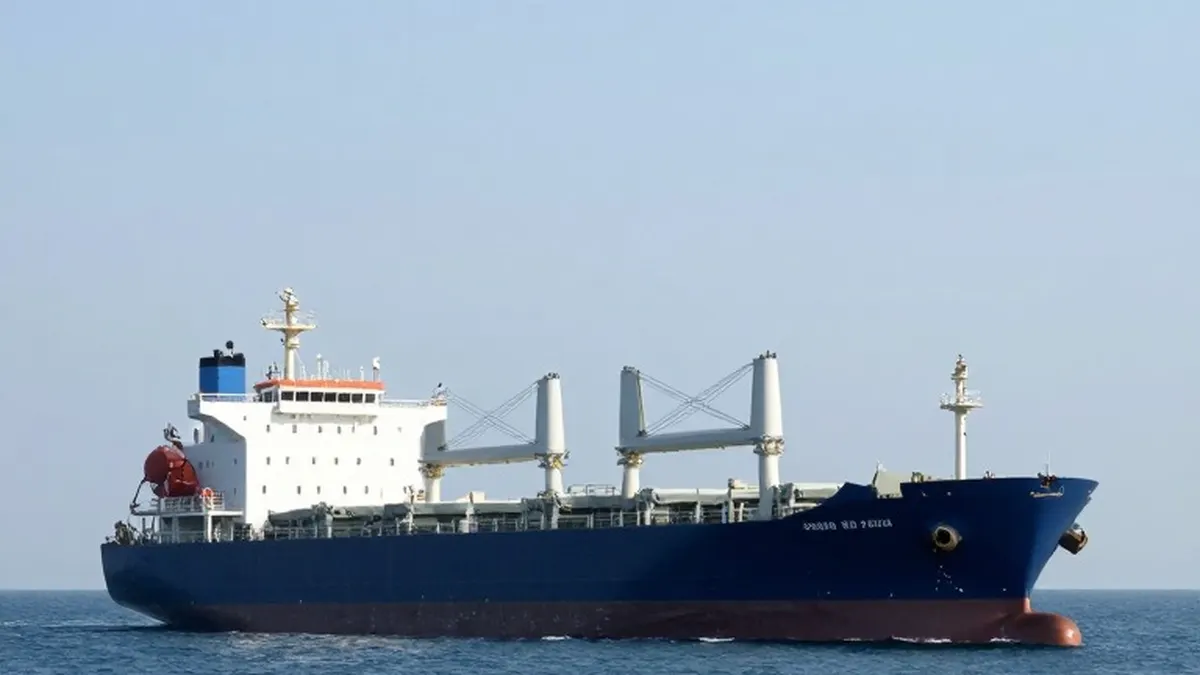
The United States government is investigating intelligence that suggests Iranian actors may have compromised up to 50 commercial shipping vessels through recent cyberattacks. Federal officials are scrutinizing these breaches to determine if they represent the latest instance of Iranian cyber operations targeting global critical infrastructure during the ongoing conflict with the United States.
The initial report of the widespread breaches was made by The Wall Street Journal. A U.S. official familiar with the matter, who was not authorized to speak on the record, along with a former military cyber operator and an industry executive briefed on the incidents, confirmed the details to NPR. The investigation highlights a growing concern over the digital vulnerability of the maritime sector.
This incident follows other suspected Iranian cyberattacks reported by NPR, including digital intrusions into U.S. water treatment systems in August and attacks on refrigeration cooling systems that caused food spoilage at grocery stores in Europe and on U.S. military bases as recently as early November.
In August, the Coast Guard and the FBI collaborated to send a specialized team to board two foreign commercial vessels in the Gulf of America. According to a joint statement from the two agencies, the captains, crews, and shore-side staff assisted in mitigating the threats. Both agencies told NPR that there are currently no reports of operational disruptions, vessel instability, physical danger to crews, or environmental impacts.
The U.S. official indicated that the attackers likely exploited known vulnerabilities in Fortinet FortiGate devices, which are commonly used in the maritime industry to manage firewalls and virtual private networks. A cyber bulletin issued by the Coast Guard and FBI in September warned the industry that threat actors were scanning for these specific unpatched vulnerabilities to gain a foothold in networks.
In several cases, ship employees suspected a breach after noticing email disruptions, login failures, or, in at least one instance, an extended communications blackout. The official explained that hackers entered through the IT systems and then pivoted to operational technology, which controls physical processes on the ships. Although no examples of physical impact were shared, the official noted that the attackers could have affected systems controlling propulsion, steering, navigation, and cargo management.
One of the affected vessels was an LNG tanker designed to transport liquified natural gas. Maintaining specific temperatures is critical for such cargo to prevent dangerous accidents involving explosive materials. A former Navy official who requested anonymity stated that the possibility of exploiting operational technology on Navy and Merchant Marine ships had been tracked for years, with these events now coming to fruition.
National security officials are working to raise awareness about the risks associated with internet-connected devices, particularly those linked to critical processes. The U.S. official emphasized that these attacks are not highly sophisticated and could be mitigated with basic cyber hygiene. The Coast Guard noted that modern ships are highly integrated systems where a cyberattack could lead to collisions, groundings, oil spills, or explosions.
As the winter holiday season approaches, bringing a busy period for commercial shipping, officials are preparing to investigate any potentially compromised ships entering U.S. ports. The U.S. official expressed a desire for the public to better understand the complexity of the marine transportation system, noting that people often take it for granted until disruptions affect the delivery of goods.





