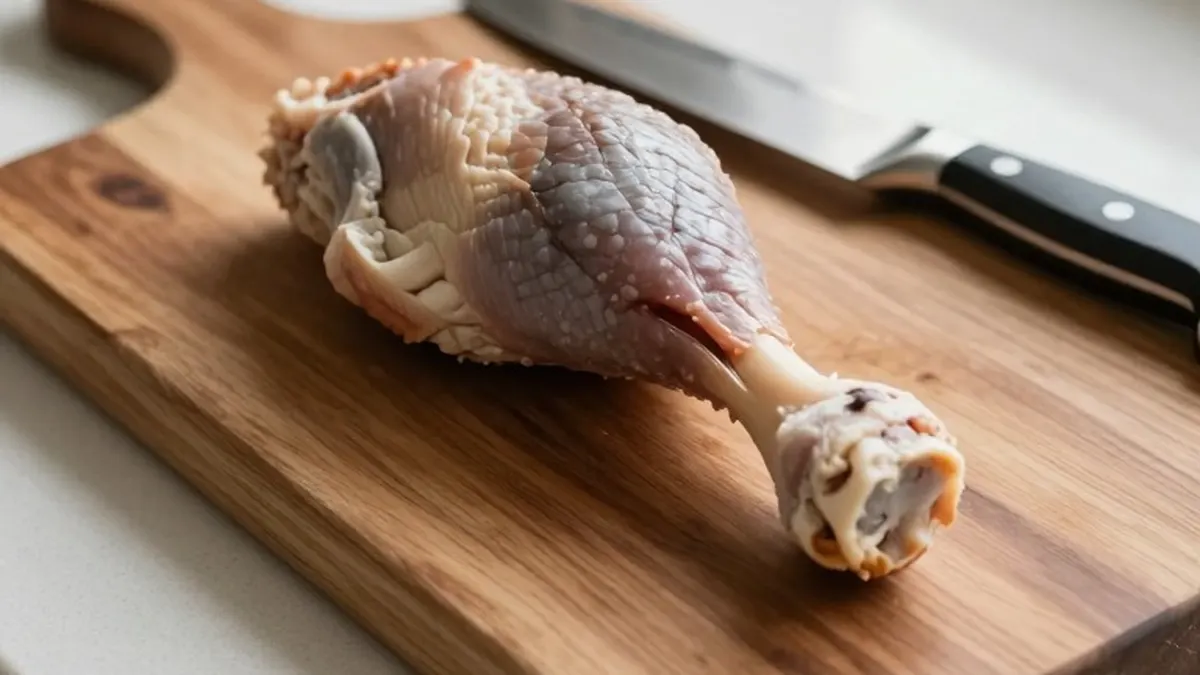
Proper equipment is as critical as the ingredients when preparing major holiday meals. While roasting pans and casserole dishes are standard necessities, a high-quality carving board is essential for serving large pieces of meat and poultry without creating a mess. Beyond preventing spills, these tools help stabilize the food, ensuring that a turkey or bone-in ham does not slide around during the carving process.
To identify the most effective options for the upcoming season, NBC Selected consulted with experts in the field of wooden kitchen utensils and researched highly rated products from major retailers, including Williams Sonoma and Sur La Table. The resulting list features boards that have earned strong consumer ratings, with many holding at least a four-star average from hundreds of reviews on platforms like Amazon.
Among the top recommendations is a bamboo set that includes small, medium, and large boards. Each piece features side grooves for easy handling and a perimeter groove to catch juices. These are available in both light bamboo and dark carbonized shades. Another popular choice is a teakwood board from Sur La Table, which features a natural edge-grain design. This reversible board is over a foot long and wide, making it suitable for whole turkeys or chickens, and users report it is easy to clean with simple soap and water.
For those seeking durability, the Greener Chef board is noted for its warp-resistant bamboo construction. It includes a side groove for juice collection and is praised for its stability on countertops. An acacia wood option offers a unique checkered end-grain pattern and comes in two sizes. It features perimeter grooves and side indentations for easy handling, with the brand recommending mineral oil seasoning to maintain the wood.
The Woodenhouse set provides a mix of bamboo and teakwood boards in three sizes. These are BPA-free, biodegradable, and odor-resistant, and the set includes a holder to prop them up vertically. For a premium option, HexClad offers a board with advanced features, including dual juice grooves and a hexagonal engraving panel to stabilize meat. It also features a removable stainless steel compartment for easy cleanup.
When selecting a board, experts emphasize the importance of groove depth. Liza Haliayeva, a research and development specialist at Woodenhouse, notes that shallow grooves are a common flaw in cheaper models. "I always start with the groove, because that is where cheap boards cut corners," Haliayeva says. "A lot of them look fine in photos but are so shallow they overflow before you have finished the first leg."
Handles and weight are also significant factors. Side indentations make maneuvering the board safer and more convenient. Haliayeva advises choosing a board that is heavier than expected, as the weight helps prevent sliding. "A good board is heavier than you would expect, and that weight keeps it from sliding while you carve," she explains. "It is one of the first things I check on our own boards. If it still slides, put a damp kitchen towel under it."
Material selection is another key consideration. Haliayeva recommends hardwoods like maple or walnut for carving, as they resist deep knife marks without dulling the blade. While bamboo is excellent for daily prep, woods like acacia, teak, and beechwood are also suitable for carving. Size is equally important, with larger boards measuring around 20 by 15 inches providing enough room for large roasts and their juices.
Finally, while every carving board functions as a cutting board, not all cutting boards are designed for carving. The presence of a juice groove and stabilizing features distinguishes a dedicated carving tool from a standard cutting board, helping to prevent accidents and keep the kitchen clean.