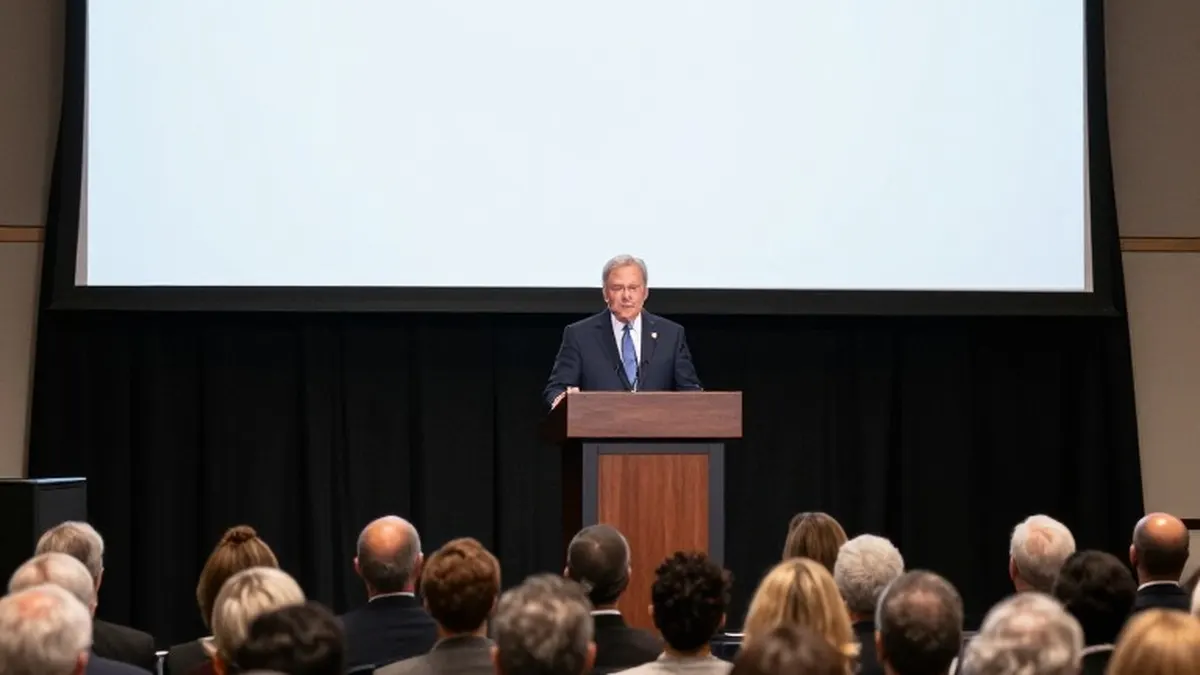
The documentary NAZA has triggered a significant cultural and political shift in Israel, with its impact becoming apparent during the Yom Kippur holiday earlier this year. Although few Israelis had seen the film when it premiered at the Venice film festival in September, discussions about it became ubiquitous among neighbors and friends in the following days. Nadav Weiman, executive director of the veteran-led NGO Breaking the Silence, noted that the reaction was largely hostile, even among more liberal peers, but the sheer volume of conversation marked a turning point for public discourse on the war in Gaza.
Produced by the Guardian, NAZA features anonymous interviews with 24 army intelligence officers on rooftops across Tel Aviv. The film details the mass killing of Palestinian civilians in Gaza over the past three years and the military's secret signoff system known as nezek agavi. This term refers to the expected number of civilian casualties in an attack, effectively treating human life as collateral damage. The film has been viewed by more than 1.5 million people in cinemas and has received numerous awards, but it has not yet been screened in Israeli theaters due to severe backlash.
Weiman, who has spent over 20 years exposing the realities of life in the occupied territories through soldier testimonies, was surprised by the film's rapid resonance. He attributes this to the fact that it is a Hebrew-language production directed by Israelis, featuring evidence from prestigious, mostly desk-based intelligence units rather than frontline troops. These officers, many of whom live in Tel Aviv and work in the hi-tech sector, are seen as relatable figures who participated in killing hundreds of Palestinians from the air, a reality that strikes a particular nerve within Israeli society.
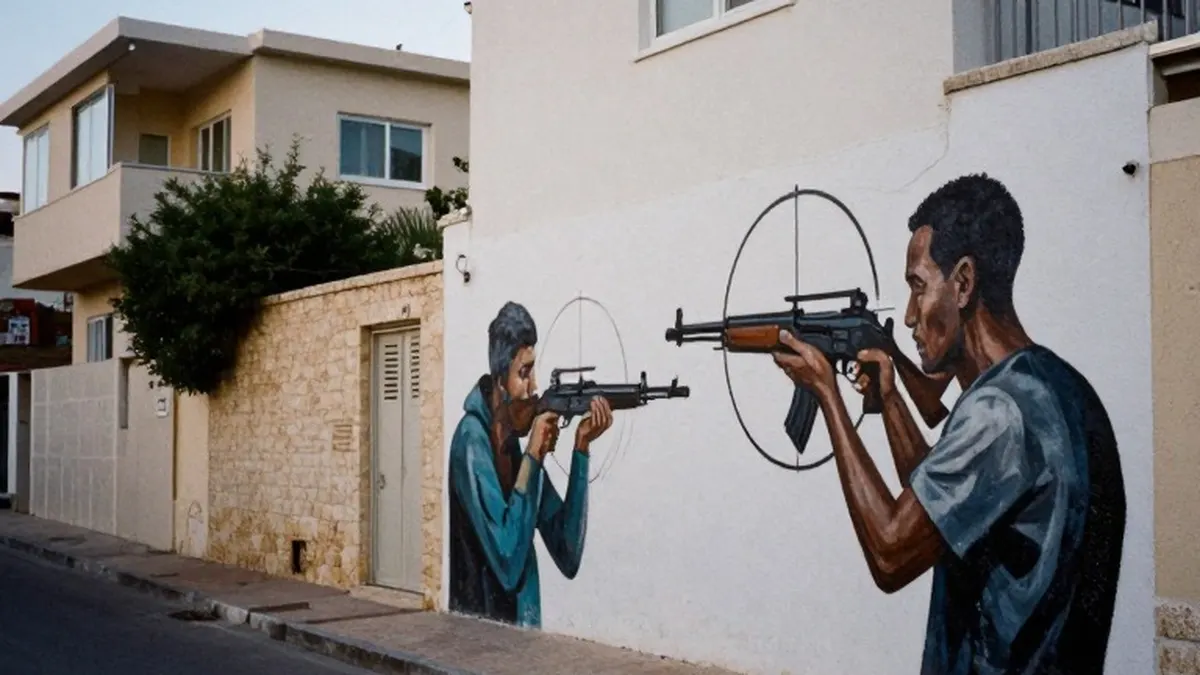
The political climate has further amplified the controversy. With national election campaigns underway, the right wing has leveraged the film to reinforce a narrative that outsiders are targeting Israel. Military Chief of Staff Eyal Zamir stated that the military would use every tool at its disposal against the film, while protests outside the home of director Rachel Szor demanded she face the death penalty. A mural depicting the filmmakers through the sights of a gun appeared in Ashdod, and Prime Minister Benjamin Netanyahu vowed to try to strip their citizenship.
This intense reaction mirrors previous campaigns against Breaking the Silence, which was banned from schools in 2018 and had its funding targeted. Weiman argues that the military and political establishment seek silence to maintain a culture of willful ignorance. For many Israelis, where military service is compulsory, hearing uncomfortable truths from friends or relatives is difficult. When soldiers speak out, they are often labeled traitors for breaking the unspoken rule that such conversations should remain within the system.
Weiman contends that NAZA proves the issues are systemic rather than isolated incidents. The testimony of 24 officers individually describing the same processes makes it harder for the military to dismiss the findings as the work of bad apples. Since the events of October 7, 2023, more than 200 soldiers have provided testimonies to Breaking the Silence. Many initially went to fight Hamas and secure hostages but found themselves executing orders that resembled revenge, including burning homes and using Palestinians as human shields.
The stream of testimonies increased significantly after the first ceasefire in January 2025 and accelerated further after the final hostages were returned. While Breaking the Silence keeps testifiers anonymous to protect them, the current climate of fear has led to a demand for even more assurances before soldiers agree to speak. Weiman believes that international pressure, such as the recent UK sanctions and previous US measures, helps shift the domestic conversation by making it harder to dismiss the problems.
Despite the lack of a clear majority in the recent elections, with Netanyahu’s bloc winning the most seats, Weiman remains hopeful. The phrase NAZA has entered the national lexicon, indicating a growing thirst for public debate. As the film becomes available for free streaming in early December, Weiman and other activists intend to keep the conversation alive, emphasizing that the movie is about Israel itself and that the country needs to change.