Permafrost, the frozen soil beneath about 15% of land across the Northern Hemisphere, is thawing, and its role in the climate puzzle is far less settled than many people assume. Two recent in-depth stories from MIT Technology Review, reported by James Temple in the boreal forests of Alaska, explore how this material could influence warming now and in the future. Three themes stand out from that reporting.
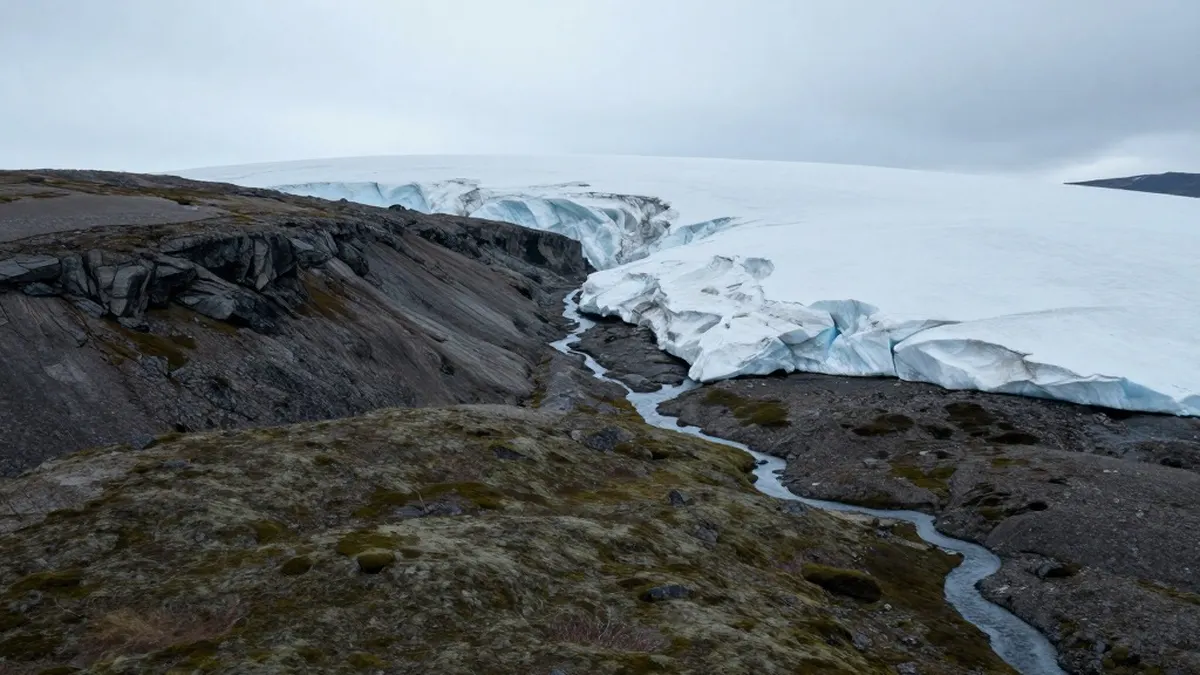
The first is that permafrost is a major blind spot in climate science. Ground technically needs to stay frozen for only two consecutive years to qualify, but most existing permafrost formed during the last ice age. Organic material in it has been locked away for thousands of years. As temperatures rise and the soil thaws, microbes can break that material down and release carbon dioxide and methane, both powerful greenhouse gases. The result is a feedback loop that speeds up warming further.
That process is already under way. Since 1850, the footprint of Arctic permafrost has shrunk by about 12%, and the pace has quickened over the past 50 years. Yet only a minority of the models used in UN climate reports account for the gradual loss of permafrost, and none include the abrupt thaw and collapse that can follow heat waves and fires. Efforts are under way to ensure future UN reports reflect the growing body of science, but for now the planet is probably warming faster, and by more, than projections suggest.
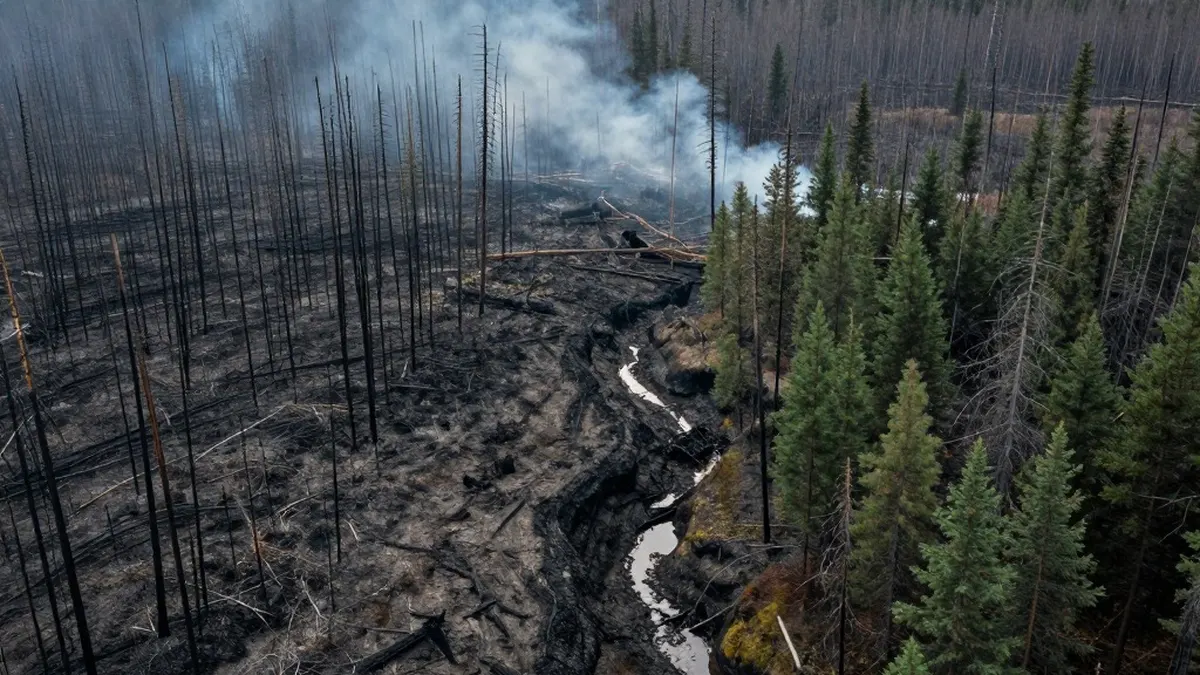
The second theme is the role of wildfire. Fire is a natural part of the life cycle of boreal forests, but climate change is making blazes more intense, and fire can accelerate permafrost thaw. By the end of the century, that effect could release the equivalent of 80 billion metric tons of carbon dioxide.
Across remote parts of Canada and Alaska, the general policy is to let wildfires burn unless they threaten human habitats. Some researchers argue that fighting these fires should be explored as a way to protect the carbon stored in forests and the permafrost beneath them. Scientists at the Woodwell Climate Research Center are building a map of burn risk and carbon vulnerability across Alaska, identifying where fires are most likely to spread and where the types of permafrost most prone to large emissions are found. One of those types, yedoma, is a deep, carbon-dense form dating to the late Pleistocene.
Once priority areas are identified, the harder question is what to do. Some people propose more prescribed burns, a practice Indigenous groups have used for thousands of years, partly to lower the risk of massive fires. Others suggest directing resources toward early detection and putting out fires before they grow.
The third theme is that the carbon cycle of permafrost is extraordinarily complicated. About 1.5 trillion tons of carbon are stored in permafrost, roughly twice the amount in the atmosphere. Thawing can release that carbon, but other effects may partly offset the losses. As the climate warms, plants can spread northward into places where they could not previously grow, and as they grow they absorb atmospheric carbon, at least partially locking away what was emitted.
Researchers are still trying to understand this ecosystem, and the picture grows more tangled as they learn more. How much carbon a given area loses, and how much it later recovers, depends on many factors: how severe the fires that sped up local thawing were, what the local climate and environment are like, and which kind of permafrost is involved.
The broader lesson, as the reporting frames it, is that the more the planet's temperature is pushed upward, the more humanity interferes with natural processes that scientists are only beginning to understand. The coverage was published in The Spark, MIT Technology Review's weekly climate newsletter.