Dolores Huerta, the civil rights icon who popularized the rallying cry "Sí, se puede!", has died at the age of 96. Her death on Wednesday prompted tributes from activists, lawmakers and civil rights leaders who praised her long and lasting legacy.
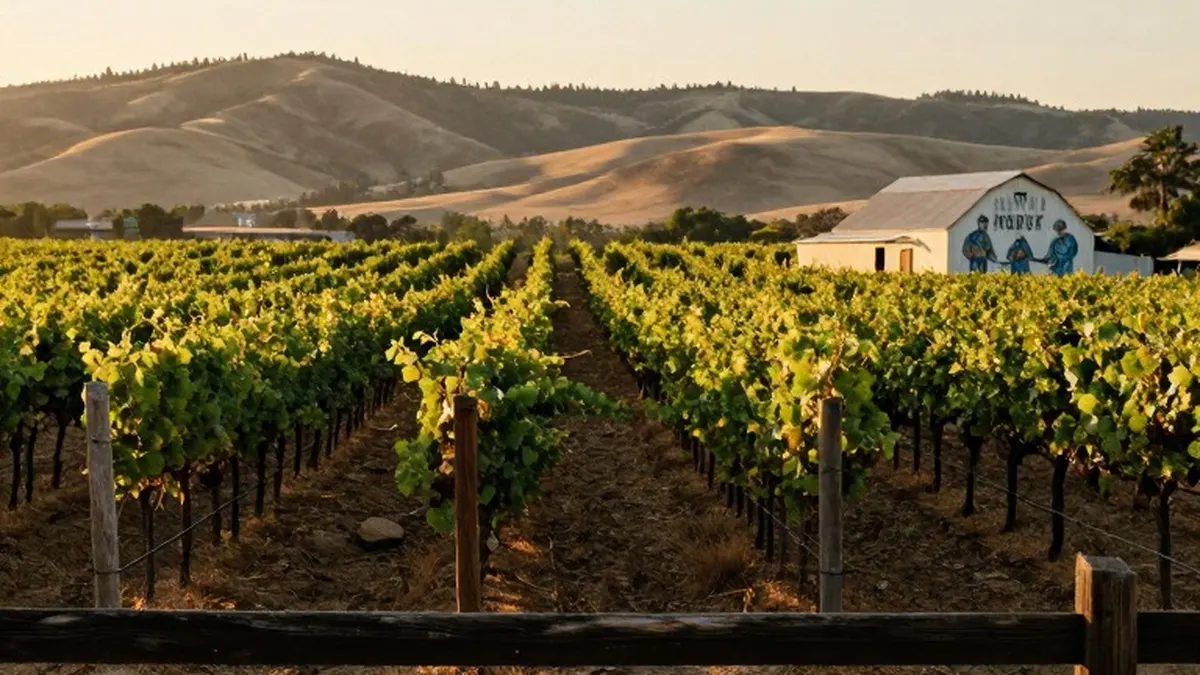
The loss was felt most deeply in California, where Huerta helped found the United Farm Workers (UFW) union. It was in the state's central valley that she built the foundations of the organization and helped organize the 1965 Delano grape strike, a national boycott of table grapes that led to better wages and working conditions for grape pickers. Several California schools carry her name, murals across the state depict her likeness, and in 2018 the state declared 10 April, her birthday, Dolores Huerta Day.
Her influence reached well beyond California. Her portrait hangs at some US embassies, and schools in several states are named for her. She helped negotiate national immigration policy and stayed closely involved in promoting civil and labor rights in Washington DC and around the country until her death.
UFW president Teresa Romero said: "Our greatest monument to her memory is for the union she helped found to continue to grow. Dolores fought for farm workers to the very end of her life." Hector Sanchez Barba, president of the voter mobilization group Mi Familia Vota, called "Sí, se puede" "a living call to action that continues to unite and inspire millions across the world."
Political leaders from California also paid their respects. Former House speaker Nancy Pelosi described Huerta as a dear friend whose rallying cry inspired generations of Americans to believe in collective action. Former vice-president Kamala Harris said she was proud to have organized alongside Huerta for working families and immigrant rights. Governor Gavin Newsom said Huerta "represented the best of us," and Senator Alex Padilla said the best tribute was to carry on the work by standing with workers and defending civil rights.
Xavier Becerra, the former California attorney general and former US health secretary who is running for governor, said: "Dolores never let us forget where she came from." Representative Alexandria Ocasio Cortez of New York said Huerta kept organizing for the rights of working people, women and immigrants for decades after the Delano strike.
Several women in public life credited Huerta with shaping their careers. State senator Eloise Gómez Reyes, who brought the 2018 legislation creating Dolores Huerta Day, said Huerta taught generations that they did not have to accept the world as it was. Hilda Solis, the former congresswoman who became the first Latina cabinet member as Barack Obama's labor secretary, thanked Huerta for her mentorship and said she had shown her what was possible.
For years Huerta was regarded as the second-in-command to UFW co-founder César Chávez. She spoke about fighting sexism within the movement and often having to cede credit to Chávez. Earlier this year, after a New York Times investigation uncovered a pattern of sexual abuse of women and girls by Chávez, Huerta revealed that he had raped her as well. She said she had stayed silent because she believed exposing the truth would hurt the farmworker movement she had spent her life fighting for.
After she shared her story, she found that her fear did not come true. Officials across the US looked into renaming streets that had borne Chávez's name for Huerta instead, and murals centered on Chávez were replaced with her image or with scenes of the broader farmworker movement.
Actor Rosario Dawson, who portrayed Huerta in a 2014 biopic of Chávez and cofounded Voto Latino, called her a "mentor and a beacon of light." Dawson said Huerta's guidance transcended generations, nationalities and borders, and that she never backed down.