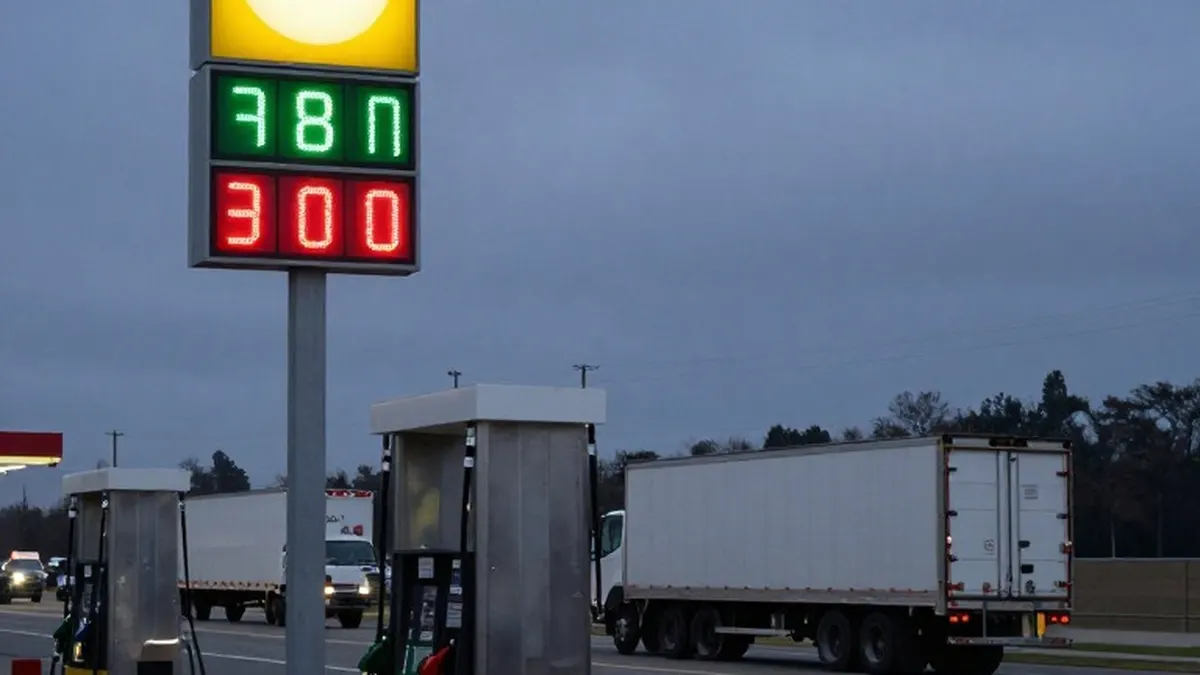
The Federal Reserve, led by Chairman Kevin Warsh, has pledged to defeat high inflation, but the newest inflation snapshot shows that victory will not come quickly or easily. The consumer-price index climbed sharply for a third straight month in October, pushing the unofficial 12-month inflation rate to a three-year high of 4%.
The disappointing report immediately led Wall Street to pencil in another interest-rate increase when the Fed meets in December. Investors now see a 100% chance of a hike, and some are even wagering on an aggressive half-point move.
What alarmed observers was not just the size of the increase. It was evidence that inflation had spread beyond energy and deeper into the economy, with prices rising for virtually all goods and services last month. "Price pressures had been concentrated in a few categories, but the latest data suggest that these pressures may be broadening," Fed governor Michelle Bowman acknowledged in a speech after the report.
Since taking over as Fed chairman in May, Warsh has repeatedly promised to restore "price stability" by bringing inflation back to the bank's 2% annual target, a goal the Fed has missed for more than five years. Through the summer, most of the rise in inflation appeared tied to surging oil and gas prices after the war with Iran. Most companies initially resisted passing higher energy costs on to customers already worn down by years of rising prices, but business leaders and economists warned that could not last, and they appear to have been right.
If energy were the only problem, a cautious Fed might simply wait, since oil prices rarely stay high for long. In the last two weeks alone, the price of U.S.-traded oil has plunged 17%, to $86.45 a barrel from $104. But oil is not the only problem.
The Trump administration imposed new tariffs last spring after the Supreme Court struck down the original ones, and tariffs have added to the cost of goods for four straight months. The boom in artificial intelligence has also become a surprising inflation source, lifting prices for construction materials, computer chips and other products needed to build data centers. On top of that, consumer spending rose in the spring and summer instead of cooling as expected. "The CPI data shows that inflation remains hot and it's not just energy, or tariffs, or even AI-related bottlenecks," said Sonu Varghese, global macro strategist at the Carson Group. "It's a much broader problem."
The economy's strength is visible in robust spending on dining out and travel, the kind of discretionary purchases Americans usually cut first in hard times. "Higher airline fares haven't slowed the demand for flying," noted Jeffrey Roach, chief economist at LPL Financial in Charlotte, N.C. Together these pressures suggest prices will keep rising through the end of this year and into early 2027, likely forcing at least a few more Fed rate hikes.
Many economists believe inflation could start to fade by next spring. Cheaper oil would help roll back recent increases, the AI boom could lose momentum amid public resistance to data centers, Democratic efforts to rein in the industry and the stunning resignation of Nvidia CEO Jensen Huang, and the tariff effect may fade if Democrats roll back some of them after taking control of the House and Senate in January.
Not everyone is convinced. Fed governor Chris Waller, an influential voice at the central bank, said energy and AI effects could linger, citing high insurance costs for shipping oil through the Middle East and persistently high diesel prices, which reflect a global shortage of refining capacity. "Diesel remains eye-wateringly expensive," said Thomas Simons, chief U.S. economist at Jefferies. "Fed research indicates to me that energy price pressures may pass through to goods and services in a more sustained way than in the past," Waller said. "Their findings do not encourage me to think that these factors will be fading anytime soon," he added, saying he is open to a more aggressive rate hike in December.