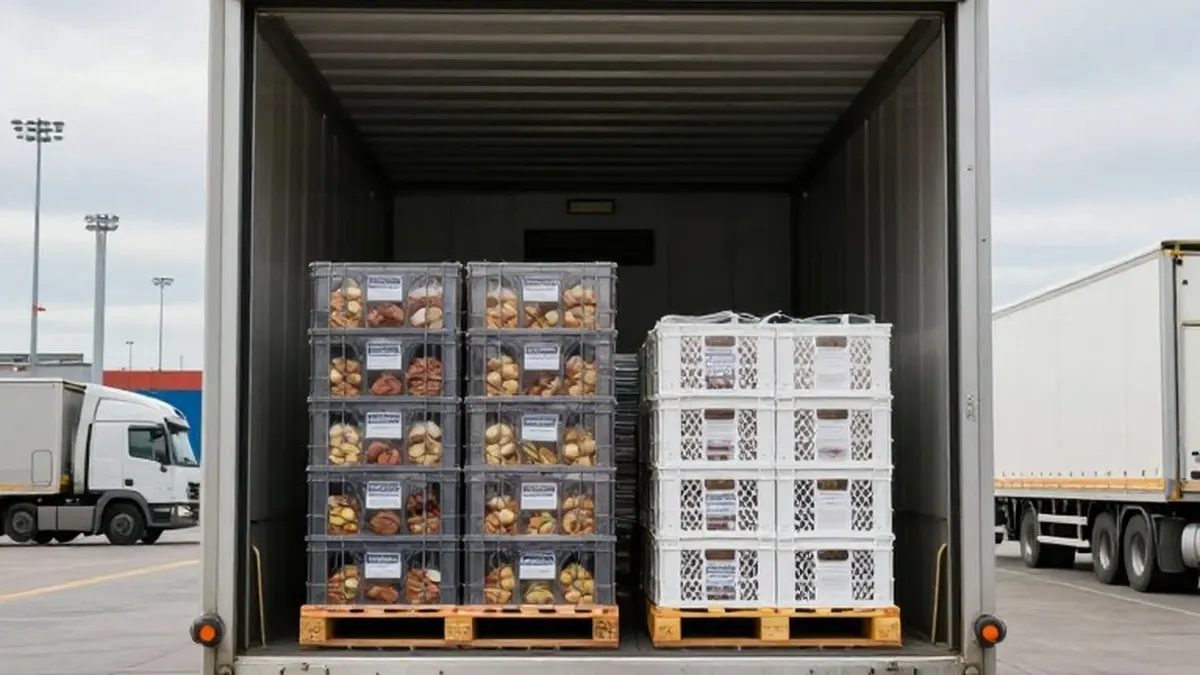
Britain and the European Union have finalised an agreement to remove Brexit checks on food and animal product imports and exports, covering goods including sausages, cheese, leather products and flowers. The sanitary and phytosanitary agreement, known as SPS, is expected to ease trading costs and paperwork, although it is not due to take effect until the first quarter of 2028.
British food exporters stand to benefit after their trade with Europe fell by a third compared with 2019. Smaller British retailers, including delicatessens, will also be able to resume ordering modest quantities of cheese and wine, purchases that became unviable because of the cost of checks introduced in 2022. In October, the National Farmers’ Union reported that British food exports to the EU had declined by a third since Brexit, with eggs, chicken and potato products suffering the biggest impact.
Sources said negotiations on the 200-page food trade text had concluded. EU ambassadors will receive it at a meeting on Wednesday, when they will also consider an initial draft of the joint statement that Andy Burnham and EU leaders are due to issue on 20 November. The change in British prime minister pushed that second EU-UK summit back by six months, contributing to the delay in implementing the agreement.
Much of the SPS agreement had already been settled in May, when the government published it to give food producers an opportunity to prepare. The Department for Environment and Rural Affairs initially anticipated implementation in May 2027. Defra has since told industry leaders that the start could move to 2028, followed by another six-month transition for a small number of important products. These include grains grown this year using fungicides that have yet to receive EU approval.
Implementation requires Britain to bring its food standards legislation into continuing alignment with EU rules. British standards have largely remained consistent with those of the bloc, but differences have emerged in areas including fungicides used to support crops in wet British conditions. The necessary legislation is expected to revive the Brexit debate about Britain accepting rules rather than setting them. The framework would also end the requirement for Northern Ireland retailers to mark products as “not for the EU”, a labelling process previously criticised by supermarket groups including Marks & Spencer.
The draft summit statement also covers a proposed youth experience scheme, which remains under negotiation. Ambassadors are expected to examine a late British proposal on tuition fees for young Europeans. Two weeks ago, concern over Britain's insistence on full international fees for EU students prompted ambassadors to discuss separating that issue from the wider talks and allowing another six months for negotiations.
Officials began discussions in London earlier this year with the aim of cutting Brexit paperwork on both sides. In evidence to the parliamentary trade select committee, a transport industry leader described a truck carrying frozen beef being stranded in Calais for as long as 27 days because it lacked the correct certificates.