The United Kingdom has imposed sanctions on 15 commanders from both sides of Sudan's war, including figures linked to a campaign of mass sexual violence in the Darfur city of el-Fasher. The UK Foreign Office announced the measures on Monday.
Those named belong to the Rapid Support Forces (RSF) and the Sudanese Armed Forces (SAF). Each will face a travel ban and an asset freeze.
Foreign Secretary Ed Miliband said the sanctions were aimed at "suspected atrocities" committed by both parties to the conflict. In a statement, he pointed to the anniversary of the el-Fasher assault. "A year on from the atrocities in El Fasher, UK-funded investigations have shown that rape and starvation are still being weaponised against the people of Sudan," he said. He added that the perpetrators must be held accountable and that support from all external backers to the warring parties must end.
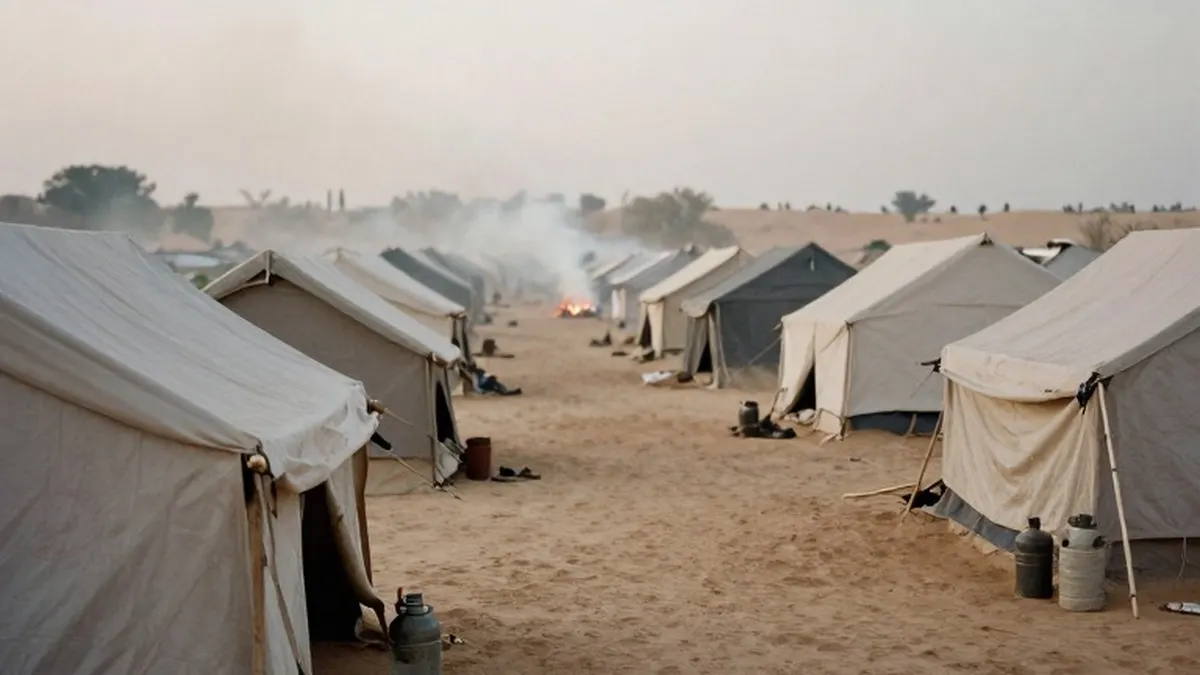
The RSF launched its final offensive on el-Fasher on 26 October 2025, after a siege that had lasted more than 500 days. What followed was the largest single massacre of Sudan's war, which began in April 2023 between the RSF and the SAF and has produced the largest humanitarian crisis in the world.
Researchers at Yale's Humanitarian Research Lab said the speed and industrial scale of the killing could only be compared to the whole of the Rwandan genocide. RSF fighters, who are backed by the United Arab Emirates, filmed themselves massacring civilians. The UAE continues to deny any involvement.
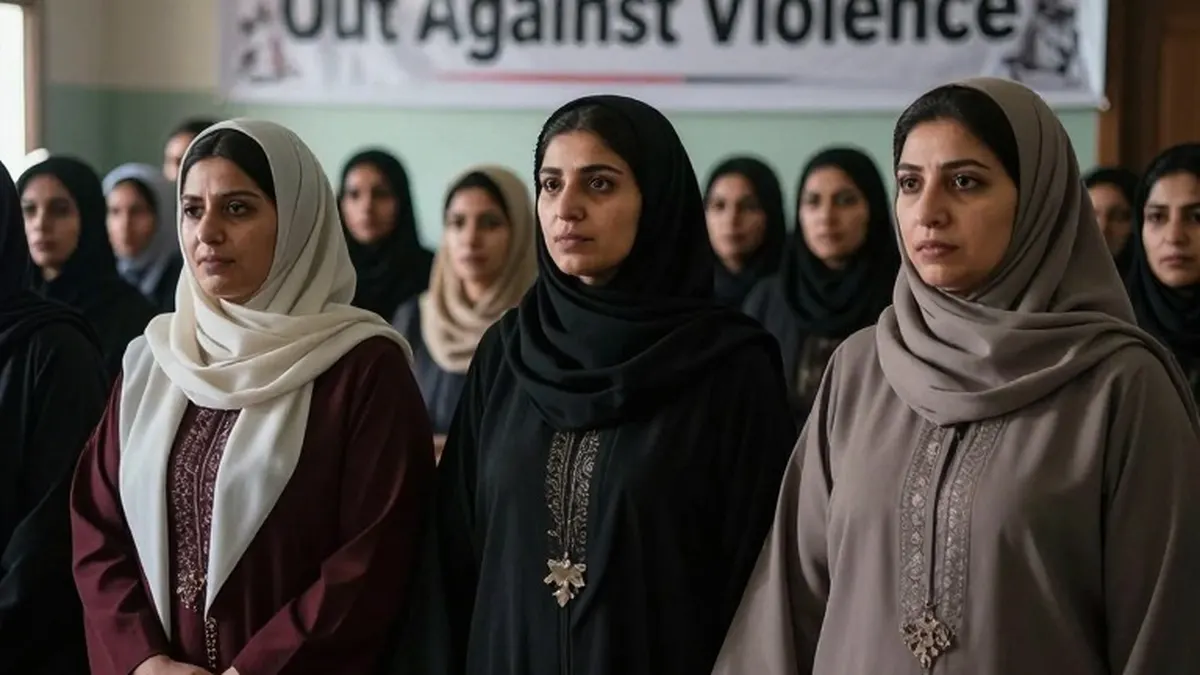
Survivors have described RSF fighters raping young women and girls and executing civilians. They also reported that survivors were moved to makeshift clinics where blood was taken from them, and that ordinary people and their families were extorted.
The Foreign Office said the new sanctions would help ensure "the horrors that took place at El Fasher will be known to the world".
British officials have previously faced criticism for failing to hold the UAE, a close ally, to account over its alleged support for the RSF. The UN's fact-finding mission has found reasonable grounds to believe that private companies and recruiters operating from the UAE have routed supplies through Chad and southeastern Libya, as well as Bosaso in Somalia.
Middle East Eye has reported extensively on this supply network, as well as on the use of army bases in Ethiopia to assist the RSF.