Ukraine is expected to reach relatively large-scale production of a countermeasure against Russian jet-powered Shahed drones by the end of 2026, according to Serhii Sternenko, a volunteer and former adviser to Ukraine's defence minister. Speaking to Ukrainska Pravda, he described that timetable as a rapid advance.
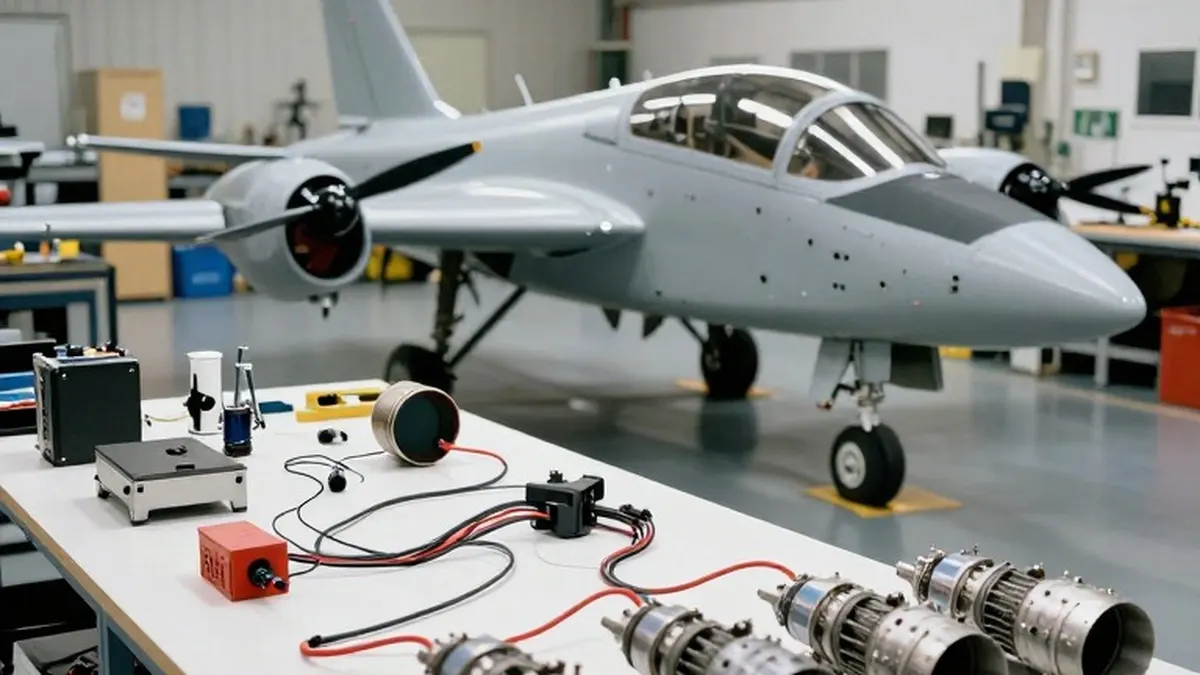
Sternenko said several interceptor types are currently being developed or manufactured in Ukraine. Their readiness varies, with some still at the prototype stage and others being produced in small or medium batches. The designs include aircraft driven by electric motors as well as interceptors equipped with small jet engines.
Electric-powered interceptors have made the greatest progress in production, he said. However, Sternenko considers them the least promising option for the threats Ukraine will face next because of limits on their speed. He estimated that these interceptors could reach between 550 and 600 kilometres per hour and sustain their maximum speed for at least several minutes.
Interceptors using turbojet engines offer greater promise in his assessment, but manufacturing them is more difficult and costly. The need for suitable engines is a particular complication. Ukraine already produces some electric motors domestically, although not all of them, while the situation with turbojet engines is more challenging, Sternenko said.
The government recently approved a decision intended to make turbojet engine production in Ukraine easier, he added. Nevertheless, he said the hoped-for simplification would not happen soon, leaving that part of interceptor production more complicated.
Looking further ahead, Sternenko favours developing a multipurpose aerial platform. He suggested a turbojet-powered drone roughly comparable in size to a Geran or Gerbera that could carry several kinds of weapons. These could include machine guns, interceptors and small guided anti-aircraft missiles.
For now, he said, Ukraine is moving towards a production run of electric-powered interceptors alongside a smaller run of jet-powered versions. Among the latter is the Bars drone missile, a jet-powered weapon that has been modified and is also being used to intercept aerial targets.
Sternenko described the Bars approach as adapting a weapon that combines characteristics of a missile and a drone for interception duties. He said that adaptation had worked, while reiterating his view that future development should centre on aerial platforms capable of carrying other weapons.