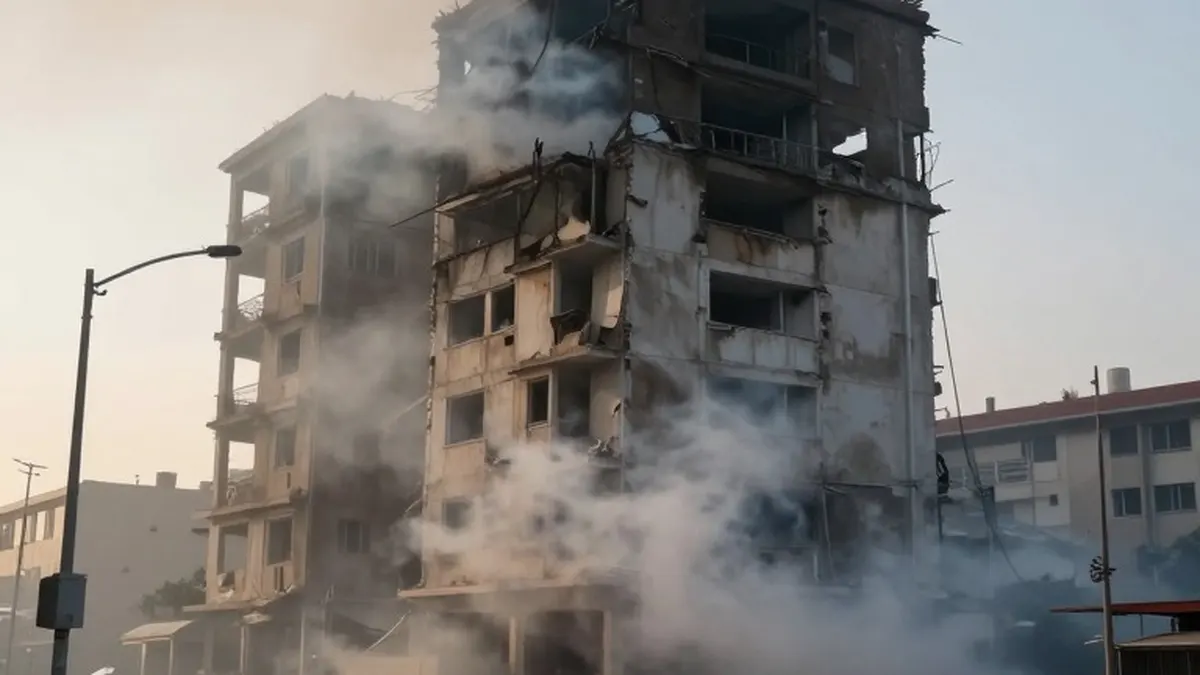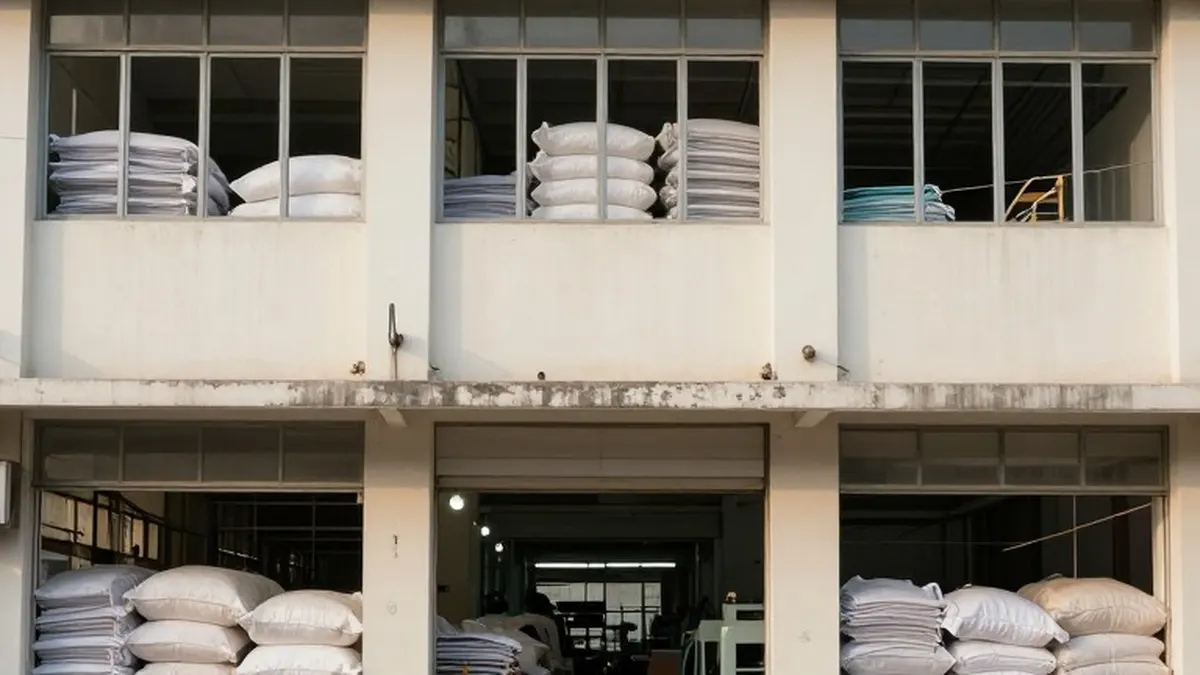
The United States government executed a planned detonation on Wednesday to eliminate an aging stockpile of lead-based explosives at a US Army munitions facility. The operation took place at the Iowa Army Ammunition Plant in Middletown, where residents in the surrounding farming community were instructed to remain indoors to protect themselves from potential toxic dust generated by the blast.
This controlled explosion occurred just days after a period of intense public debate and legal challenges regarding the controversial disposal strategy. Authorities maintained that the detonation was the safer option compared to the risk of the deteriorating chemical drums exploding spontaneously over time.
Shortly after the scheduled 9 a.m. Central Standard Time detonation, the Federal Emergency Management Agency, or FEMA, issued a statement on its social media account. The agency confirmed that the operation had been carried out and advised nearby residents to continue sheltering in place as a precaution until further notice.
In a message posted on X, formerly known as Twitter, FEMA directed residents within a 20-mile radius who had not already evacuated to stay indoors. The agency urged them to follow safety guidance from the Environmental Protection Agency, or EPA, until officials provided an all-clear. FEMA also noted that it had arranged safe lodging for those who chose to leave the area prior to the blast.
Officials did not immediately provide a detailed assessment of the detonation's success. The Army had planned to dispose of nearly five tons, or 4,500 kilograms, of degraded and highly unstable lead azide. This material was stored in 68 plastic barrels that were in a state of deterioration.
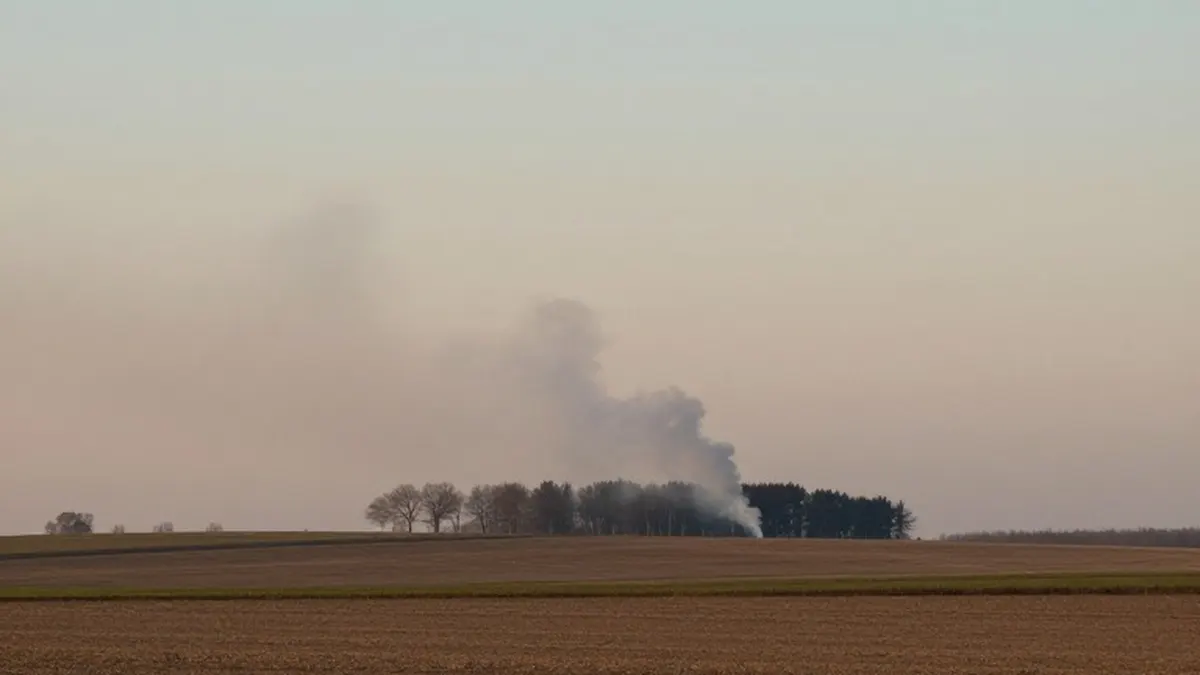
A live television feed from the site captured the moment of the scheduled detonation. Viewers heard the sound of an apparent explosion, and a thin wisp of gray smoke was observed rising into the dawn-lit sky from behind a line of trees. The smoke quickly dissipated after becoming visible.
Public safety concerns in the region had centered on the potential release of a toxic lead dust plume. Residents worried that the explosion would send harmful particles over local homes, agricultural crops, and livestock beyond the boundaries of the detonation site.
The Iowa Army Ammunition Plant in Middletown is located approximately 150 miles southwest of Des Moines, the state capital. The area has been the focus of significant attention due to the hazardous nature of the stored materials and the proximity of residential areas to the facility.
The detonation was part of a broader effort to manage the risks associated with the aging inventory at the depot. By removing the unstable lead azide, the military aims to reduce the long-term safety hazards for the surrounding community and the environment.
As the morning progressed, local officials continued to monitor the situation and communicate with the public. The immediate priority remained ensuring that residents stayed protected from any residual dust or airborne particles until the air quality was deemed safe by environmental experts.