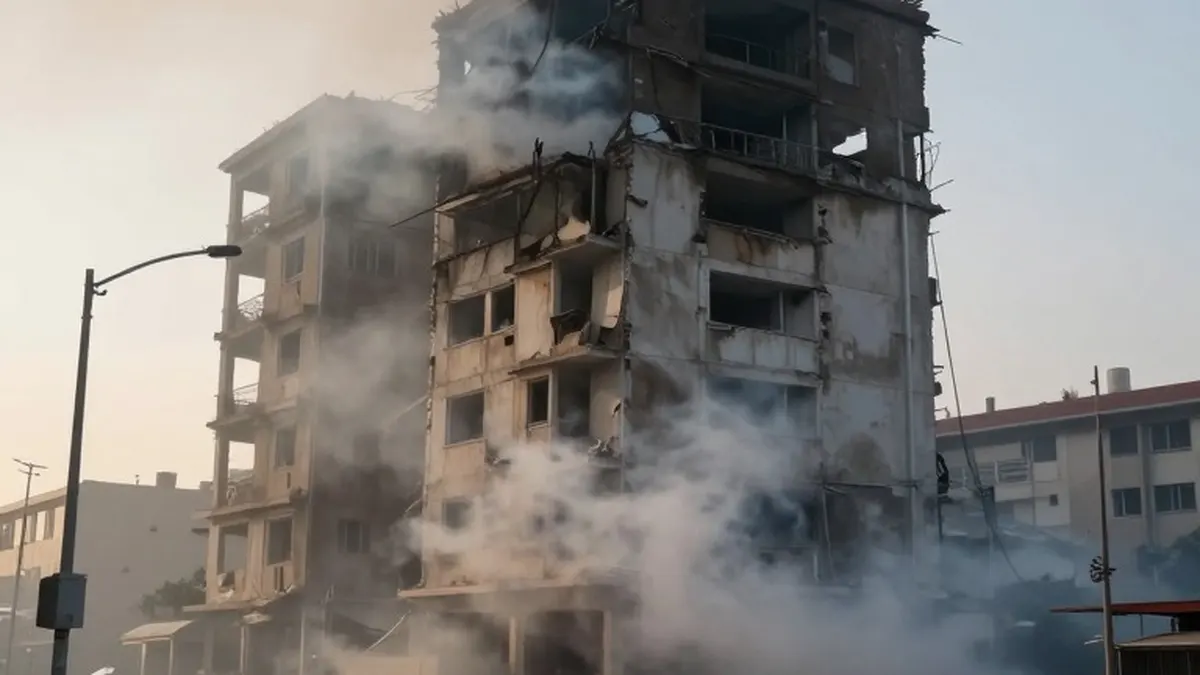
The US military has described the controlled detonation of nearly five tonnes of toxic explosives in Iowa as a huge success. The operation, which took place on Wednesday, involved a highly volatile compound that had been in storage for approximately two0 years. Officials stated that the explosion was designed to mitigate significant health and environmental risks that had caused widespread anxiety across the region.
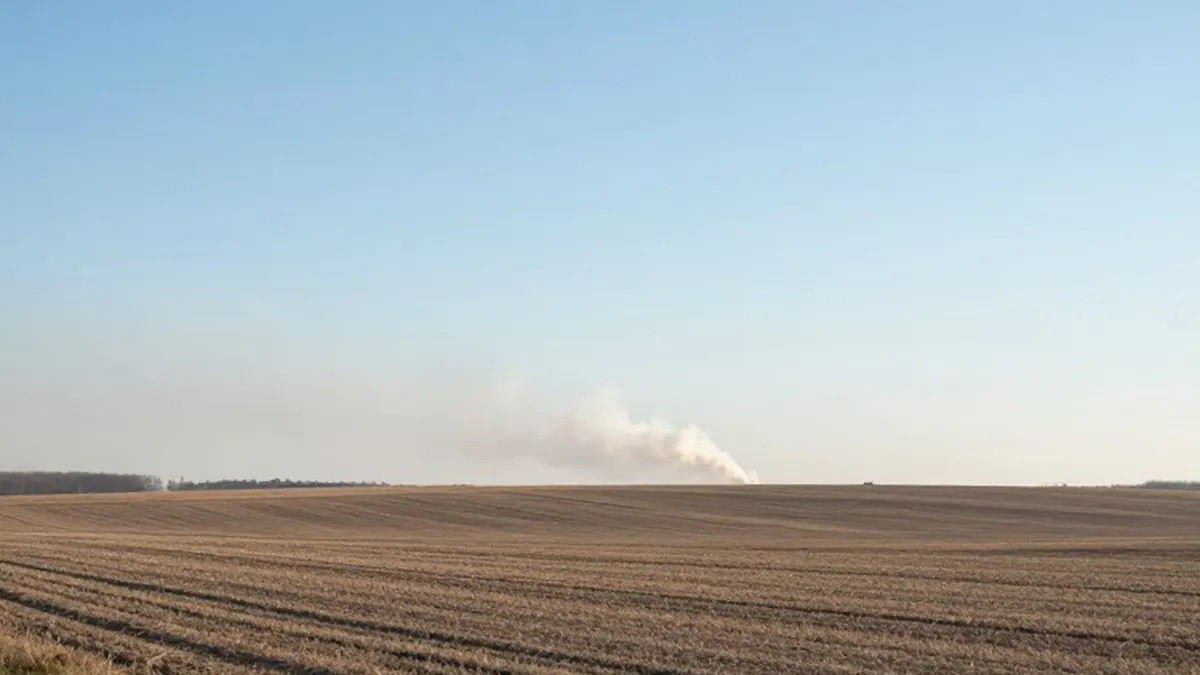
Smoke rose into the sky shortly after 09:00 local time, which corresponds to 14:00 GMT, following the blast. The Army declared the risk level to be as close to zero as is humanly possible. President Donald Trump noted that reports indicated the mitigation efforts far exceeded expectations. Adam Telle, the acting secretary of the US Army, posted on social media that the operation exceeded all expectations and called it a huge success. He added that the Environmental Protection Agency is closely monitoring a massive sensor array in the area, with no readings above zero so far.
The explosives were lead azide, a compound that had degraded through a process known as recrystallisation. This degradation made the material more responsive to accidental detonation from friction or movement. Plans for the detonation had been paused multiple times due to public outcry and legal challenges. In recent weeks, the Army scheduled and rescheduled the event ahead of colder winter temperatures, warning locals of potential exposure to toxic lead dust. These warnings led to some panic and prompted the institution of an optional evacuation zone and a shelter-in-place advisory.
Despite the initial concerns, officials have reported promising lead readings in the area. No level of lead exposure is considered safe, particularly for children and pregnant women. Middletown Mayor Rodney Johnson, who watched the blast from his job at a manufacturing plant eight miles away, said he felt relieved and vindicated. He monitored a camera at his home, which is just one mile from the detonation site, and reported that residents did not feel or see anything. He stated that the Army's controlled and mitigated detonation was a clear success.
Residents in the surrounding area described a quiet experience. Sandy Mabeus, living eight miles from Middletown, closed her windows and brought her cat inside before hunkering down. Her family watched three separate live streams of the explosion on iPads and televisions. She told the BBC that she did not feel or hear a thing and had to check the videos to confirm the event had occurred. She expressed hope that the result was good so the community could move forward, noting that the waiting and wondering had been difficult for everyone.
David Vandenberg, an Iowa farmer living about 20 miles from the site, said he first learned of the detonation two weeks ago. The Army Corps of Engineers took samples from his yard and pond on Tuesday. Vandenberg heard a rumble around nine o'clock on Wednesday but did not see or smell anything. He expressed happiness that the blast was relatively contained and expects the effects to be minimal. He anticipates that officials will return to take additional samples.
However, some officials are urging caution. Rob Sand, Iowa's incoming Governor-elect, stated that there is more testing to do and called for immediate transparency to explain why the lead-up to the event was chaotic and unclear. He emphasized that any Iowans impacted in any way must be taken care of fully and right away. Cameron Hamilton, the administrator of the Federal Emergency Management Agency, confirmed that additional resources and testing would take place in the coming days and weeks.
The path to the detonation was not without legal hurdles. The Army faced pushback from residents and politicians, leading to legal challenges based on environmental and health grounds. On Monday, an appeals court overturned a decision to halt the blast. The court ruled that while the concerns were valid, the risk from an unplanned explosion was greater than the risk of the controlled detonation.