The United States Army has confirmed that it will execute two consecutive rapid controlled detonations of lead azide in the midwestern state of Iowa. The blasts are scheduled for 9:00 am local time on Wednesday, November 25, at the Iowa Army Ammunition Plant. This date follows a series of postponements and a recent legal intervention that temporarily halted the planned operation.
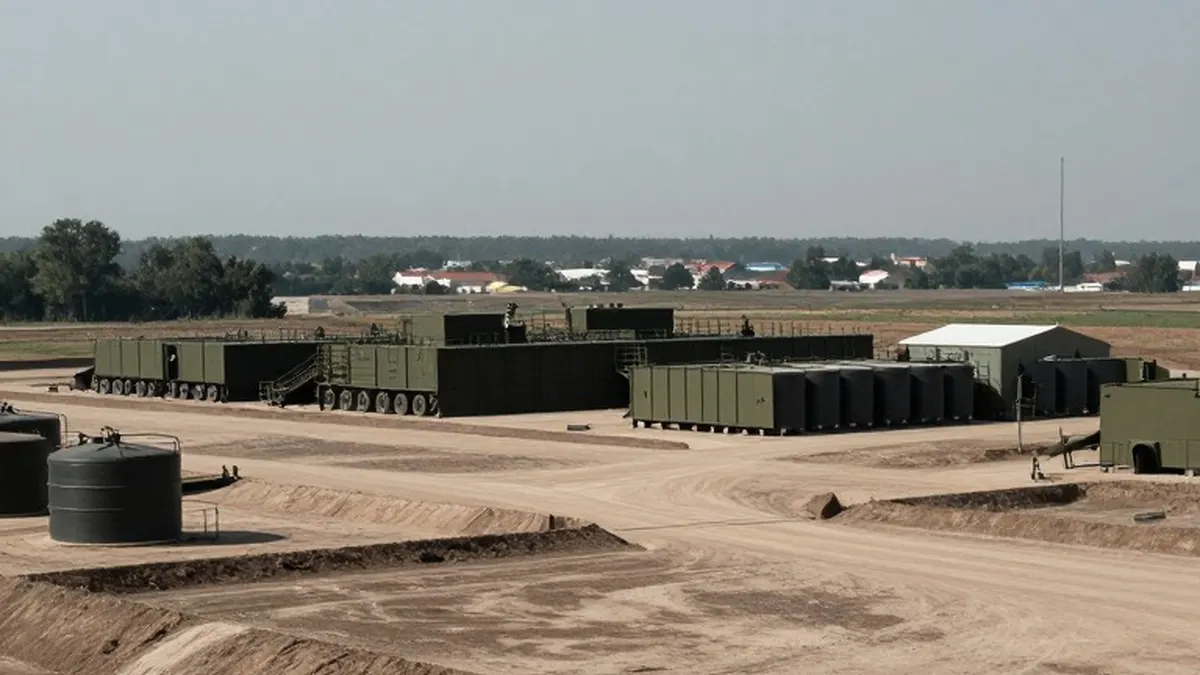
The controlled detonation aims to destroy 68 drums containing nearly 4,500 kilograms of deteriorating lead azide. This explosive compound has been used in military munitions since World War I. The facility is a sprawling 7,700-hectare installation located in the southeastern part of the state, approximately 16 kilometers west of the Mississippi River.
Major General Eric Shirley, the army official overseeing the disposal effort, stated that the military has been working closely with state and federal officials. He emphasized that inaction is no longer an option due to the increasing instability of the compound in cold weather. Shirley noted that the army has constructed earthworks around the blast site and dug cisterns to collect particles from the explosion to mitigate harm to the public.
The plan has sparked a political divide among local leaders. Iowa Governor Kim Reynolds, a Republican, expressed support for the detonation, citing the immediate danger posed by the deteriorating material. Conversely, Democratic Governor-elect Rob Sand has called for greater transparency, arguing that residents are entitled to understand how the situation arose and why this specific path was chosen. Sand has yet to officially state whether he supports the army's plans.
Environmental groups, including the Iowa Environmental Council and the state branch of the Sierra Club, have raised concerns about the release of toxic lead particles. They cited government estimates suggesting the plume could travel more than 160 kilometers. A federal appeals court had issued an administrative stay to pause the explosion earlier in the week, but that stay was lifted on Monday, clearing the way for the detonation to proceed.
President Donald Trump had previously ordered the military to hold off on the explosion, stating it could only proceed with the agreement of the federal appeals court and Governor-elect Sand. However, the lifting of the administrative stay on Monday effectively removed the final legal barrier to the operation.
In a public safety advisory issued on Tuesday, the military instructed nearby residents to turn off fans that pull in outside air and switch heating, ventilation, and air conditioning systems to a setting that blocks outdoor air intake. Residents are also advised to maximize indoor filtration after the explosion until the lead plume clears.
Questions remain regarding the extent of cleanup efforts after the blasts. Under current Environmental Protection Agency policy, professional cleanup is required when lead levels on floors exceed five micrograms per square foot or 40 micrograms on windowsills. These standards, which took effect in January, are designed to protect children and adults from the developmental and organ damage associated with lead exposure.
Bruce Lanphear, a pediatric epidemiologist at Simon Fraser University, argued that cleanup should aim to restore lead concentrations to pre-detonation levels rather than merely reducing them below regulatory screening levels. He warned that a post-detonation reading below the EPA threshold does not necessarily mean that little or no contamination has occurred.
For landowners in the projected fallout area, the detonation may lead to years of federal activity on their property. The US Army posted a right-of-entry form on November 20, which grants the government an irrevocable right to use the property as a work area for up to 36 months. This allows federal crews to bring in equipment, erect temporary structures, collect environmental samples, and install groundwater monitoring wells. While landowners are not obligated to sign, experts suggest the agreement helps shift the burden of environmental monitoring to the government.
Patrick O'Shaughnessy, a public health professor at the University of Iowa, cautioned that simply hosing off outdoor surfaces after the blast is insufficient. He explained that this action might wash lead particles into the surrounding soil, where young children could ingest them through hand-to-mouth contact. O'Shaughnessy also warned that lead can remain suspended in the air even when it appears clear to the naked eye, meaning the danger persists even after the visible dust cloud dissipates.