Families across the United States are approaching winter with concern as energy prices rise and fuel supplies tighten. The Department of Energy projects sharp increases in home heating costs compared with last winter, and some people wonder whether assistance programs can cover the gap for struggling households. The outlook is even worse in Europe, where Russia's continued reduction of natural gas supplies has pushed prices higher and caused painful shortages.
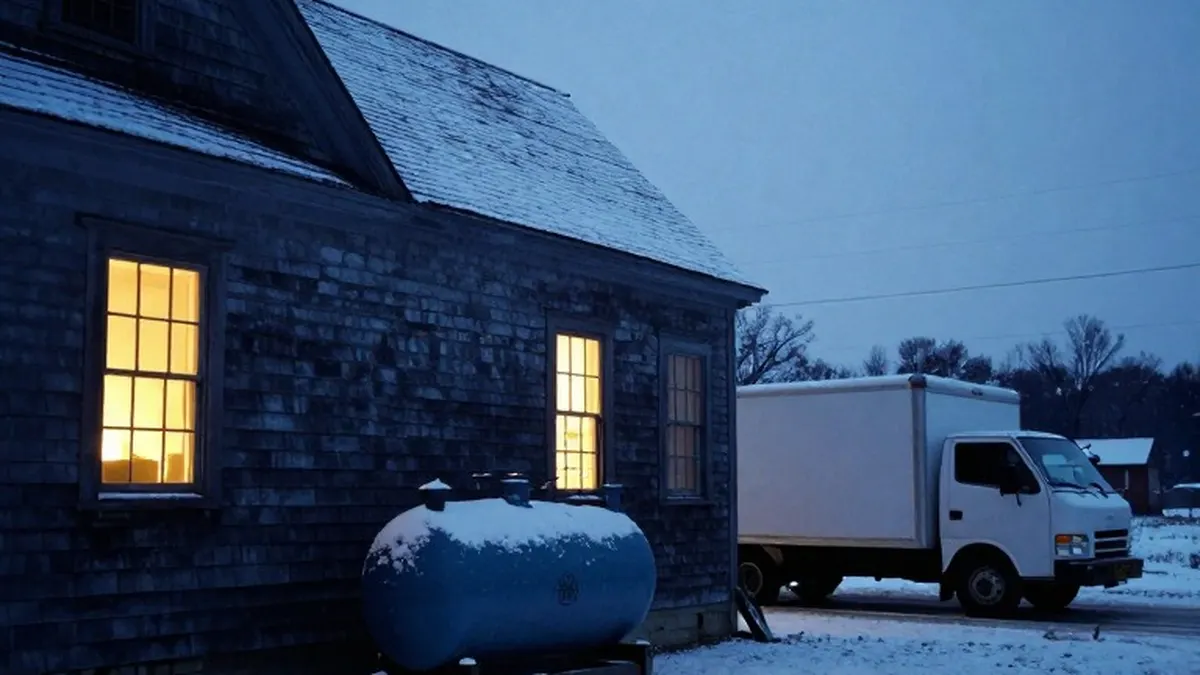
In Jay, Maine, Aaron Raymo started preparing over the summer as prices crept up. He bought heating oil in 5-gallon amounts, usually on paydays, and filled his 275-gallon tank the rest of the way with help from a heating assistance program once the weather turned colder. His family is trying to avoid having to choose between food and heat. "It's a hard one," he said. "What are you going to choose for food, or what amount of fuel oil are you going to choose to stay warm?"
Several pressures are combining. Global energy consumption has bounced back since the start of the pandemic, and supply was barely keeping up even before the war in Ukraine cut it further. The National Energy Assistance Directors Association says energy costs this winter will be the highest in more than a decade.
The Energy Department expects bills to rise 28% for households that heat with natural gas, which includes nearly half of U.S. homes. Heating oil is projected to be 27% higher and electricity 10% higher. These increases come as inflation accelerated last month, with consumer prices up 6.6%, the fastest pace in four decades.
New England faces especially sharp pain because of its heavy dependence on heating oil. The department estimates that heating a typical home with oil there will cost more than $2,300 this winter. Some advocates are urging utilities to adopt a moratorium on winter shut-offs. Congress recently added $1 billion to the Low Income Home Energy Assistance Program, bringing the total to at least $4.8 billion. That is still less than last year, when federal pandemic relief lifted the energy assistance package past $8 billion.
Senate Appropriations Committee Chairman Patrick Leahy, a Vermont Democrat, noted that the third hottest summer on record had already strained the program. "I am glad that we were able to secure these new resources before the cold of winter sets in," he said.
Jay residents were already bracing for hardship before the local paper mill announced it will close, putting more than 200 people out of work. The closure could hurt the town budget and raise property taxes. Raymo and his partner, Lucinda Tyler, both work full-time, he up to 70 or 80 hours a week in an orthopedists' office and she from home in shareholder services. They qualify for little aid despite struggling to cover repairs, gas, food and heat for their 100-year-old home. Tyler cried with relief when they were approved for even a modest amount. "We work significant hours but it seems that it's not enough," she said.
Others are asking for help for the first time. Mario Zullo, 72, of Auburn, Maine, said he had worked all his life and never sought assistance until last year, when the program helped upgrade his heating. "It came to us at a time when we needed it the most," he said.
Mark Wolfe, executive director of the energy assistance directors association, fears federal funding will fall short given high prices and unstable markets, particularly if the winter is very cold. "The crisis is coming," he said. Maine has the nation's oldest population and relies more on heating oil than any other state. Lisa McGee, who coordinates the heating aid program for Community Concepts Inc. in Lewiston, said, "People are scared. They're worried. They're frustrated. There's more anxiety this year."