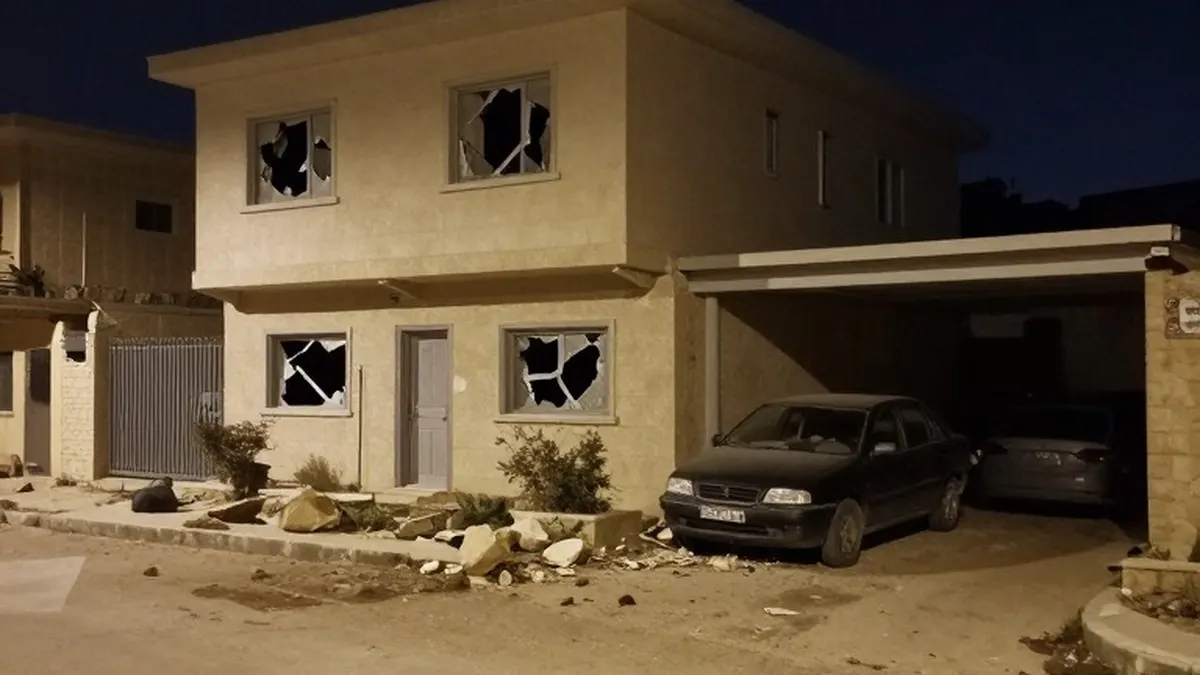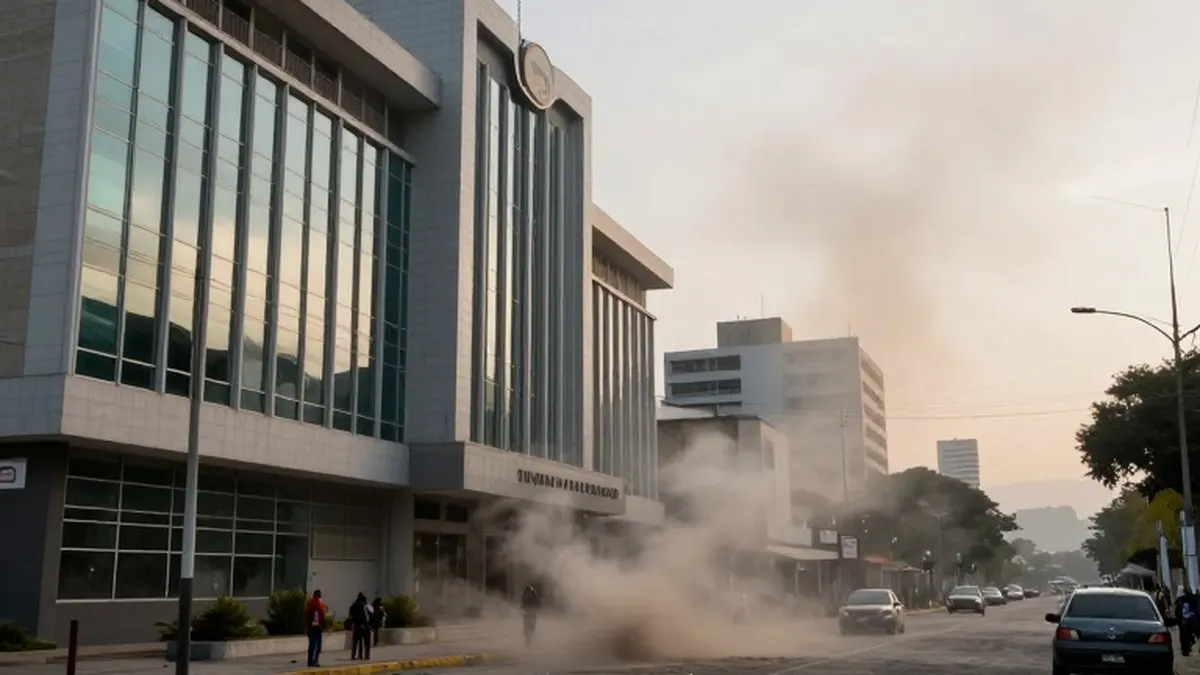
A car bomb detonated in the heart of Villavicencio, a central city in Colombia, on Monday evening, resulting in injuries to at least 23 individuals. The explosive device was set off directly in front of the offices of the regional government, causing significant damage to several nearby buildings. This incident marks the latest in a growing series of attacks that have targeted official structures and security force headquarters across the country.
President Abelardo de la Espriella attributed the blast to narcoterrorism, although he did not provide specific details regarding the perpetrators. The attack comes as armed criminal groups have recently intensified their operations, which appear to be retaliatory measures against a military offensive ordered by the current administration. In a social media post, the president stated that his government would respond bluntly and forcefully to every drop of Colombian blood spilled, asserting that there would be no impunity or retreat.
The violence in Villavicencio occurred just three weeks after a similar car bomb attack near army barracks in Tolima province killed three adults and a baby. Additionally, earlier on Monday, drones dropped explosives on the police headquarters in the northern city of Cúcuta. The timing of the Villavicencio explosion is particularly notable, as it took place on the eve of the tenth anniversary of the peace deal signed between the government and the Revolutionary Armed Forces of Colombia, known as Farc.
Following the signing of the agreement, thousands of left-wing rebel fighters laid down their weapons. However, a significant number of Farc members who disagreed with the terms of the deal refused to disarm and instead joined dissident groups. While forced displacement, child recruitment, and attacks on security forces decreased in the immediate aftermath of the deal, violence has surged in recent years.
This upsurge is driven by dissident Farc factions and criminal groups competing for control over drug trafficking, illegal mining, and extortion rackets. Colombia's first left-wing president, who served from August 2022 to August 2026, attempted to negotiate with these armed groups as part of his total peace strategy. However, those talks eventually stalled and collapsed after several criminal groups violated agreed ceasefires.
De la Espriella was elected on a platform promising to crack down on narcoterrorism, and he has been critical of his predecessor's approach. He has also described the 2016 agreement as a false peace. In a post on X uploaded shortly before news of the car bomb spread, he referred to the peace deal as a mess, a waste of public resources, and the cause behind Colombia's ruin.
Former President Juan Manuel Santos and Rodrigo Londoño, the two men who signed the peace deal on behalf of the Colombian government and the Farc respectively, defended the agreement in an interview with BBC Mundo ahead of the anniversary. Santos argued that De la Espriella was totally wrong to label it a false peace, claiming the current president has bought into a cynical theory that today's violence is the result of the deal.
Santos contended that the exact opposite is true, arguing that the primary problem lies with the lack of implementation of the agreement rather than the agreement itself. The debate over the legacy of the 2016 peace process continues to influence political discourse as the country navigates a renewed cycle of conflict.