Iranian officials have welcomed the Republican party’s heavy losses in the US midterm elections, presenting the outcome as a repudiation of Donald Trump’s war against Iran. But accounts from inside the country reveal uncertainty about whether his political setback will reduce the threat of further fighting, alongside fears that repression will persist.
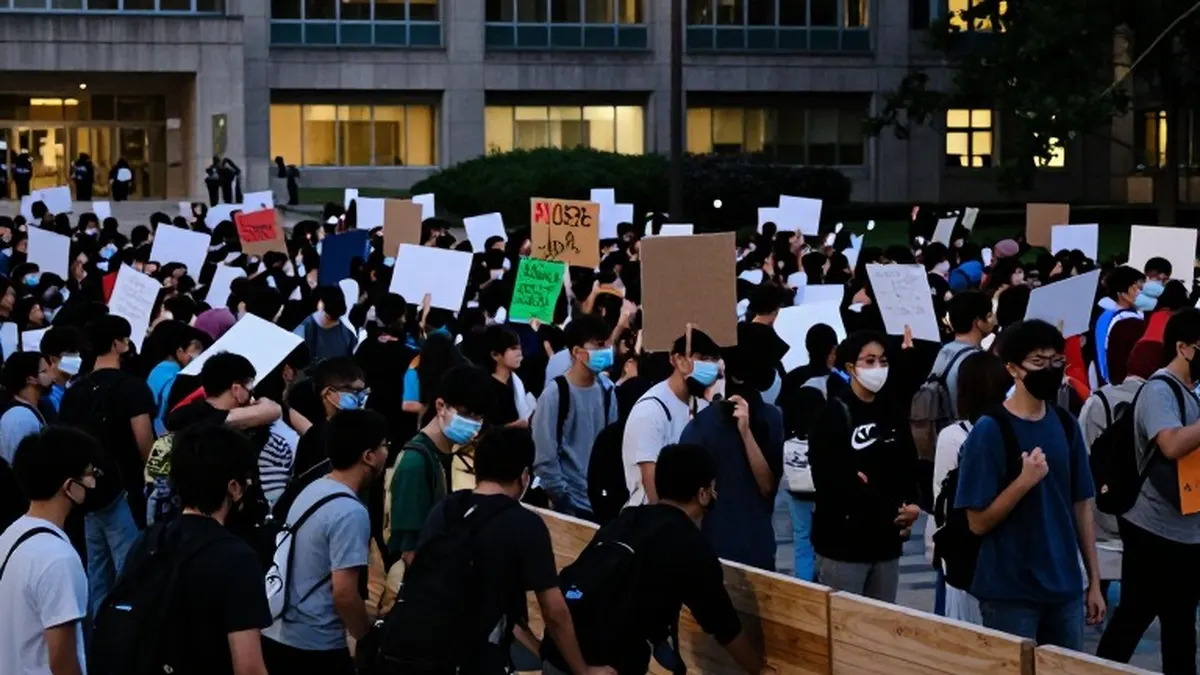
Within hours of the results, government supporters assembled in Tehran’s Enghelab Square and burned a large banner showing Trump, vice-president JD Vance, US envoy Steve Witkoff and Israeli prime minister Benjamin Netanyahu. State television also aired a staged hanging in Tajrish Square involving an actor dressed in an orange prison uniform and a Trump mask. Supreme leader Mojtaba Khamenei, who succeeded his father, Ali Khamenei, after he was killed in February strikes, declared that America’s collapse was gathering speed.
Mehnaz, a journalist based in Tehran, described an atmosphere of fear and hopelessness. She said some people were looking to the US and Israel to bring change, an expectation she found difficult to understand. Among those she had spoken with, some feared Trump could resume a full-scale war because, in his second term, he would not face another presidential election.
Her more immediate concern was the execution of people by Iranian authorities, which she said was worsening regardless of the conflict. The Oslo-based organisation Iran Human Rights says at least 696 people have been executed in Iran this year. Other government opponents interviewed also feared that developments in the US would do little to halt repression at home.
Alborz, a 36-year-old writer living in Tehran, described daily routines continuing against a backdrop of deepening economic insecurity. People still visited clothing shops, he said, but purchases had become uncommon. In his account, the price of one T-shirt had risen to what a complete suit might have cost a year earlier.
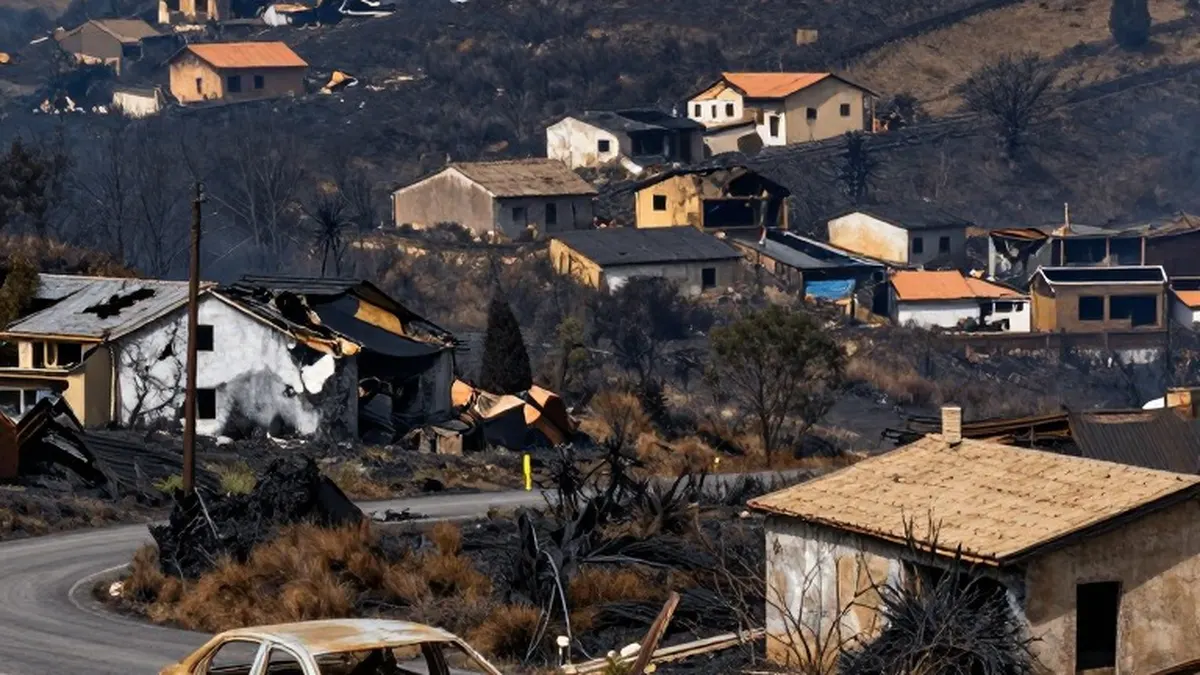
He also described hearing people compare kerosene and wood-burning heaters as they prepared for possible destruction of infrastructure. Alborz viewed such preparations as adaptation forced by circumstances. Unlike those anticipating renewed fighting, people around him generally felt another full-scale war had become less likely after developments involving the US election and Israel, although uncertainty remained.
Noor, 24, from Karaj, spent three weeks imprisoned after joining protests in January. She said her arrest during the war showed that the authorities’ machinery of repression could operate even under bombardment. While she considered predictions about Iran’s future impossible, she expected that repression to continue.
Moein, a medic in central Iran, said the US and western countries underestimated the Islamic Revolutionary Guard Corps, particularly its strategic capabilities and the loyalty of its members. He acknowledged having underestimated it himself, but expressed bitterness that a state capable of withstanding sanctions and military confrontation also used its power against its own population. His expectations of a response from European leaders were diminishing.