While much attention this election cycle focuses on competitive races that could determine congressional control, these districts represent only a small portion of the total. Approximately 80% of congressional races are rated as solidly Republican or solidly Democrat. Candidates running against the prevailing political grain face significant hurdles, including limited resources, fewer donors, and small staffs.
Lisa Kinney, a Democrat running for the sole House seat in Wyoming, has faced these challenges firsthand. The state has sent only Republicans to Congress since the late 1970s. Kinney argues that Wyoming residents often do not hear both sides of the political debate. She describes herself as a moderate Wyomingite who wants to offer a different perspective, despite an opponent's advertisement placing her alongside progressive figures like Bernie Sanders and Zohran Mamdani.
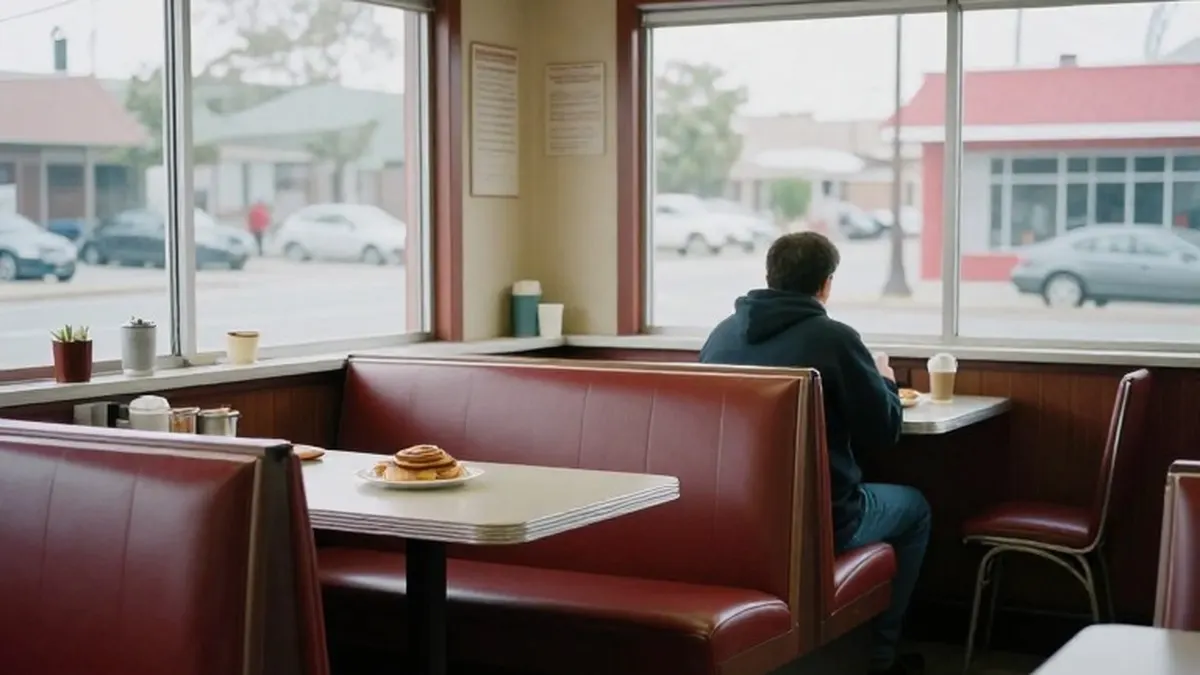
Kinney’s campaign involves extensive travel across the state with a small team of helpers. As a former state senator, she lacks a traditional campaign office. In Casper, she spends time in local diners talking to voters. While some residents are polite but hesitant, others are more direct about their skepticism. One independent voter, Joe Beck, admitted he had already voted for her but warned her of the uphill battle in what he called the reddest state in the nation.
Kinney believes her presence in Congress would allow for moderate dialogue between parties. Her husband, Rodney Lang, noted that even a loss would strengthen the party’s infrastructure. Kinney identifies as a realist who knows many voters will choose the candidate with an R next to their name, yet she maintains that she can still win.
Two thousand miles away, George Austin, a Republican running in Connecticut’s second congressional district, shares a similar experience. Austin, a home builder and former football coach, is fighting for a seat in a district where the Democratic incumbent has won reelection easily for two decades. Democrats in Connecticut have won 45 consecutive U.S. House elections since 2008.
Austin feels a kinship with Kinney, noting that they are both political minorities in their respective states. He argues that the lack of variety in representation is a significant issue. Austin points to the high number of uncontested races in the state legislature as a reason for his run, hoping to serve as a catalyst for other working citizens to enter politics. He has personally invested a quarter of a million dollars into his campaign, wearing multiple hats from scheduling to volunteer coordination.
Eric Ostermeier, founder of the nonpartisan political news site Smart Politics, explains that deep partisan entrenchment is a complex phenomenon. He notes that 19 state delegations are currently comprised of representatives and senators from the same party, a high watermark not seen since 1953. While gerrymandering plays a role, voters also sort themselves geographically, making it difficult for state partisans to distinguish themselves from the national party identity.
Austin has found that some voters disengage quickly when they learn he is a Republican, often citing President Trump. He tries to steer conversations toward issues like congressional gridlock, term limits, and AI regulation. He emphasizes that running in such races requires the right motivation because the financial and emotional toll is significant.
Despite the stacked odds, Austin does not consider his race a lost cause. He believes that even if the probability of winning is low, lost causes are often the ones worth fighting for. Both candidates illustrate the broader trend of partisan sorting and the personal sacrifices involved in challenging the political status quo.