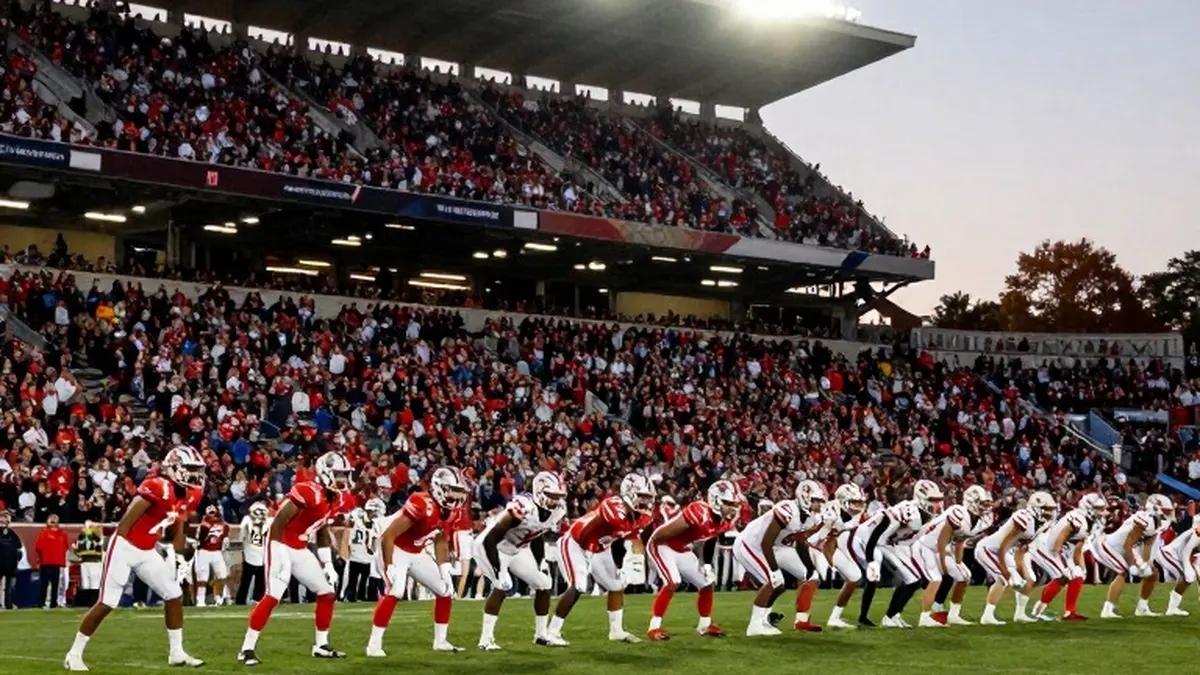
College football fans have spent nearly two decades attempting to recapture the spirit of the 2007 season, a year widely regarded as the pinnacle of chaos in the sport. As the 2026 season progresses, early indicators suggest a similar atmosphere, with underdog victories and ranking fluctuations creating a narrative of unpredictability. However, a detailed analysis using a 50-point scoring system indicates that while 2026 is keeping pace in several areas, it has not yet fully matched the historic benchmark set by 2007.
The most defining feature of 2007 was the instability of the top two rankings, a metric where 2026 has performed well. In the current season, the hierarchy was initially stable with LSU and USC holding the top spots. That changed after Stanford upset USC as a 40.5-point underdog, triggering a streak of losses for top-ranked teams. From weeks six through 14, 11 teams ranked in the top two lost, with eight of those defeats occurring while the teams were considered favorites.
In 2026, similar turbulence has emerged, particularly since week six. Five top-two teams have lost in the last four weeks, all as favorites of at least 6.5 points. Georgia’s defeat to Auburn as a 19.5-point favorite stands out as the most significant surprise. Earlier in the season, Oregon fell from the No. 2 spot after a mediocre performance against Boise State, and Texas defeated Ohio State in week two, adding to the initial shake-up.
The 2026 season has also featured unexpected teams rising to prominence. Three teams that were unranked in the preseason have entered the AP top 10: Florida, UCLA, and Kentucky. While Florida’s appearance was brief, UCLA remains undefeated, and Kentucky is a top-10 team for the first time in 49 years. This mirrors the 2007 season, where ten unranked teams, including Rutgers, South Florida, and Boston College, made top-10 appearances, creating a sense of infinite possibility for non-blue-blood programs.
Quarterback injuries have also played a significant role in both seasons, contributing to the chaos. In 2026, preseason No. 2 Oregon is 2-2 since Dante Moore suffered a likely season-ending concussion. Ohio State lost Julian Sayin late in a win over Indiana and subsequently lost a start by replacement Luke Fahey. These injuries have served as a major subplot, affecting team performance and potentially influencing upset results.
The narrative of cult heroes is another key component. While 2026 has produced interesting stories, such as the rise of Ohio State’s Jeremiah Smith and Oregon State’s Jesse Legree, the depth of underdog mythology from 2007 remains unmatched. That year featured figures like Pat White, Chase Daniel, and Colt Brennan, whose stories became legendary due to their improbable paths to success.
Coaching eccentricity also scored high in the comparison. Indiana head coach Curt Cignetti has been identified as the most similar figure to 2007’s Les Miles. Cignetti’s sideline demeanor and a recent clock management error in a win over Minnesota, which was saved by a 60-yard field goal, drew parallels to the chaotic style of Miles, who famously led LSU to a championship despite significant on-field mismanagement.
The 2026 season currently stands at a score of approximately 33 out of 50 on the 2007 chaos scale. While this is the closest any season has come in nearly two decades, the current CFP rankings suggest that the most likely outcome remains a contest between established powerhouses. The 2007 season, by contrast, would have benefited from a 12-team playoff, allowing more of the top-performing upsets to compete for the title. For now, 2026 offers a compelling, though incomplete, echo of the most chaotic year in college football history.