Hopes that Microsoft might unveil Windows 12 during its RTX Spark launch event last month went unfulfilled, and every sign now suggests the company intends to stay the course with Windows 11 rather than introduce a new version of its desktop operating system.
Much of this year's Windows development has centered on performance improvements under the hood, after Microsoft acknowledged bloat and reliability problems in Windows 11 and drew up a plan to fix them. Sources familiar with the company's plans say quality is now a major focus for the next big Windows 11 release in 2027.
Microsoft began planning a return to a three-year release cycle for Windows in 2022, with the first major release landing in 2024. Many expected that version to carry the Windows 12 name, but the company shipped a large Windows 11 update instead. With the three-year cycle coming around again, Microsoft appears committed to improving Windows 11 rather than folding new features and underlying changes into a Windows 12 launch.
Sources say Microsoft is already preparing Windows 11 version 27H2. Like the 24H2 release in 2024, it will be a full operating system swap in which major parts of the OS are replaced or upgraded. The 25H2 and 26H2 updates, by contrast, were enablement packages that gradually switched on features delivered through monthly cumulative updates.
Because 27H2 is a larger release, the new features and changes planned for next year will require more testing. Windows Insider testing is expected to begin well ahead of the June timeframe Microsoft used for both 25H2 and 26H2.
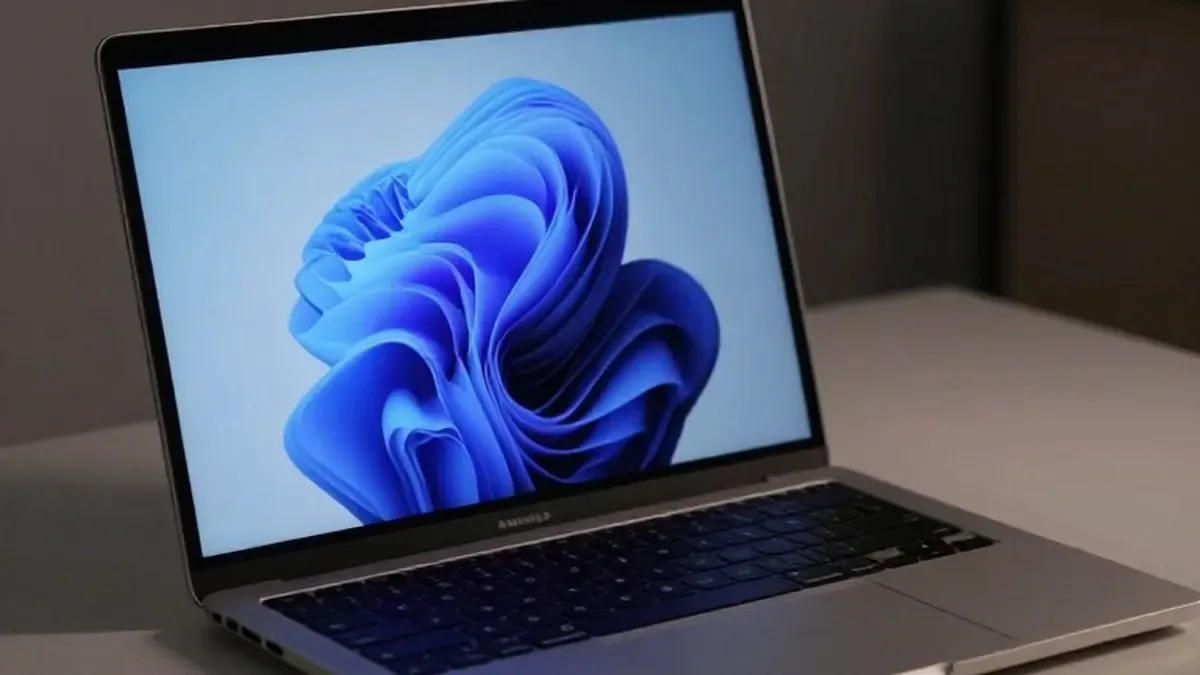
Microsoft is also refreshing the operating system's default wallpaper. Sources say a new design will be unveiled at the company's Ignite conference later this month, replacing Bloom, the image Microsoft leaned on heavily during the Windows 11 launch, from Bloomberry ice cream to the famous Times Square screens. The replacement designs are similar to Bloom, showing a folding sheet of color immersed in clouds, and will vary across consumer and commercial editions. The Windows 11 Pro version stays closest to the Bloom palette, while consumer variants carry subtle differences focused on gaming, productivity, creator and performance themes. Microsoft has quietly used some of the new designs in recent Windows 11 marketing and plans to preview the full replacement at Ignite before rolling it out broadly in early January.
Whether Microsoft will consider moving to Windows 12 branding next year, or whether that remains years away, is still an open question. The company seems set on repairing Windows 11's reputation, a difficult task when many users have already made up their minds.
The performance work has not convinced everyone yet. Microsoft showed off more of its memory optimization efforts earlier this week, aimed at improving performance and multitasking on PCs with 8GB of RAM. "Windows can now keep up to 2 GB more of your active data in memory instead of moving it to slower storage, so an app or tab you left open is less likely to reload when you return," said Windows chief Pavan Davuluri.
Windows Central tested Microsoft's claims and found that the latest Windows 11 updates do improve memory usage, with less data paged to disk helping particularly when multitasking on machines with only 8GB of RAM. Microsoft is also cutting memory use in apps such as Word, PowerPoint, Excel and Outlook. Still, the changes are hard to notice without comparing two systems side by side, and the company faces a perception problem with Windows 11 that steady, incremental improvements alone may not overcome.