Millennial parents are increasingly drawn to children's products that blend childhood memories with modern design, a trend that has significantly impacted the current holiday shopping season. This demographic often seeks items that provide a sense of stability and comfort, turning familiar brands into elevated gifts for their children. The appeal lies in sharing personal cultural touchstones with the next generation, but with a more sophisticated aesthetic that fits contemporary home decor.
Jason Dorsey, president of The Center for Generational Kinetics, notes that millennials are raising children in times that can feel unstable. He explains that nostalgia offers safety, comfort, and a strong sense of connection. Jess Marinelli, founder of White Oak Design House, adds that these parents want to share the characters and toys they loved, but with a design-conscious approach that feels elevated rather than just nostalgic.
The market has responded with a wide range of collaborations, from affordable stocking stuffers to high-end nursery furniture. Many of these items are limited editions, which has created a sense of urgency for shoppers who need to order early to secure them for the holidays. Experts recommend selecting pieces that offer long-term utility, ensuring the items remain relevant as the child grows.
In the apparel category, the collaboration between Sergio Hudson and OshKosh B'gosh has gained attention. This partnership offers classic Vestbak overalls and hickory stripes in sizes ranging from 12 months to 14 years. While the collection provides a polished twist on familiar staples, parents are advised to size up, as the denim runs small. This allows the clothing to be passed down among siblings, extending its life and value.
Character-based collaborations also remain popular, with Paddington Bear featuring in a collection that balances subtle character references with high-quality, substantial fabrics. Sizes range from baby to 12, making it easy for families to coordinate outfits for holiday photos. For those who prefer a different vintage feel, Janie and Jack offers a Peanuts collection featuring varsity-inspired sweaters and jackets, capturing a similar nostalgic essence.
The nursery and gear segment features several high-profile partnerships. Stella McCartney has collaborated on the Butterfly travel stroller, adding a canopy inspired by her Falabella bag. This version maintains the original's one-second fold while incorporating bio-based materials and recycled aluminum. Dorsey describes such purchases as strategic style spending, where parents save on everyday items to invest in durable, high-quality gear that lasts for years.
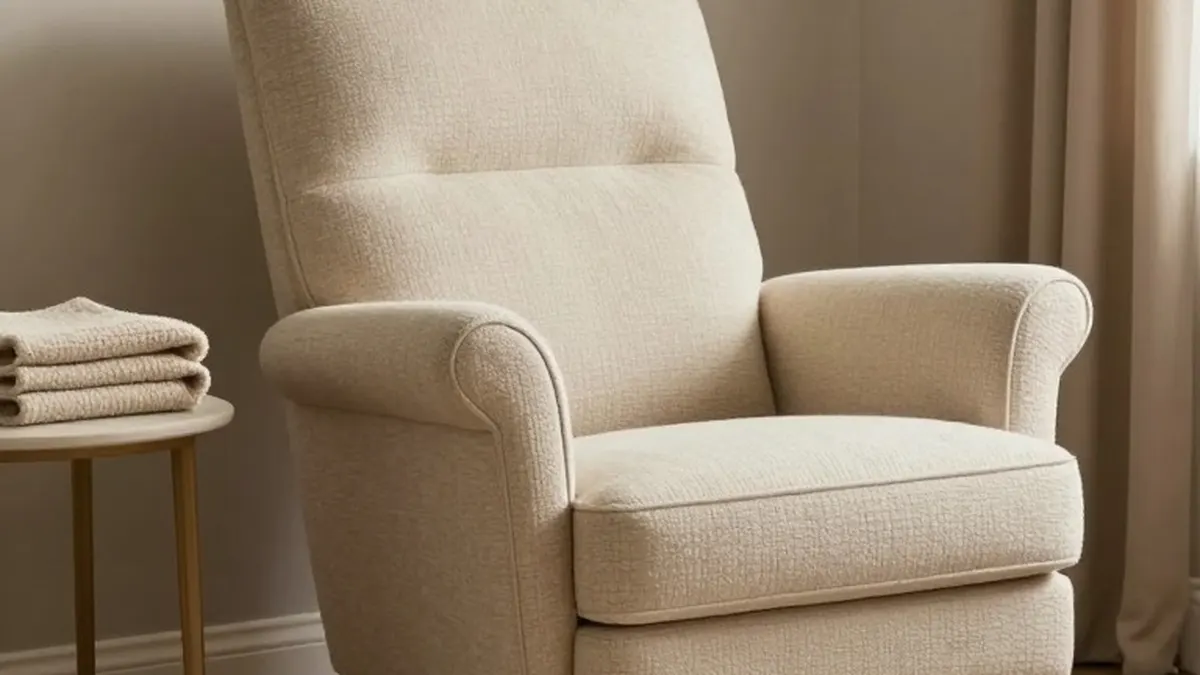
Furniture collaborations are also seeing strong interest. Nate Berkus has designed a glider with a sculptural shape and textured upholstery that fits well in both nurseries and living rooms. It features a quiet power recline, a USB port, and water-repellent fabric. Similarly, Zoë Feldman's collaboration with Nestig brings painterly florals and Delft blue accents to nursery textiles, including a Dawn ottoman that is designed to move into other rooms as the child grows.
Other notable items include the MoMA edition of the Tripp Trapp chair, which has been a staple since 1972. This version features reversible plates in orange, red, pink, and blue, offering multiple color combinations. The chair is made from FSC-certified solid beech and adjusts as the child develops. Additionally, Artipoppe has released limited-edition baby carriers, the Halo and Clash, which incorporate couture details like corsetry-inspired lace and appliquéd florals on organic cotton.
Shoppers should be aware of delivery timelines for made-to-order items. Some nursery pieces have estimated delivery dates ranging from December 21 to January 1, which may miss key holiday dates like Christmas or Hanukkah. To mitigate this, retailers suggest including a small fabric swatch in a card as a symbolic gift until the larger item arrives. This approach allows parents to begin enjoying the aesthetic of the piece while waiting for the full delivery.
The trend reflects a broader shift in how parents approach child-rearing and consumerism. By investing in items that blend heritage with modern design, millennial parents are creating a curated environment for their children. These products serve not just as functional items, but as markers of identity and connection, bridging the gap between the parent's past and the child's future.