Hispanic voters may prove decisive in the U.S. midterm elections on Nov. 3. While many Americans have grown more entrenched in their party loyalties during the Donald Trump era, the country's large and growing Latino community has resisted that pattern, making it a prized target for both major parties.
About 39 million Hispanic Americans are eligible to vote. They moved toward Trump in record numbers in 2024, and exit polls show his share of the group rose in each election since 2016, reaching the highest level ever recorded for a Republican presidential candidate. Now, discontent with his performance as president could carry over to the ballot box and help Democrats win control of Congress.
Javier Palomarez, president and CEO of the U.S. Hispanic Business Council, calls Latinos the most unpredictable voters in the country. "We are a community that doesn't vote party, it votes person," he told CBC News. He said Republicans often back Democrats within the community, and the reverse is also true.
The issues that helped Trump in 2024, lowering living costs and tightening border security, may now work against his party. Some Hispanic voters point to the war with Iran, which they say sharply raised gas and diesel prices nationwide. Others object to a major expansion of detentions targeting undocumented Hispanics who have lived law-abiding lives in the U.S. for years, despite Trump's pledge to focus on violent criminals.
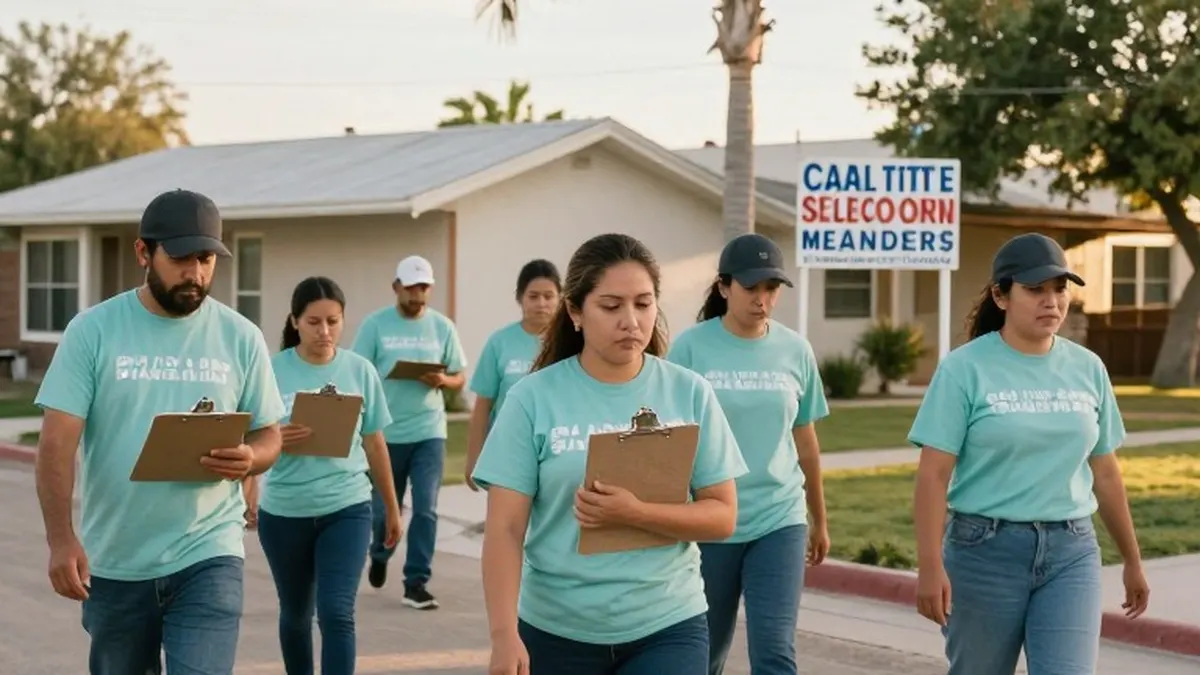
In Texas's Rio Grande Valley, that frustration is easy to find. Jose Ferrer, a 24-year-old canvasser with the activist group LUPE Votes in Edinburg, said his stepfather was detained by Immigration and Customs Enforcement on Father's Day this year. The family found his truck abandoned by the road and heard nothing for two weeks. He was deported to Mexico two months later.
The anger crosses economic lines. Mario Guerrero, a developer in Pharr who voted for Trump three times because he saw him as a successful businessman, plans to vote Democratic this time. He described enforcement in south Texas as "brutal" and said raids have frightened workers away from job sites, slowing construction to a crawl. He said all his workers are documented, yet people with proper papers are being taken. He predicted a Mexican American turnout "like they've never seen before."
Analysts caution against treating Hispanic voters as a single bloc. Pew Research Center data show they make up one-sixth of eligible voters, more than Black Americans, and include devout Catholics, fiscally conservative entrepreneurs, working-class naturalized citizens and college-educated families settled for generations. Dayana Iza of Mi Familia Vota said the data repeatedly show Latino voters cannot be placed in one category.
Álvaro Corral, a political scientist at the University of Texas Rio Grande Valley, said neither party reflects the typical Hispanic view on immigration, which pairs strong measures against criminals crossing the border with a path to citizenship for long-time workers. He said the Trump approach is offending the "sensibilities and morality" of many Latino voters. Palomarez, meanwhile, argued Democrats took Hispanic voters for granted and moved too far left for their liking.
That wariness shows in Democratic campaigns. Bobby Pulido, a Latino recording star challenging Republican Rep. Monica De La Cruz in Texas's 15th congressional district, plays down party labels. His campaign shirts read, "Not Team Red. Not Team Blue. Team You." He says ICE raids that split families and disrupt the economy will cost Republicans, predicting "a very, very big explosion" on Nov. 3.