Negotiating teams from Gadi Eisenkot’s Yashar party and Prime Minister Benjamin Netanyahu’s Likud convened on Sunday to explore the possibility of a unity government. The discussions took place against a backdrop of a growing deadlock in efforts to form a new administration as the 26th Knesset entered its first full week of operations.
Prior to the meeting, Yashar representatives clarified that their sole proposal involved Likud joining a government led by Eisenkot. The party denied reports that it was considering a rotation agreement where Eisenkot would serve first. In a notable shift, reports indicated that Netanyahu had dropped his earlier demand to lead any potential rotation government on Saturday.
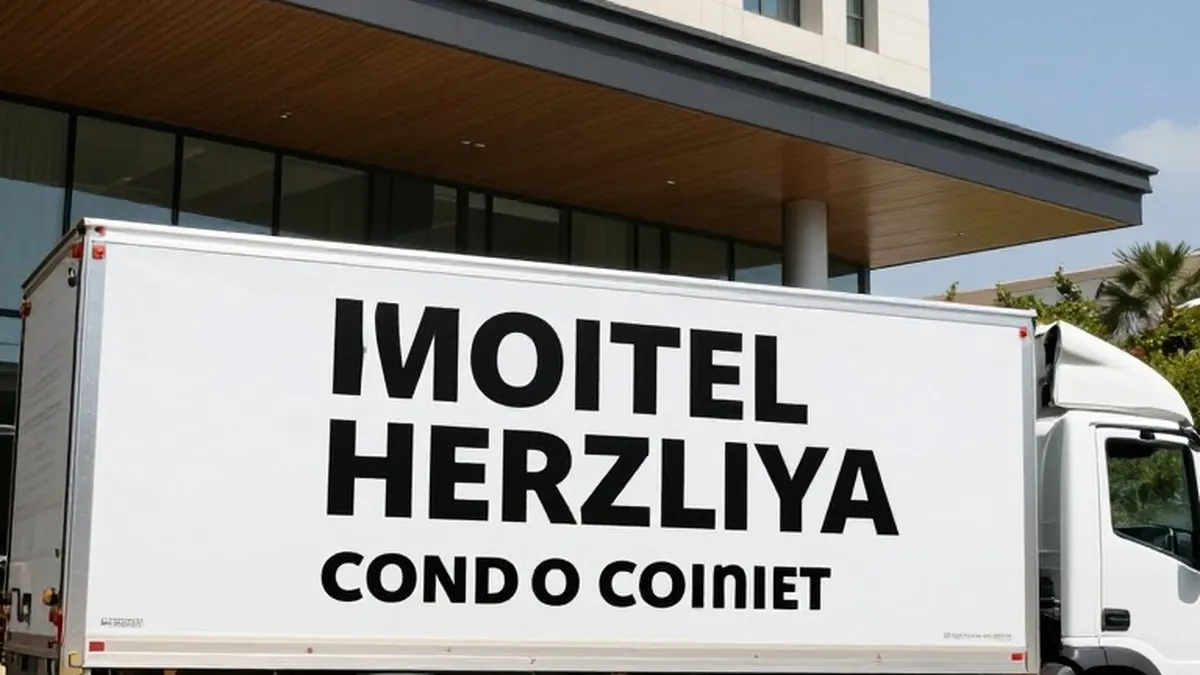
The talks were held at the Dan Accadia Hotel in Herzliya. Yashar was represented by MK Chili Tropper and Yoav Horowitz, while Likud sent faction chair MK Ofir Katz and Michael Rabello. Shalom Shlomo, a confidant of B’Yachad chairman Naftali Bennett, was also present at the discussions.
Eisenkot’s coalition building is advancing in parallel with his bloc’s assertion of control over the Knesset. On Monday, the Yashar-led group plans to install new chairs for the Foreign Affairs and Defense Committee as well as the Finance Committee. These moves mark significant early tests for the bloc following Netanyahu’s loss of majority in the recent election.
A critical vote is scheduled for Tuesday to replace Knesset Speaker Amir Ohana with Yashar MK Matan Kahana. Ohana is a close ally of Netanyahu, making this a pivotal moment for the new leadership. The Eisenkot bloc can secure the necessary votes with support from Arab parties, though backing from the ultra-Orthodox United Torah Judaism party could allow some Joint List and Ra’am lawmakers to abstain.
As early as Wednesday, the bloc intends to begin advancing legislation to reverse the judicial overhaul implemented by the previous government. These laws had increased political influence over the judge appointment committee and weakened the authority of the attorney general. The Democrats party announced an agreement with Yashar to chair the special committee tasked with this repeal.
Yashar has outlined four founding principles for any prospective partner: recognizing Israel as a Jewish and democratic state, accepting the Declaration of Independence, implementing mandatory service for all, and recognizing Hamas as a terrorist organization. The party also stated that partners must separate from extremists, a condition widely interpreted as referring to far-right leader Itamar Ben Gvir.
Despite Eisenkot’s previous insistence that Netanyahu is unfit for office, the current talks may serve to demonstrate a genuine effort to form a unity government. This could set the stage for alternative options, such as a coalition with ultra-Orthodox parties or a minority government supported by Arab-majority factions. Activists outside the hotel displayed a billboard referencing a fable about a scorpion, alluding to Yashar MK Merav Cohen’s recent comments comparing Likud to a creature that stings its carrier.
The ultra-Orthodox United Torah Judaism party remains a key target for Eisenkot, especially after Avigdor Liberman ruled out joining a coalition reliant on Arab parties. Netanyahu is pressing this group to oppose Kahana’s appointment as speaker, creating an early test of their willingness to cooperate with the new bloc. Military exemptions for yeshiva students remain a central point of contention in these ongoing negotiations.