Finnish satellite developer ICEYE announced on Tuesday that it intends to acquire Italian rocket manufacturer Avio in a deal valued at more than $2.2 billion. The strategic move is designed to establish Europe's first true vertically integrated space company, combining satellite operations with launch capabilities under a single corporate umbrella.
The proposal was structured as an all-cash voluntary tender offer directed at Avio's shareholders. The offer is being led by an Italian subsidiary of ICEYE. Avio's current shareholders include Leonardo, the major Italian defense conglomerate. In response to the announcement, Avio stated that its board of directors has acknowledged the notice and is currently evaluating the purchase offer.
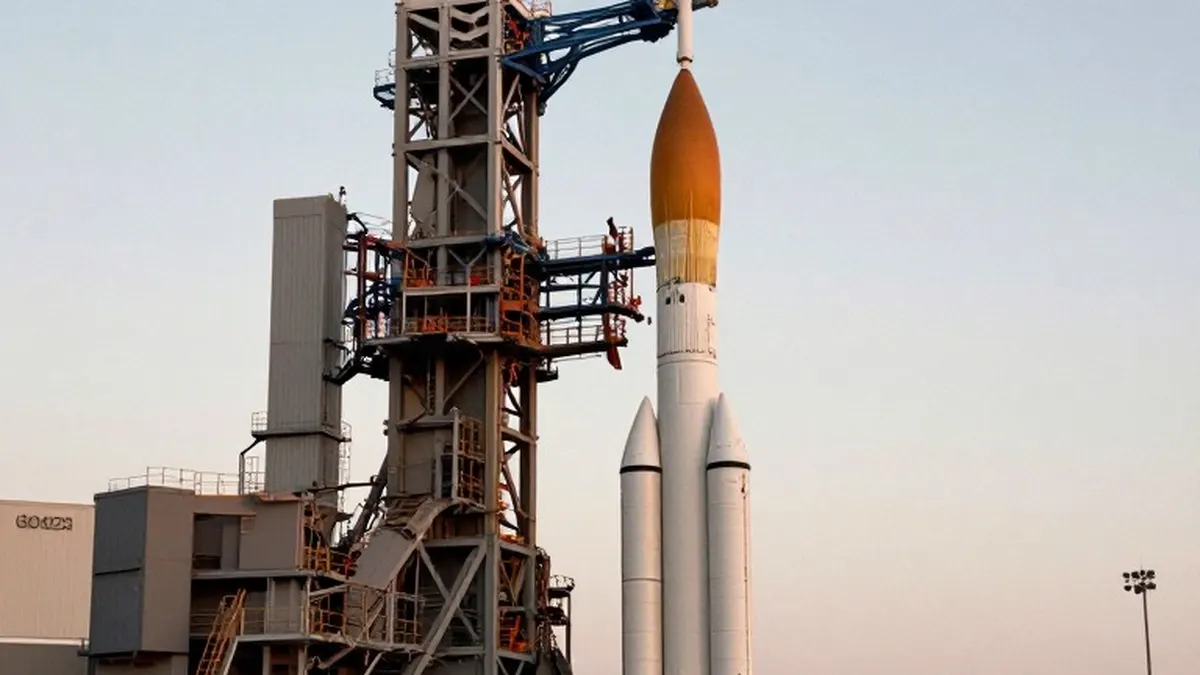
Avio is known for developing the Vega C rocket, a solid-fueled launcher capable of delivering up to 3.3 metric tons, or 7,300 pounds, of payload to low-Earth orbit. Since 2022, the Vega C has completed seven successful flights out of eight attempts. This vehicle serves as a successor to the earlier Vega rocket, which achieved a record of 20 successes out of 22 launches following its debut in 2012.
ICEYE is widely regarded as the most successful space startup in Europe. A recent report from the Organization for Economic Cooperation and Development noted that European startups often face significant hurdles, including limited access to private capital, regulatory barriers, and fragmented markets. Despite these challenges, ICEYE’s valuation has grown to over $12 billion following its most recent fundraising round in June.
In a public statement, ICEYE emphasized that the partnership is driven by the need to secure sovereign space and defense capabilities for the continent. The company manufactures and operates its own radar surveillance satellites, selling data to both commercial clients and national governments. Ukraine is a notable customer, utilizing ICEYE imagery to track Russian troop movements and support targeting operations.
Rafal Modrzewski, CEO and co-founder of ICEYE, highlighted the strategic importance of the acquisition. He stated that governments require control over their critical space infrastructure, a need that is particularly acute in Europe. Modrzewski noted that Avio has developed the launch and propulsion systems that Europe currently relies on.
Modrzewski explained that with ICEYE's long-term capital support, the combined entity can integrate the supply chain and increase production output. This integration aims to strengthen the European programs that already depend on Avio's technology. The goal is to build, launch, and operate sovereign space systems end-to-end, creating products made in Europe for governments worldwide.
The proposed transaction represents a significant shift in the European space industry landscape. By merging a leading satellite operator with a primary rocket manufacturer, the new entity would control the entire value chain from launch to data delivery. This vertical integration is expected to reduce dependency on external partners and enhance the continent's strategic autonomy in space.
The deal, if approved, would position the combined company as a major player in the global space market. It addresses the specific concerns of European nations regarding the security and reliability of their space assets. The acquisition underscores a growing trend among space companies to consolidate operations and achieve greater self-sufficiency in a competitive and strategically sensitive sector.
Avio's board will now deliberate on the offer, with shareholders ultimately deciding whether to accept the cash tender. The outcome of this negotiation will determine the future structure of one of Europe's most critical space infrastructure providers. The move signals a new era of consolidation and strategic planning in the European aerospace industry.