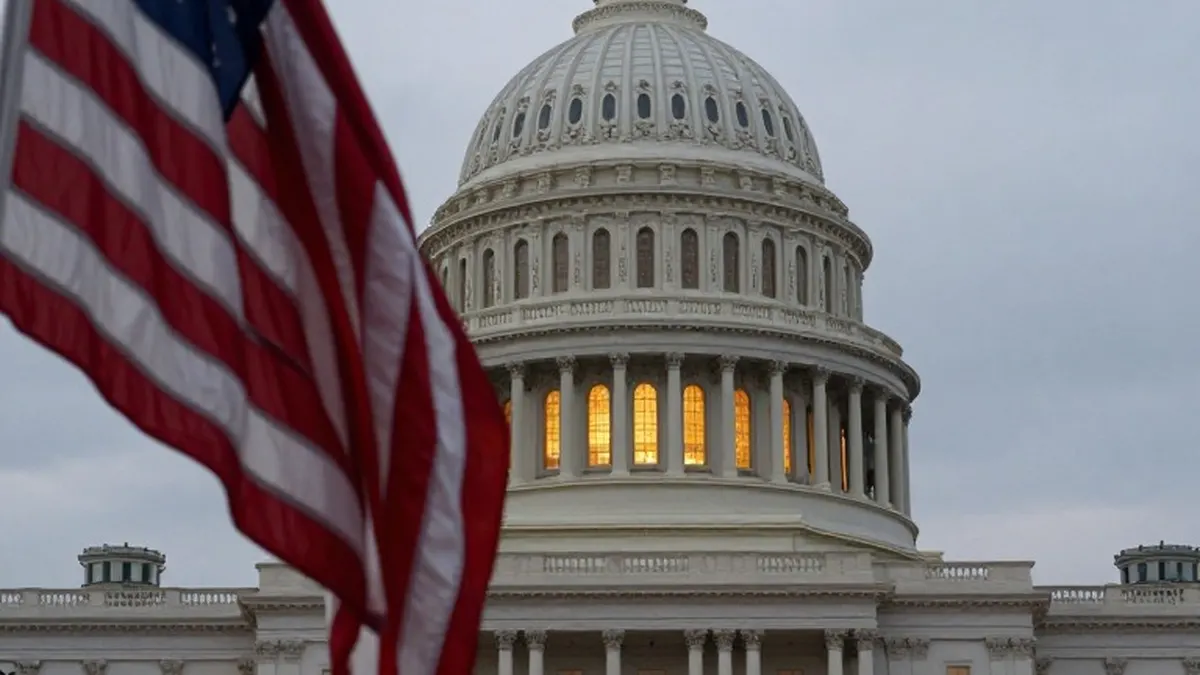
Following a recent electoral shift that resulted in a Democratic majority in both the Senate and the House of Representatives, many investors are reassessing their financial strategies. This change in power represents a significant check on President Donald Trump's administration and has prompted questions regarding the future of the American economy. Concerns include the potential for higher taxes, increased regulation, and the possibility that the current presidential agenda may be curtailed. For investors with assets in the United States, particularly those from Israel, there is a growing temptation to repatriate funds.
Financial advisor Aaron Katsman suggests taking a measured approach to these developments. He notes that while politics influence taxation, trade, and business conditions, they should not be confused with permanent changes in the economic landscape. The United States remains a global leader in entrepreneurship, research, and creativity, supported by a population of over 340 million people who continue to work, consume, and innovate regardless of the political balance in Washington.
The new political reality means that President Trump will face an opposition-controlled legislature for the final two years of his term. Democrats will control congressional committees and have the power to investigate the administration and block legislative proposals. However, the president retains veto power and significant executive authority. This setup is likely to lead to political confrontation and legislative gridlock, a state of affairs that Katsman argues can be beneficial for the economy by providing stability and limiting government interference.
Historical data supports the view that markets perform well under various political configurations. According to J.P. Morgan Asset Management, the S&P 500 has generated average annual returns of 9.4% under a Republican president with a divided Congress. The key takeaway is that markets have consistently grown under different combinations of political leadership, indicating that economic fundamentals are more critical than party control.
Economic growth, corporate earnings, interest rates, inflation, and valuations are far better indicators of future market performance than congressional makeup. A Democratic-controlled Congress may prioritize spending on healthcare, infrastructure, and renewable energy, which could create opportunities for companies in those sectors. Conversely, policies focused on tariffs, energy, and deregulation may face greater resistance.
Tax policy remains a focal point, with Democrats historically advocating for higher taxes on wealthy individuals and corporations. Investors are watching for proposals related to wealth taxes, capital gains, and corporate taxation. However, passing significant legislation will be challenging due to the president's veto power and the procedural obstacles inherent in a divided government.
Experts advise against panic selling in response to political news. The stock market has weathered wars, crises, and recessions, and long-term ownership of productive businesses remains an effective way to build wealth. Investors should focus on buying quality investments, diversifying portfolios, and keeping costs reasonable. Market declines may even provide opportunities to add to holdings at lower prices for those with sufficient cash reserves.
Portfolios should be structured around personal financial needs rather than political headlines. As Warren Buffett famously noted, he buys on the assumption that the market could close for five years. If an investor owns sound businesses and maintains a diversified portfolio, there is no need to change strategy with every political shift. No political party can guarantee retirement savings or financial preparedness for future generations.
The core principles of successful investing remain unchanged: start saving early, spend less than you earn, avoid unnecessary debt, and invest consistently. By building a diversified portfolio that reflects personal circumstances, individuals can take control of their financial futures without waiting for the perfect economic or political environment.
Ultimately, while investors cannot control the actions of Washington, they can control their own saving habits, investment choices, and daily financial decisions. Maintaining a long-term perspective allows individuals to navigate political uncertainty while focusing on their own financial goals.