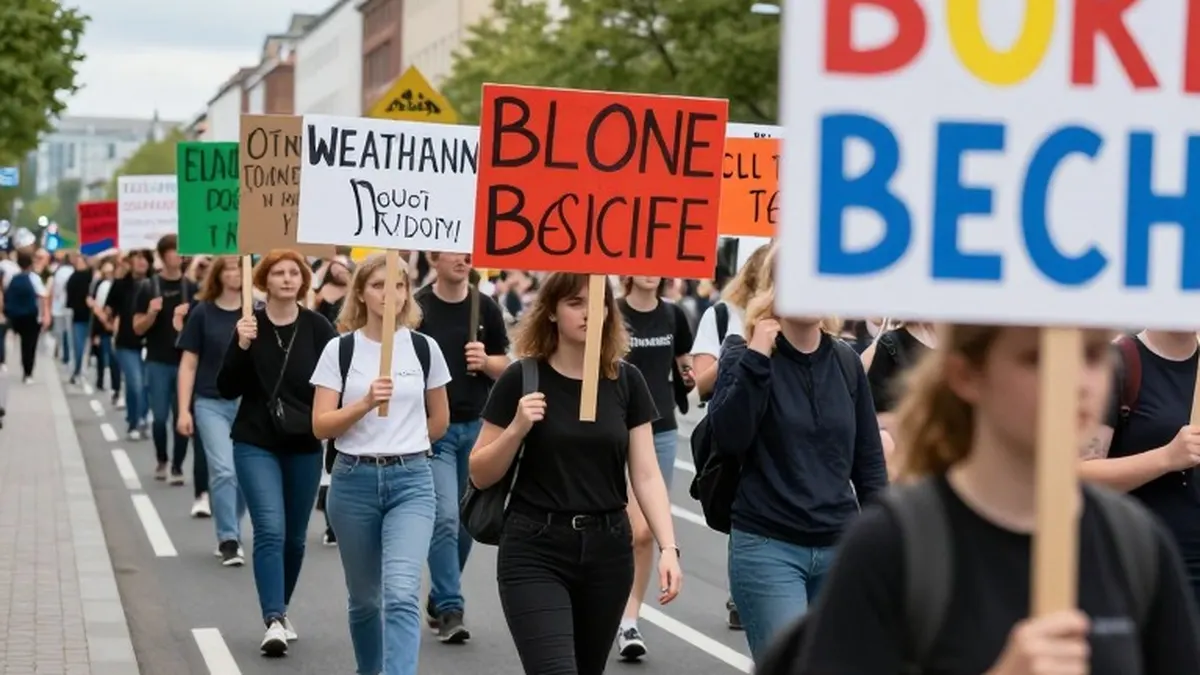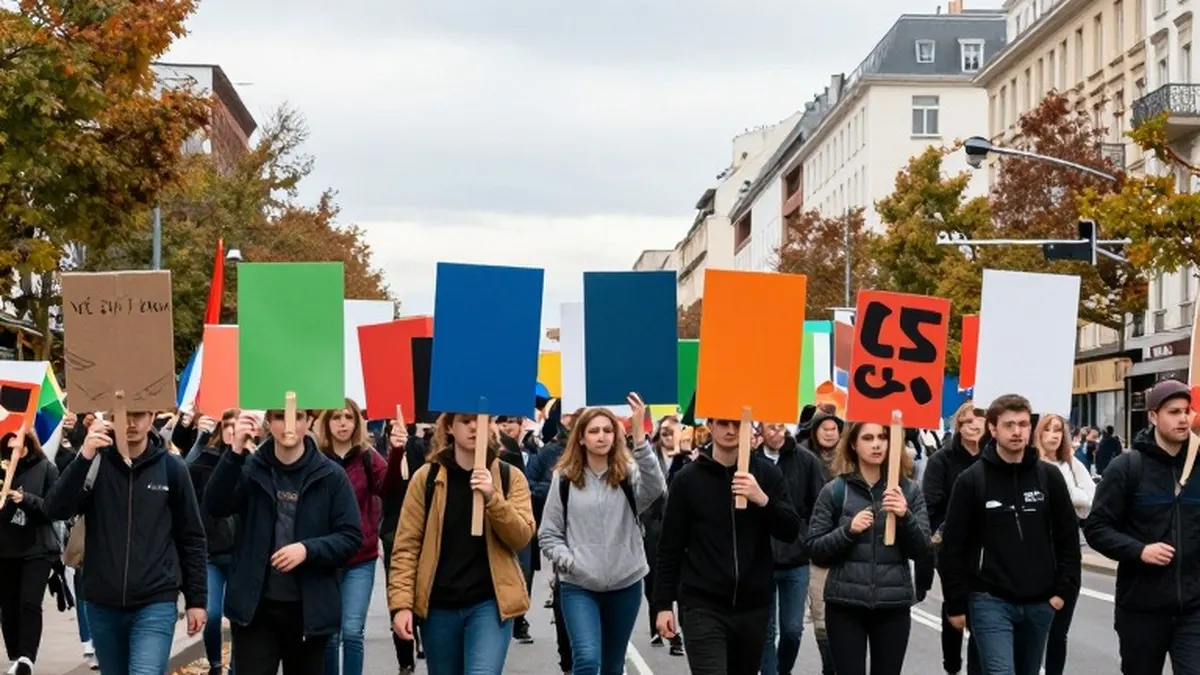
Tens of thousands of workers and students gathered in cities across Italy on Friday for a general strike organized by the country's largest trade union, CGIL. The primary goals of the action were to secure higher wages and to push for increased investment in essential public services. This national mobilization in Italy coincided with a wider wave of youth protests spreading across the European continent.
Similar demonstrations were planned or underway in Germany, France, Britain, Austria, Belgium, and Spain. Participants in these various nations shared common concerns regarding the rising cost of living and the government's direction on military expenditures. The simultaneous nature of the protests highlighted a growing sense of discontent among young people and ordinary citizens throughout the region.
Maurizio Landini, the leader of CGIL, emphasized the pan-European significance of the day. He noted that young people were taking to the streets not only in Italy but in other major European countries as well. Landini argued that the demand for political and economic change is intensifying among the general population across the continent.
In addition to the main CGIL strike, other labor groups, including the grassroots Cobas movement, called for separate strike actions. Student groups also organized demonstrations nationwide, driven by simmering frustration with the policies of Prime Minister Giorgia Meloni's administration. The CGIL strike was set to last for the entire working day and included employees from both the private and public sectors, with significant participation from schools and healthcare facilities.
Transportation services were largely exempt from the general strike to maintain essential mobility. Air and rail links continued to operate, though local public transport faced limited disruptions due to minimum service requirements. However, a distinct rail strike was scheduled to begin at 9 p.m. on Friday and continue until 8 p.m. on Saturday, which would impact travel between the two days.
Addressing a large rally in Rome, Landini claimed that more than one million individuals had participated in demonstrations across over 100 Italian cities. While the Interior Ministry stated that it was too early to release an official headcount, the scale of the event was evident. These protests occur at a critical time, as Italy prepares for a parliamentary election scheduled for 2027.
Friday's actions followed a previous nationwide mobilization on October 30, where thousands of students joined striking workers. At that time, the focus was on securing more funding for education and alleviating the burden of high living and housing costs. Since then, student groups have maintained their pressure through continued protests and occupations of schools and universities, with opposition to rising military spending becoming a prominent slogan.
Laura Peritore, a 24-year-old university student, expressed the frustration of the younger demographic. She described the current government as one that is gradually cutting back on healthcare and education, thereby threatening the present and the future of young people. Peritore stated that the protesters are making it clear that they intend to reclaim their future and will not back down from their demands.
The Italian parliament is currently reviewing the government's proposed budget for 2027, which amounts to 26 billion euros, or roughly 30 billion dollars. CGIL argues that this budget does not do enough to support household incomes or public services. According to the financial newspaper ItaliaOggi, only a small portion of the budget is specifically targeted at citizens under the age of 35.
Industry Minister Adolfo Urso characterized the general strike as a pre-emptive move, noting that Landini had called for the action before the details of the budget were fully known. Urso expressed respect for the demonstrators and those submitting amendments in parliament, suggesting the budget could be improved through the legislative process. The union continues to demand wage increases to offset inflation, full indexation of pensions, and measures to prevent an increase in the retirement age. Landini concluded that the current budget fails to address the basic problems facing people, including the need for working healthcare and schools.