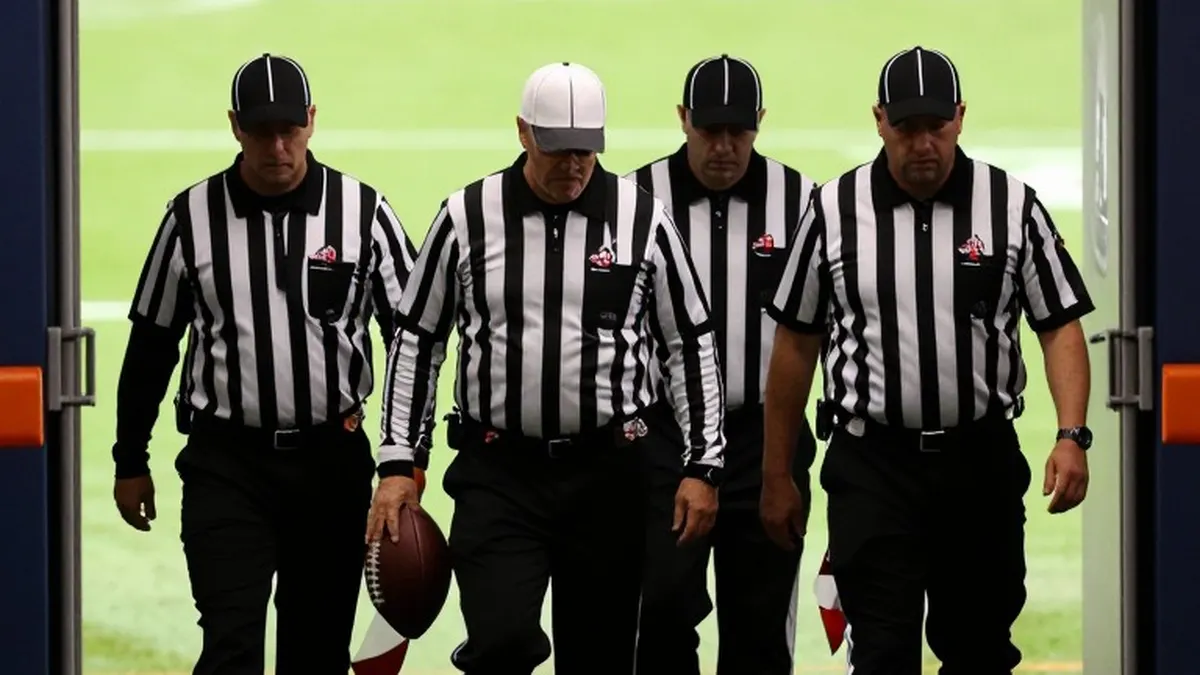
In a rare occurrence for the National Football League, four officials worked two games on Sunday, a scheduling necessity born from a Federal Aviation Administration ground stop. The unusual arrangement required these referees to manage the full duration of two separate contests within a single day, a feat the league hopes will not become a common occurrence.
The disruption began when the FAA issued a ground stop, causing significant confusion and chaos for professional and college teams across the country. The travel restrictions were severe enough that at least one college football game was moved from Saturday to Sunday. To mitigate the impact on the NFL schedule, league officials decided to reassign game crews to stadiums located closer to the referees' residences so they could drive instead of fly.
Don Willard, who typically serves as a side judge, was selected to lead the crew for this demanding schedule. He officiated the afternoon matchup between the Miami Dolphins and the Indianapolis Colts. Approximately an hour before kickoff in Indianapolis, Willard performed the standard microphone check and handled the coin toss, duties usually reserved for the head referee.
After the game in Indianapolis, Willard and three other members of his crew embarked on an 114-mile journey to Cincinnati. They traveled by minibus down Interstate 74 for about two hours to take over the prime-time contest between the Pittsburgh Steelers and the Cincinnati Bengals. The group arrived in Cincinnati at 6:39 p.m., allowing them a brief window to prepare before the 8:20 p.m. kickoff.
The crew for the Steelers and Bengals game consisted of Willard, umpire Terry Killens, field judge Jabir Walker, and side judge Justin Larrew. This was the first time this specific group of officials had worked together, adding another layer of complexity to an already challenging assignment.
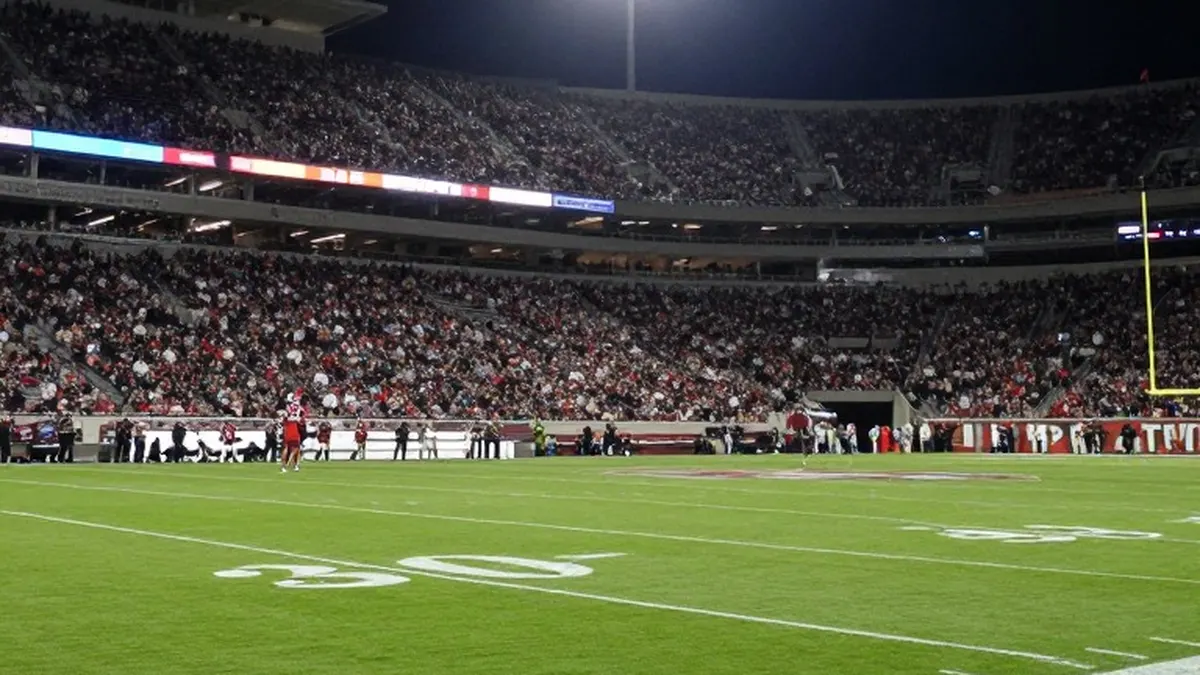
Despite the unconventional circumstances, the crew managed the intense rivalry game effectively. They called only 12 penalties, a number that is on the lower side for a contest known for its physical intensity and frequent flag throws. Two instant replay reversals occurred in the first half. One involved a 23-yard pass to Pittsburgh's Germie Bernard, which was overturned after replay showed his toe was out of bounds. The other reversal involved an interception by Cincinnati's Jordan Battle, which was negated because the ball hit the ground before the catch was completed.
Cincinnati Bengals coach Zac Taylor praised the officials for their performance. He noted that the game was difficult and testy for both sides. Taylor stated that the crew did a great job managing the situation and acknowledged that it had been a long day for the men on the field.
League officials did not make any of the four double-duty referees available to the media for either of the Sunday games. The situation drew attention from industry experts, including Terry McAulay, a rules analyst for NBC Sports and a former Super Bowl referee. During the pregame show, McAulay described the task as extraordinarily challenging, noting that the crew lacked the normal preparation time typically used to study team tendencies and formations.
McAulay emphasized the mental exhaustion associated with officiating a single NFL game, which can last three hours. He explained that the lack of recovery time between two games in one day was a significant hurdle, recalling that his own minimum recovery period was never less than four hours. In contrast to the officials' difficult travel day, the Miami Dolphins did not report any travel issues, according to a team spokesman.