The economy is weighing heavily on Americans as they prepare to vote in Tuesday’s midterm elections. A recent NBC News Decision Desk Poll found it was voters’ most important issue, with a majority expressing deep frustration with President Donald Trump on the economy. Rising household expenses stand alongside gains in stocks and property wealth, creating sharply different experiences across the country.
Workers began Trump’s second term with wages increasing faster than consumer prices. That relationship has reversed since the war with Iran began, with inflation exceeding wage growth for six consecutive months. Bureau of Labor Statistics figures show that consumer prices rose 3.7% in September from a year earlier, compared with a 3% increase in wages.
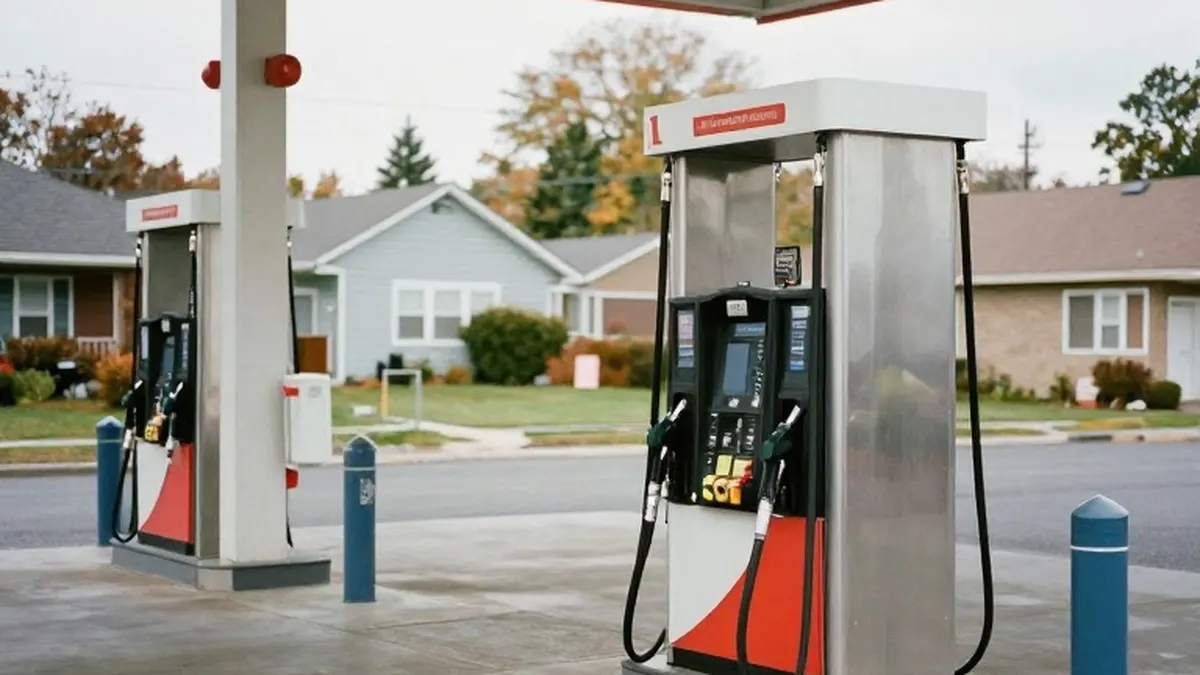
Higher energy costs linked to the Iran war have been a major contributor to inflation. According to AAA, regular gasoline averaged $3.12 a gallon when Trump’s second term began and $2.98 immediately before the conflict. Prices are now substantially above $4 a gallon, the highest level for regular gasoline immediately ahead of an election.
Diesel has become even more expensive, reaching record highs in recent weeks. Its average price increased from $3.63 a gallon at the beginning of Trump’s second term and $3.75 at the outbreak of the war to well above $6. Because trucks, trains and tractors run on diesel, increases in its price typically feed into costs elsewhere in the economy.
Housing finance has also become more costly. Mortgage rates exceeded 7% in January 2025 before declining during the first year of Trump’s second term. Freddie Mac data show that the 30-year fixed mortgage rate dropped below 6% shortly before the Iran war. It has since climbed well above 7%, while the 15-year fixed rate has risen past 6%.
Although mortgage rates above 7% are not unusual historically, their combination with higher home prices is putting purchases beyond the reach of many Americans. Average home prices have increased 57% since January 2020. The National Association of Realtors reported an average single-family home price of $422,700 in September. Meanwhile, Federal Reserve figures put homeowners’ real estate equity above $35 trillion in the second quarter of 2026, more than twice its level a decade earlier. That wealth is not readily available for everyday spending.
Stocks have delivered substantial gains during Trump’s second term, with the S&P 500 advancing more than 26%. The index suffered setbacks after his 2025 tariff announcement and during the opening weeks of the Iran war. More recently, artificial intelligence spending and generally strong corporate earnings have helped carry it to record highs.
Those gains underscore the divide facing voters. Investors have accumulated wealth and homeowners have benefited from rising property values, while millions of Americans continue struggling to cover monthly expenses. The gap between growing assets and the cost of daily life forms a central economic backdrop to Tuesday’s vote.