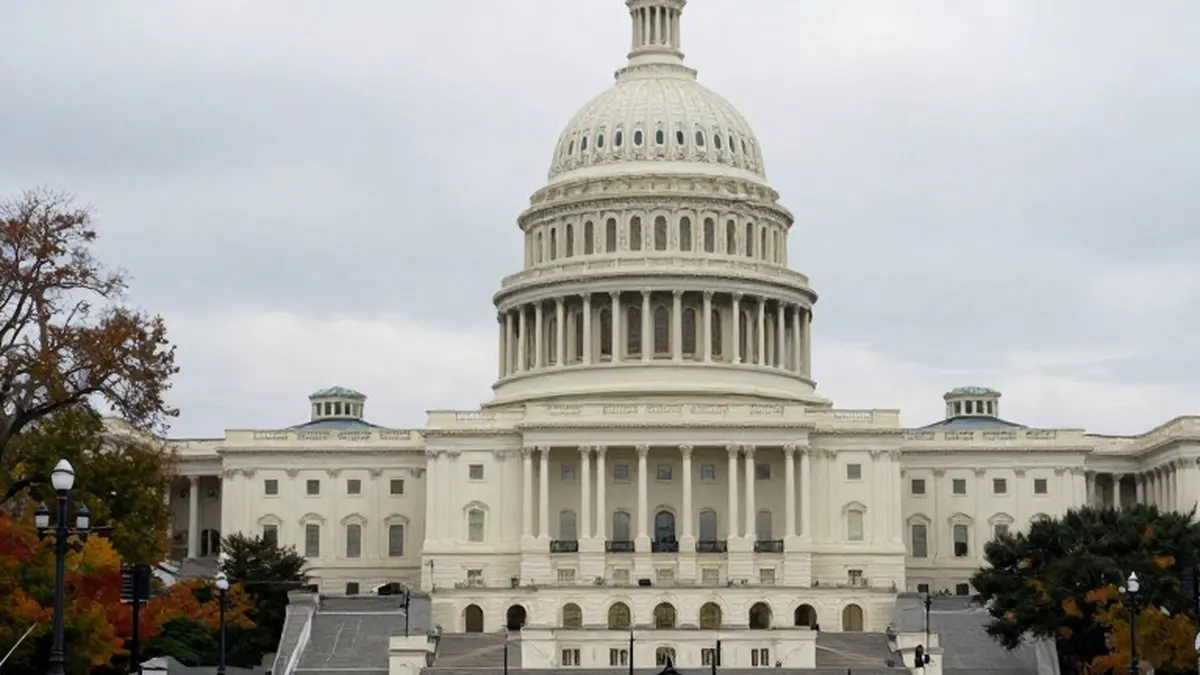
Republicans and Democrats are approaching Tuesday's midterm elections with internal fights looming over their parties' direction. President Donald Trump faces potential losses that could test Republican loyalty to his movement, while Democrats hope for gains despite their own unpopularity and disagreements between establishment leaders and progressives.
The results will help frame the political battles of Trump's final two years in office and the approaching 2028 presidential race. Some Republican candidates have already begun pulling away from the 80-year-old president. Former Republican Sen. John E. Sununu, seeking to regain the New Hampshire Senate seat he lost in 2008, said Trump's departure would leave a substantial vacuum and raised questions about the country's next direction.
Over the past decade, Trump has become the central force holding Republicans together while reshaping the party's priorities. The combination of small government, free trade, conservative social values and assertive foreign policy associated with Ronald Reagan has given way to a more fluid populism. Trump also broadened the party's working-class support, drawing Hispanic, African American and younger voters from groups traditionally associated with Democrats.
Republican strategist David Urban said turnout among those voters would offer clues about the party's future. Disappointment over the economy, war or other issues could keep parts of Trump's coalition home, he said, complicating the search for its next leader. Much of the discussion about 2028 has centered on Vice President JD Vance, the 42-year-old former Ohio senator who became a Trump ally after previously criticizing him.
A poor Republican showing could weaken Vance's presidential prospects and create similar difficulties for Secretary of State Marco Rubio. That could provide opportunities for Texas Sen. Ted Cruz, Florida Gov. Ron DeSantis or former New Jersey Gov. Chris Christie. Christie, a vocal Trump critic who is 64, is considering a comeback.
Democratic officials largely expect favorable results, even if their party falls short of controlling both congressional chambers. A House majority would put Rep. Hakeem Jeffries in position to become the country's first Black House speaker. But progressives seeking major changes in leadership and policy have directed criticism at both Jeffries and Senate Democratic Leader Chuck Schumer.
The Democratic Socialists of America's influence in Congress is expected to expand, with its backed House membership projected to rise from two to at least seven following primary victories by candidates supported by New York Mayor Zohran Mamdani. Michigan Senate candidate Abdul El-Sayed could add another outspoken voice on the left, although he neither identifies as a democratic socialist nor has DSA's endorsement.
Maryland Gov. Wes Moore, a potential Democratic presidential contender seeking reelection next week, declined to directly welcome DSA into the party when asked. Speaking to The Associated Press, he instead emphasized leaders willing to challenge existing practices and deliver results quickly. Former Alexandria Ocasio-Cortez adviser Corbin Trent similarly called for sweeping changes in healthcare, housing and infrastructure, but questioned whether current Democratic leaders could deliver them.
Regardless of Tuesday's outcome, Trump will remain president for another two years. Urban said even significant Republican losses would leave him a powerful presence in the party and its next presidential nomination contest, with influence extending beyond his time in office.